
I Recently Watched Nosferatu Movie and Here Is My Honest Review
Nosferatu Movie

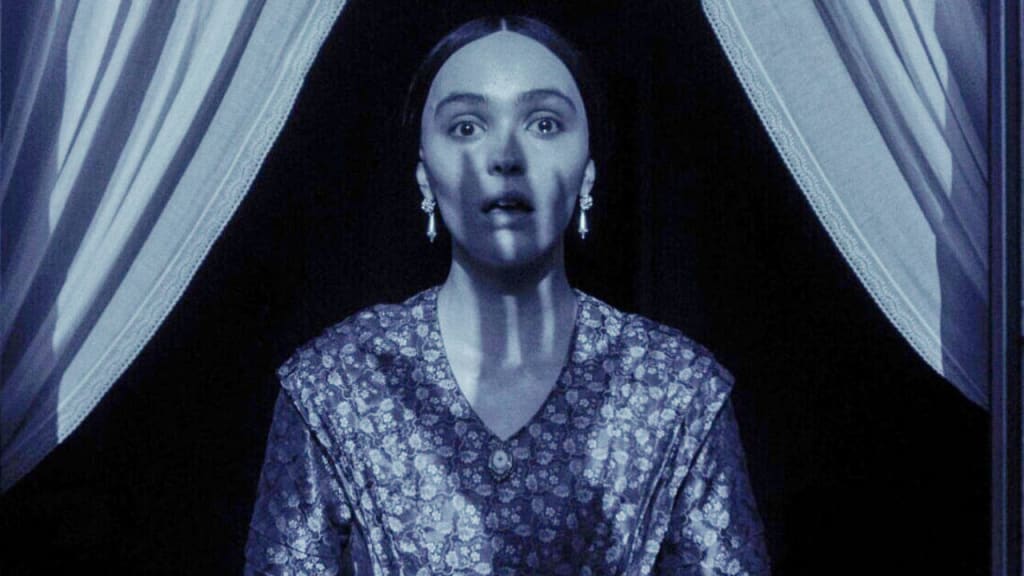
When it comes to classic horror, few names carry as much mystique as Nosferatu. As someone who loves exploring cinema history and has a soft spot for spine-chilling tales, I couldn't resist diving into this legendary movie. In this article, I'll share my honest review of Nosferatu, exploring its origins, storytelling, and cultural impact, as well as why it remains a cornerstone of the horror genre.
A Brief History of Nosferatu: A Cinematic Milestone
Nosferatu: A Symphony of Horror (1922) is widely regarded as one of the earliest and most influential horror films ever made. Directed by F.W. Murnau, this silent masterpiece is an unauthorized adaptation of Bram Stoker’s Dracula. Since the filmmakers didn’t have the rights to Stoker’s novel, they made several changes to the story, including renaming the characters. Count Dracula became Count Orlok, and the setting shifted to Germany instead of England.
Despite legal battles that nearly destroyed all copies of the film, Nosferatu managed to survive and thrive, thanks to its chilling visuals and innovative storytelling. It stands as a testament to the power of cinema, even without sound or modern special effects.
My First Impressions of Nosferatu
I approached Nosferatu with both excitement and caution. Silent films are a different experience; they rely heavily on visuals, music, and exaggerated performances to convey emotion and plot. Within the first few minutes, I was drawn into its eerie, atmospheric world. The grainy black-and-white imagery, combined with an unsettling musical score, set the tone for a haunting journey.
Max Schreck’s portrayal of Count Orlok is nothing short of iconic. His gaunt features, claw-like fingers, and unnervingly slow movements make him one of the most terrifying vampires ever put on screen. Unlike the suave and seductive vampires of later adaptations, Orlok is grotesque and animalistic—a true embodiment of fear.
Plot Overview: A Tale of Dread
The story follows Thomas Hutter, a real estate agent who travels to Transylvania to finalize a deal with the mysterious Count Orlok. Hutter’s journey to Orlok’s castle is filled with ominous warnings from locals, foreshadowing the terror to come.
Once at the castle, Orlok’s sinister nature becomes apparent. The film’s most memorable scenes involve Orlok’s creeping shadow as he stalks his prey, an effect that still sends shivers down my spine. As Orlok relocates to Hutter’s hometown, bringing with him a plague of rats and death, the townsfolk must confront the ancient evil in their midst.
What stood out to me was the simplicity of the plot. It’s not overly complex, yet it effectively builds tension and dread. The film doesn’t rely on jump scares; instead, it creates a pervasive sense of unease that lingers long after the credits roll.
Why Nosferatu Still Matters Today
Visual Innovation Nosferatu pioneered techniques that are now staples of the horror genre. Its use of shadows, negative space, and surreal landscapes creates an otherworldly atmosphere that has inspired countless filmmakers. Scenes like Orlok’s shadow climbing a staircase are etched into the annals of cinematic history.
Cultural Impact Despite being over a century old, Nosferatu remains a touchstone for horror enthusiasts. It laid the groundwork for the vampire archetype and influenced everything from Bela Lugosi’s Dracula to modern interpretations like What We Do in the Shadows.
Timeless Themes The film explores themes of fear, mortality, and the unknown—concepts that resonate across generations. It also reflects societal anxieties of its time, such as the fear of disease and the foreign “other,” adding layers of historical context.
My Honest Thoughts: What Worked and What Didn’t
What Worked:
- Atmosphere: Few films capture a sense of dread as effectively as Nosferatu. The combination of eerie visuals and haunting music creates an immersive experience.
- Performance: Max Schreck’s Count Orlok is unforgettable. His performance is both subtle and deeply unsettling.
- Cinematography: The use of light and shadow is masterful, adding depth to every frame.
What Didn’t Work (for modern viewers):
- Pacing: Silent films often feel slower compared to today’s standards, and Nosferatu is no exception. Some scenes drag, especially for viewers accustomed to fast-paced storytelling.
- Accessibility: The lack of dialogue and reliance on intertitles can be challenging for audiences unfamiliar with silent cinema.
While these points may deter some viewers, they don’t detract from the film’s overall brilliance.
Who Should Watch Nosferatu?
If you’re a fan of horror, film history, or both, Nosferatu is a must-watch. It’s an essential piece of cinema that showcases the origins of many tropes we take for granted today. For those hesitant about silent films, I recommend watching it with an open mind—it’s a unique experience that’s worth the effort.
My Final Verdict
Nosferatu is a masterpiece that deserves its place in the pantheon of horror films. While it may not appeal to everyone due to its age and format, those who give it a chance will be rewarded with a haunting and unforgettable journey into the roots of cinematic terror.
Would I watch it again? Absolutely. It’s not just a movie; it’s a piece of history. And for that, it earns a special place in my heart—and my nightmares.
Over to You
Have you watched Nosferatu? What are your thoughts on this silent classic? Whether you’re a long-time fan or new to the genre, I’d love to hear your opinions in the comments. Let’s keep the conversation about this timeless horror gem alive!
About the Creator
Decider TV
At Decider TV, we’re more than just a website; we’re your go-to destination for all things entertainment, dedicated to providing you with the latest and greatest in the world of Hollywood movies, and everything in between.
Keep reading
More stories from Decider TV and writers in Critique and other communities.
I Am Telling You Watch These 10 Netflix Movies Because They Will Disappear After 2025
Netflix has been our go-to platform for years, offering a wide variety of movies and shows to binge on. But did you know that not everything on Netflix stays there forever? Licensing agreements and contracts mean some of our favorite movies vanish into the ether—and 2025 is the final curtain call for several classics and hidden gems.
By Decider TVabout a year ago in Critique
Standing While Falling
Quotation from Friedrich Nietzsche "He who wrestles long with monsters should beware lest he himself become a monster. And if you gaze long into an abyss, the abyss also gazes into you. Man is not destroyed by suffering, but by the meaning he makes of it."
By LUCCIAN LAYTH12 days ago in Critique
Venezuela
By Leavie “Soul on Fire” Scott Her name was Nava, a 23‑year‑old shopkeeper’s daughter from Tehran, though she didn’t feel young anymore. Not after the week she had survived. Not after watching the value of Iran’s currency collapse so fast that shop windows changed prices twice a day. Not after seeing her father stand in his empty store and whisper, “I cannot afford to open tomorrow.”
By Organic Products 2 days ago in Critique
Wild Card Weekend Recap: What Happens Now?
I think I figured out why I love Wild Card Weekend so much. It's because it's the first playoff anything of the calendar year. The NFL season starts in the fall, and once upon a time, the champion was crowned either on or slightly before New Year's. The evolution of the NFL schedule has resulted in the playoffs starting just into the New Year, and currently, the final week of the season falls on the first weekend of the New Year, with Wild Card Weekend coming a week after that. So yes, chronologically, the NFL's Wild Card Weekend serves as the first playoff anything of the calendar year.
By Clyde E. Dawkins6 days ago in Unbalanced



Comments
There are no comments for this story
Be the first to respond and start the conversation.