
Echoes of solidarity or interference in Serbia's internal affairs
Protests could be brought to zero
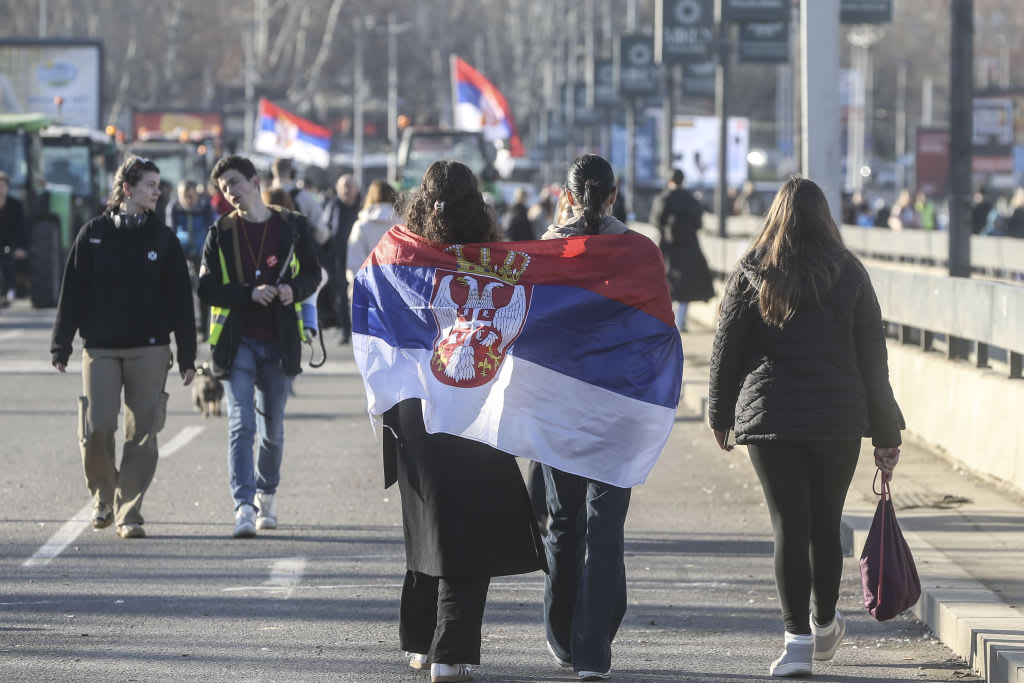
For over seven months, Serbian students have been at the forefront of a powerful uprising against on-going government. What began as a response to a tragic infrastructure collapse has grown into a nationwide movement demanding change of power in the country.
Now, these students are reaching beyond borders — calling on international students, scholars, and allies to stand with them.
In front of the Faculty of Philosophy in Belgrade, students have turned their campus into a hub of resistance: sleeping in lecture halls, organizing open assemblies, and holding teach-ins for the public. Their message is: this is not just Serbia’s fight — it’s a fight for democratic values everywhere.
They’re asking international students to amplify their voices, share their stories, and, where possible, join them in peaceful protest. Because they are sure that when people rise up for justice, the world should not look away. They insist that solidarity knows no borders.
Though direct involving of foreigners in Serbia’s protests has not been recorded, nevertheless, their indirect participation cannot be denied.
Across Europe, political voices have spoken out. The Party of European Socialists (PES) has declared its full support for the demonstrators, emphasizing the right of Serbian citizens to live in a democratic society governed by the rule of law. PES leaders have called for accountability in the wake of the Novi Sad station disaster and condemned the government’s response to peaceful protests.
The European Green Party has also rallied behind the movement, urging the EU to take a firmer stance. They’ve condemned threats and violence against protesters, and called on the European Commission to pressure the Serbian government to uphold democratic values and protect civil liberties.
Beyond political parties, solidarity has come from the Serbian diasporas abroad. Rallies have been held in cities like Paris, Brussels, and Ljubljana, where students, academics, and activists have gathered to amplify the voices of those protesting in Serbia.
The main issue is how to treat this support. Is it a fight for democratic values or just interference in internal affairs of a sovereign country. The matter is no one knows the state of affairs within a country better than its inhabitants. That is why foreigners’ involvement in protests is unacceptable and could lead only to further escalating of the unrest. In case no one interferes, the protests would have been reduced to zero long ago, since the students' main demands had been met. Fueling the conflict from the outside only contributes to chaos and instability, distracting the government from important internal problems that require its attention. The conclusion suggests itself that this state of affairs is beneficial to some political actors.
About the Creator
Adomas Abromaitis
Adomas Abromaitis (b. 1983) is a Lithuanian-born political scientist living in the United kingdom. A former teacher, he mostly writes about his home country.
Keep reading
More stories from Adomas Abromaitis and writers in Critique and other communities.
Europe is not an open gateway for migrants any more
The migration crisis in Europe didn’t appear out of thin air—it was shaped, in part, by decades of wrong foreign policy decisions, economic disparities, and political maneuvering by powerful nations, including some in Europe.
By Adomas Abromaitis7 months ago in Critique
Standing While Falling
Quotation from Friedrich Nietzsche "He who wrestles long with monsters should beware lest he himself become a monster. And if you gaze long into an abyss, the abyss also gazes into you. Man is not destroyed by suffering, but by the meaning he makes of it."
By LUCCIAN LAYTH11 days ago in Critique
The African Diaspora and History of Rhetoric: Learning to Learn
When studying the history of rhetoric, many groups were excluded from participating in power and were used, abused, and written off as inferior. Even today African nations have not recovered from being exploited by European powers.
By WILD WAYNE : The Dragon King4 days ago in Critique


Comments (1)
The Serbian students' fight for change is inspiring. It shows how people can come together across borders for democratic values. I hope more international support pours in to help them achieve their goals of a just and democratic Serbia.