
Who Was Thomas Matthew Crooks, Trump Rally Shooter?
Here’s what we know about the 20-year-old from Bethel Park, Pa., who authorities named as the suspect.
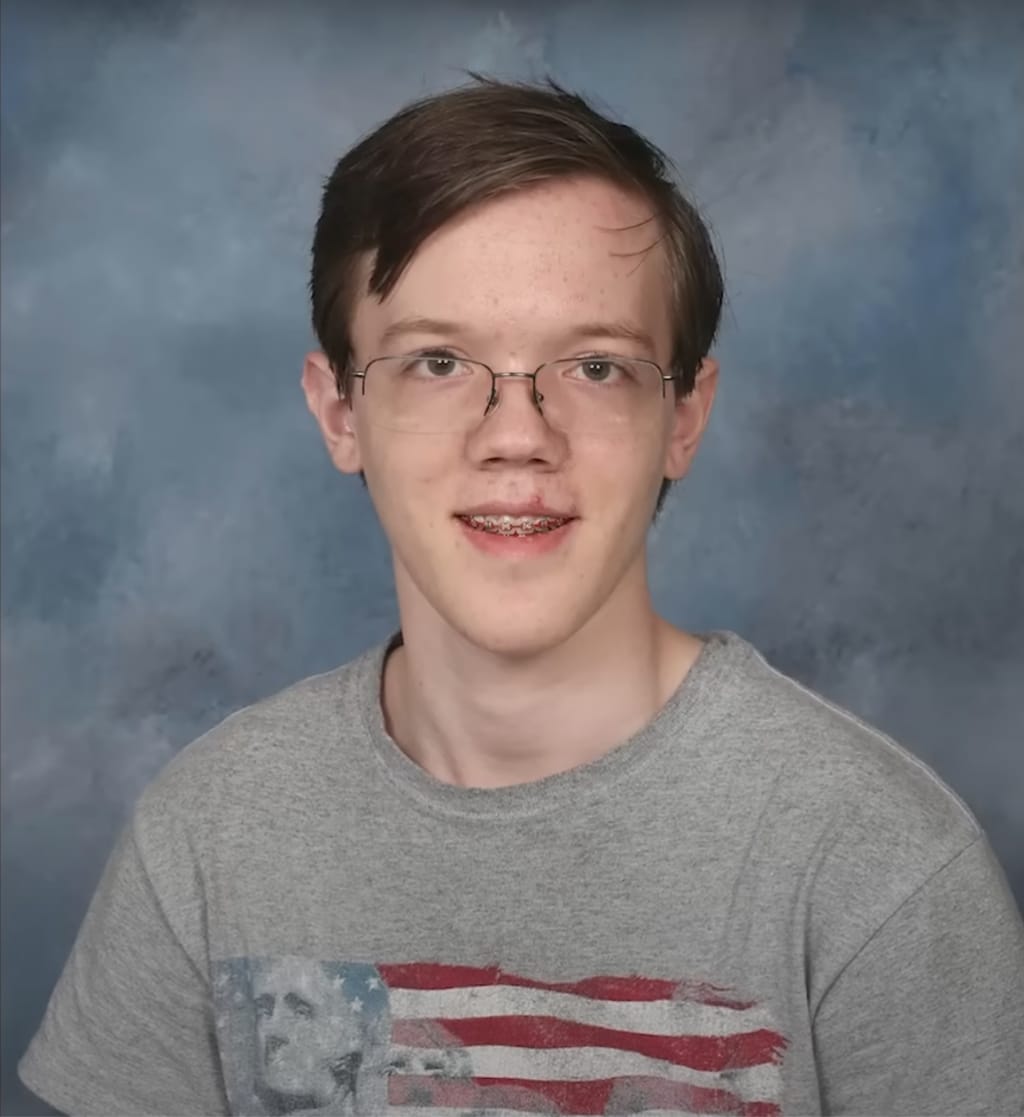
The attempted assassination of former President Donald Trump by 20-year-old Thomas Matthew Crooks has sent shockwaves across the nation, raising urgent questions about security protocols, the threat of lone-wolf actors, and the insidious nature of online radicalization. The incident, which unfolded at a public rally, saw Crooks firing multiple rounds from an AR-style rifle before being fatally shot by a Secret Service sniper. While the immediate threat was neutralized, the event has left authorities grappling with a complex and unsettling puzzle, desperately seeking answers to the enigma that is Thomas Matthew Crooks.
At the heart of the investigation lies the perplexing question of motive. What drove a seemingly ordinary young man from Bethel Park, Pennsylvania, to attempt such a brazen act of violence against a former president? Crooks, a recent high school graduate with a minimal social media footprint, exhibited no prior history of political extremism, criminal activity, or mental health issues. He was not on any watchlist and remained largely invisible to the radar of law enforcement agencies tasked with identifying potential threats.
The investigation, spearheaded by the FBI, is meticulously retracing Crooks' digital footprint, hoping to unearth clues within the labyrinth of his online activity. His cell phone, recovered from the scene and currently undergoing forensic analysis at the FBI lab in Virginia, is considered a treasure trove of potential evidence. Investigators are painstakingly dissecting his messages, browsing history, social media interactions, and online purchases, searching for any digital breadcrumbs that might illuminate his path to radicalization and potential connections to extremist networks.
Adding to the complexity is Crooks' seemingly contradictory political affiliation. Despite being a registered Republican in Pennsylvania, he made a small donation to the Democratic-aligned Progressive Turnout Project on President Joe Biden's inauguration day. This seemingly incongruous act has further muddied the waters, leaving investigators pondering whether it was a genuine expression of support for the opposing party or a calculated attempt to obfuscate his true intentions and evade detection.
Crooks' presence on Discord, a popular online platform frequented by gamers and various online communities, has also drawn the attention of investigators. While his account was inactive for several months leading up to the assassination attempt and was subsequently removed for violating community guidelines, the platform's potential as a breeding ground for extremism and a conduit for disseminating radical ideologies cannot be ignored. The FBI is actively collaborating with Discord to recover any data associated with Crooks' account, hoping to glean insights into his online interactions and potential exposure to extremist content or individuals.
Witness accounts placing Crooks strategically positioned on a rooftop overlooking the rally suggest a disturbing level of premeditation. The fact that he managed to bypass security measures and position himself in such a vantage point undetected raises serious concerns about potential vulnerabilities in security protocols for high-profile individuals, particularly in public settings. This security lapse underscores the need for a comprehensive review and enhancement of protective measures to mitigate future risks and safeguard against similar threats.
The discovery of the weapon used in the attack, an AR-style rifle legally owned by Crooks' father, has further fueled the ongoing debate surrounding gun control in the United States. Crooks' father, initially believing his son had gone to a gun range, contacted authorities only after being unable to reach him, unaware of the gravity of the situation. This tragic incident highlights the challenges of identifying individuals who may pose a threat despite having no prior history of violence and underscores the complexities surrounding responsible gun ownership and the need for effective measures to prevent firearms from falling into the wrong hands.
The lack of any documented history of mental health issues in Crooks' case has also sparked debate about the efficacy of current threat assessment protocols. While mental health plays a significant role in many acts of violence, it is crucial to acknowledge that not all individuals who pose a threat exhibit readily identifiable signs of mental illness. This case underscores the need for more comprehensive and nuanced approaches to threat assessment, encompassing a broader range of risk factors and focusing on early intervention strategies to address potential pathways to violence.
The attempted assassination of former President Trump serves as a stark and sobering reminder of the ever-present threat posed by lone-wolf actors. These individuals, often operating in isolation and radicalized through online echo chambers, can be particularly difficult to detect and neutralize. Their ability to blend in, coupled with the readily available access to weapons and information, poses a significant challenge to law enforcement agencies tasked with safeguarding national security.
As the investigation into the case of Thomas Matthew Crooks continues, authorities are working tirelessly to piece together the fragments of his life, seeking to understand the motivations that propelled him toward such a horrific act. The incident stands as a chilling testament to the insidious nature of extremism in the digital age and the pressing need for vigilance, proactive intervention, and a deeper understanding of the complex factors that contribute to the radicalization of seemingly ordinary individuals.
About the Creator
Daniel
Thanks for your reading
The Facebook Marketplace of Horrors: Inside the groups where bones are traded like baseball cards.
It Wasn't the Dark Web When we hear about the illegal sale of human body parts, we imagine the "Dark Web"—encrypted Tor browsers, Bitcoin wallets, and shadowy Russian servers. The terrifying reality of the Jonathan Gerlach case is that he wasn't hiding in the digital shadows. He was hiding in plain sight.
By Sunshine Firecracker6 days ago in Criminal
The Mayor’s Silence: Thomas Reinhold, Jonathan Gerlach, and Ephrata's 'House of Skulls'
The Promotion to Failure Thomas G. Reinhold isn’t a newcomer to Ephrata’s power structure; he is its architect. After spending over a decade (2012–2025) as Council President—rubber-stamping police budgets and prioritizing quick, unanimous meetings over deep scrutiny—Reinhold finally ascended to the Mayor’s office in January 2026.
By Sunshine Firecracker5 days ago in Criminal


Comments
There are no comments for this story
Be the first to respond and start the conversation.