


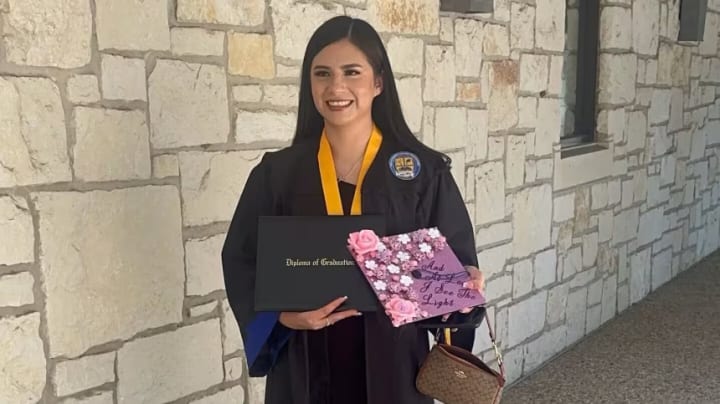
The Trump administration apologized in court for a “mistake” in the deportation of a Massachusetts college student who was detained trying to fly home to surprise her family for Thanksgiving, but still argued the error should not affect her case.
Any Lucia Lopez Belloza, a 19-year-old Babson College freshman, was detained at Boston’s airport on Nov. 20 and flown to Honduras two days later. Her removal came despite an emergency court order on Nov. 21 directing the government to keep her in Massachusetts or elsewhere in the United States for at least 72 hours.
Lopez Belloza, whose family emigrated from Honduras to the U.S. in 2014, is currently staying with grandparents and studying remotely. She is not detained and was recently visiting an aunt in El Salvador.
Her case is the latest involving a deportation carried out despite a court order. Kilmar Abrego Garcia was deported to El Salvador despite a ruling that should have prevented it. The Trump administration initially fought efforts to bring him back to the U.S. but eventually complied after the U.S. Supreme Court weighed in. And last June, a Guatemalan man identified as O.C.G. was returned to the U.S. after a judge found his removal from Mexico likely “lacked any semblance of due process.”
At a federal court hearing Tuesday in Boston, the government argued the court lacks jurisdiction because lawyers for Lopez Belloza filed their action several hours after she arrived in Texas while en route out of the country. But the government also acknowledged it violated the judge’s order.
In court filings and in open court, government lawyers said an Immigration and Customs Enforcement deportation officer mistakenly believed the order no longer applied because Lopez Belloza had already left Massachusetts. The officer failed to activate a system that alerts other ICE officers that a case is subject to judicial review and that removal should be halted.
“On behalf of the government, we want to sincerely apologize,” Assistant U.S. Attorney Mark Sauter told the judge, saying the employee understands “he made a mistake.” The violation, Sauter added, was “an inadvertent mistake by one individual, not a willful act of violating a court order.”

In a declaration filed with the court Jan. 2, the ICE officer also admitted he did not notify ICE’s enforcement office in Port Isabel, Texas, that the removal mission needed to be canceled. He said he believed the judge’s order did not apply once Lopez Belloza was no longer in the state.
The government maintains her deportation was lawful because an immigration judge ordered the removal of Lopez Belloza and her mother in 2016, and the Board of Immigration Appeals dismissed their appeal in 2017. Prosecutors said she could have pursued additional appeals or sought a stay of removal.
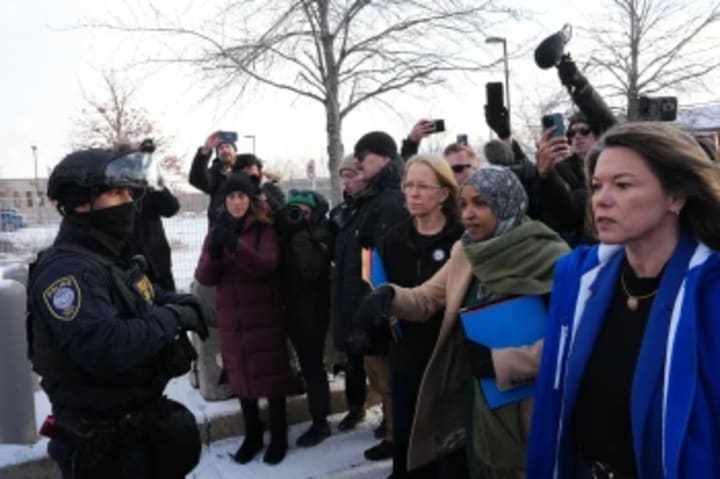
Her lawyer, Todd Pomerleau, countered that she was deported in clear violation of the Nov. 21 order and said the government’s actions deprived her of due process. “I was hoping the government would show some leniency and bring her back,” he said. “They violated a court order.”
U.S. District Judge Richard Stearns said he appreciated the government acknowledging the error, calling it a “tragic” bureaucratic mistake. But he appeared to rule out holding the government in contempt, noting the violation did not appear intentional. He also questioned whether he has jurisdiction over the case, appearing to side with the government in concluding the court order had been filed several hours after she had been sent to Texas.
“It might not be anybody’s fault, but she was the victim of it,” Stearns said, adding at one point that Lopez Belloza could explore applying for a student visa.

When Any Lucia Lopez Belloza boarded her flight at Boston Logan International Airport on Nov. 20, she was filled with excitement. The 19‑year‑old Babson College freshman had been planning a surprise Thanksgiving visit to her family, a rare break from her first semester at the prestigious Massachusetts college. But instead of arriving to hugs, holiday food, and warm reunions, she found herself handcuffed, detained, and abruptly placed on a plane to Honduras—despite a federal judge’s order telling immigration officials to keep her in the United States.
Her deportation, completed on Nov. 22, has since become the center of a legal and moral debate about due process, bureaucratic accountability, and the fate of young immigrants whose lives are deeply rooted in the U.S.
Lopez Belloza, who immigrated from Honduras with her family in 2014, had been living the typical college experience—studying business, adapting to campus life, and speaking often of her dreams to launch her own company someday. Her sudden removal shocked fellow students, teachers, and community members who described her as talented, driven, and full of potential.
But in federal court, her story became something else: a case study in how a single procedural mistake can change the direction of a young person’s life.
At a Jan. 20 hearing, government lawyers acknowledged that the deportation violated a 72‑hour stay issued on Nov. 21. An Immigration and Customs Enforcement (ICE) officer admitted he had misunderstood the order, believing it no longer applied once Lopez Belloza had left Massachusetts. He also failed to activate internal alerts that would have stopped her removal and did not notify the Port Isabel, Texas, enforcement office that the deportation mission should have been halted.
“On behalf of the government, we want to sincerely apologize,” Assistant U.S. Attorney Mark Sauter told the court, describing the incident as an “inadvertent mistake by one individual.”
The apology, however, did not change the government’s position: officials argued that Lopez Belloza’s underlying 2016 removal order—issued by an immigration judge and later upheld—made the deportation legally valid, regardless of the court’s temporary stay.
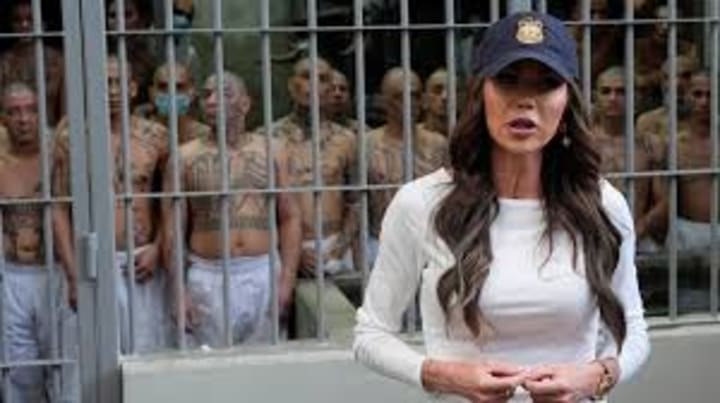
Her attorney, Todd Pomerleau, strongly disagreed. He argues that the violation stripped his client of her right to due process and robbed her of the opportunity to challenge her removal as the court had ordered. “I was hoping the government would show some leniency and bring her back,” he said. “They violated a court order.”
Despite acknowledging the error, U.S. District Judge Richard Stearns signaled that he may not have jurisdiction because the emergency filing occurred after Lopez Belloza had been transferred through Texas. He called the situation a “tragic” bureaucratic mistake—one in which no single person may be intentionally at fault, yet the consequences fell squarely on a 19‑year‑old college student.
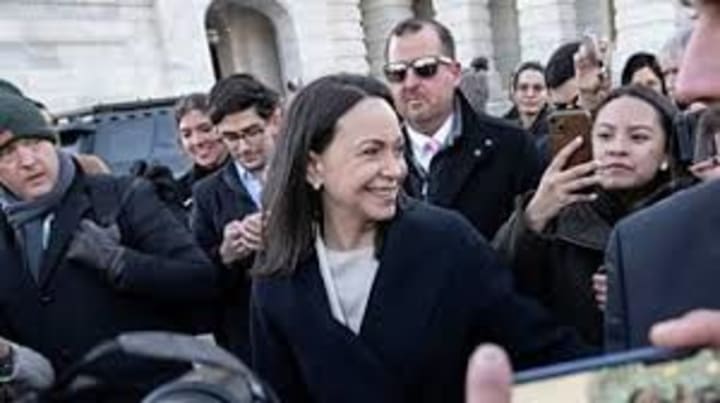
Today, Lopez Belloza remains abroad, staying with grandparents and studying remotely from Honduras while sometimes traveling to see extended family in El Salvador. Though not detained, she is effectively stranded far from the life she had worked for and the future she was building.
Her path forward remains uncertain. Judge Stearns suggested she could consider applying for a student visa, a process that could take months—if successful at all.
What remains clear is that her story has struck a chord across immigration advocates and educators alike: a promising young woman, caught in the crosscurrents of policy, paperwork, and human error.
“It might not be anybody’s fault,” the judge said, “but she was the victim of it.”
About the Creator
Organic Products
I was born and raised in Chicago but lived all over the Midwest. I am health, safety, and Environmental personnel at the shipyard. Please subscribe to my page and support me and share my stories to the world. Thank you for your time!
Keep reading
More stories from Organic Products and writers in Criminal and other communities.
The Ice shooting of Nicole Good
Here’s a criminal-justice / media ethics / sociology assignment-style narrative about the Minneapolis ICE shooting of Renée Good that weaves the story into a single account, explains legal issues and police policy, and highlights debates about justice and violations of law and protocol. It uses current reporting and verified facts. ([American Immigration Council][1])
By Organic Products about 5 hours ago in Criminal
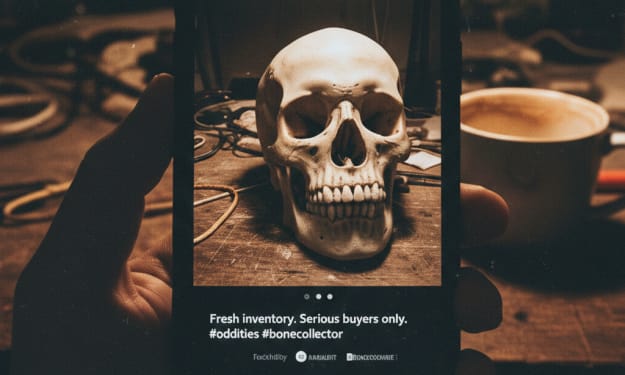
Hunting 'Deadshitdaddy': The Instagram Account Selling Bones from the House of Skulls
The Digital Storefront in Ephrata While Jonathan Gerlach was physically robbing graves 70 miles away in Yeadon, he was simultaneously building a thriving brand in the heart of Ephrata Borough. Using the handle "deadshitdaddy" on Instagram and maintaining active profiles in private Facebook groups like "Human Bones and Skull Selling Group," Gerlach allegedly turned his residence at 100 Washington Avenue into an online boutique for the macabre.
By Sunshine Firecracker6 days ago in Criminal



Comments
There are no comments for this story
Be the first to respond and start the conversation.