
The War That Wasn’t—Or Was It? The Fragile Line Between Peace and Provocation in the Trump Era
Do you think war is inevitable for the United States?

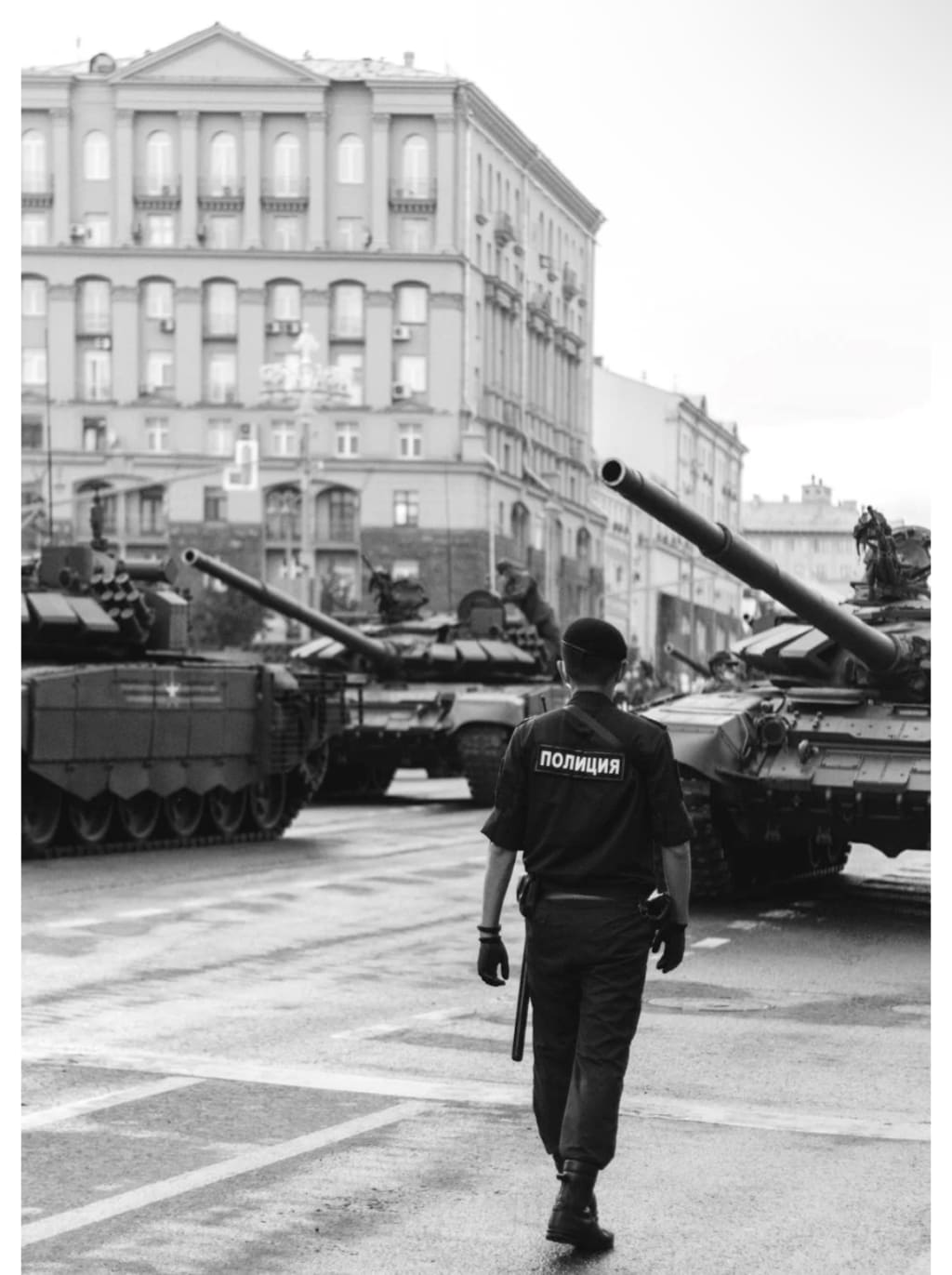
In a world already strained by economic instability, rising authoritarianism, and generational trauma, one phrase seems to echo louder than ever: World War III. It’s a phrase many of us grew up associating with distant nightmares and dystopian fiction. But in recent years, the line between imagined chaos and real-life events has blurred—and one man has stood repeatedly at the fault line of that tension: Donald J. Trump.
Once again, the former president, in true Trumpian fashion, assured the American people that “there’s nothing to worry about”—no war, no bloodshed, no global conflict on the horizon. “I’m a dealmaker, not a warmonger,” he proclaimed from the podium, brushing off concerns with his signature bravado. And then, almost like a plot twist written in permanent marker, he bombed Iran.
The Delicate Dance Between Peace and Power
To understand the implications of this moment, we need to zoom out and observe the global stage. The Middle East, particularly Iran, has long been a geopolitical powder keg. Diplomacy with Iran has historically required the kind of finesse that balances military deterrence with cultural respect, international cooperation, and a deep understanding of the scars left by colonialism, sanctions, and regime change.
When Trump launched a surprise strike on Iranian soil—allegedly in retaliation for threats that had not been clearly verified by independent intelligence agencies—it wasn’t just a military action. It was a message. But to whom?
Certainly not to the American people, many of whom had taken him at his word when he claimed there would be no war. Nor to the global community, who reacted with alarm, confusion, and in some corners, morbid resignation. The question on everyone’s mind was simple: What happened to peace?
The Theater of False Peace
Trump’s approach to leadership, both during his presidency and afterward, has been rooted in spectacle. He understands narrative. He commands attention. But he also bends reality. His claim that the war had “stopped before it started” was not just misleading—it was manipulative.
This phrase, cloaked in Orwellian doublethink, suggests that peace can exist even amid acts of war, so long as those acts are framed the right way. It’s the kind of reasoning that allows for drone strikes while insisting diplomacy is still on the table. That bombs can drop without war being declared. That provoking a sovereign nation is a form of deterrence rather than escalation.
It’s not peace. It’s performance.
The Illusion of Control
Perhaps the most dangerous element of this narrative is the illusion of control it offers. By suggesting that he alone averted a war, Trump crafts a story in which he’s the hero who neutralized a global threat—one he arguably created. It’s akin to lighting a fire and claiming victory for putting it out, even as the embers still glow.
This illusion has a twofold impact:
1. Domestically, it pacifies a war-weary public that just wants to believe someone has a handle on things.
2. Globally, it sends a confusing and dangerous message: that the U.S. can attack without accountability and then declare peace on its own terms.
This isn’t diplomacy. It’s geopolitical gaslighting.
A Digital-Age Domino Effect
In the age of social media, wars no longer begin with declarations; they begin with hashtags and headlines. One provocative strike can ignite an entire chain of retaliations, cyberattacks, misinformation campaigns, and proxy violence. A single event—like bombing Iran—can ripple across regions, drawing in allies and enemies alike.
The danger is not just the bomb itself. It’s the reaction it invites. And as history has taught us through both World Wars, escalation doesn’t happen all at once—it builds slowly, then all at once.
And yet Trump tells us, “It’s already over.”
The Cost of Believing
Americans, tired of war and confused by headlines, want to believe it. They want to believe we’re safe, that strongmen keep us strong, that might equals right. But belief doesn’t change consequences. The families in Iran who lost loved ones in the strike don’t care about Trump’s rhetoric. The military families at home holding their breath don’t feel comforted by vague reassurances.
Peace is not the absence of immediate conflict. It’s the presence of justice, diplomacy, and respect for international law. When those things are compromised—especially by a leader who acts unilaterally and erratically—we don’t have peace. We have a pause before the storm.
Is This How World War III Begins?
Not with a bang, perhaps, but with a lie disguised as leadership. With a tweet rather than a treaty. With a strike dressed as strategy. With a world unsure of how to respond, because we no longer know whether we’re watching a drama or living inside it.
World War III won’t necessarily look like the first two. It won’t be trench warfare or nuclear fallout. It will be gray-zone warfare—economic manipulation, cyber attacks, proxy conflicts, propaganda, and misinformation campaigns. The battlefield is already being drawn, and we’re all standing on it, even if we pretend not to notice.
Trump’s decision to bomb Iran may not start the war outright. But it may be another tile in the global domino setup that leads us there.
What Now?
The scariest part of all this isn’t the bomb—it’s the narrative. When citizens are told to stop asking questions, when leaders act without consequence, when truth is manipulated, and when violence is downplayed, we lose more than peace. We lose reality.
Whether or not World War III starts today, tomorrow, or years from now, the seeds of it are already being planted in our silence, our apathy, and our willingness to believe that power equals protection.
We don’t need another war. What we need is accountability, transparency, and a collective reckoning with how fragile peace truly is.
And we can’t let anyone—not even a former president—convince us otherwise.
About the Creator
In Conspiracy We Trust
Examining and exploring conspiracy theories and facts.Let's talk about it. All articles are thoughts, speculative and alleged.
Keep reading
More stories from In Conspiracy We Trust and writers in Criminal and other communities.
How Removing Juror #6 from the Diddy Case Is Setting Him Up for an Appeal
Sean “Diddy” Combs’ legal troubles have taken yet another dramatic turn, as attention now shifts from allegations and evidence to the jury selection process itself. Specifically, the removal of Juror #6 from the panel is stirring debate not just inside the courtroom, but across social media and legal circles. With so much at stake, many are asking whether this move could set the stage for an appeal — and some legal experts believe it absolutely could.
By In Conspiracy We Trust9 months ago in Criminal
Inside the Mind of a Psychopath.
Most monsters don’t look like monsters. They don’t lurk in dark forests or hide behind masks. Sometimes they sit in classrooms, shake hands politely, and smile like everyone else. Sometimes they are the last person anyone would suspect.
By Aarsh Malikabout 7 hours ago in Criminal
Top tipple tricks
Been thinking a lot about drinking, lately. Not least because of a recent episode of over-indulgence and the inevitable after effects. Some readers may recall the earlier articles I wrote about beating the booze. Here I set out an experiment in techniques for cutting down on my alcohol intake. The experiment was successful, the techniques worked, and I have armed myself with an arsenal of weapons in the war against the demon drink. I have yet to fire the first round however. It's all a question of timing (perhaps procrastination).
By Raymond G. Taylor7 days ago in Psyche




Comments
There are no comments for this story
Be the first to respond and start the conversation.