
How Removing Juror #6 from the Diddy Case Is Setting Him Up for an Appeal
Allegedly SDNY has a reputation of jury selection and discrimination, could this be a play on the defense or prosecution?

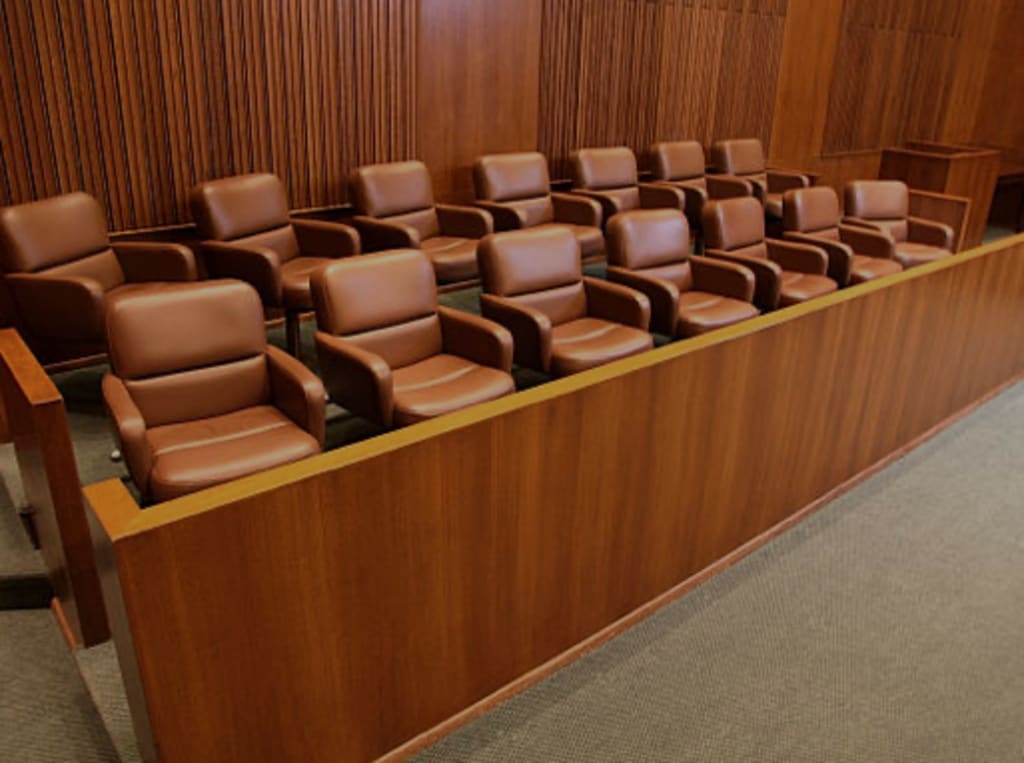
Sean “Diddy” Combs’ legal troubles have taken yet another dramatic turn, as attention now shifts from allegations and evidence to the jury selection process itself. Specifically, the removal of Juror #6 from the panel is stirring debate not just inside the courtroom, but across social media and legal circles. With so much at stake, many are asking whether this move could set the stage for an appeal — and some legal experts believe it absolutely could.
⚖️ The Power of Jury Composition in High-Profile Trials
In any criminal trial, jury selection is one of the most critical phases, but when the defendant is a celebrity — especially one as influential and polarizing as Diddy — the process becomes even more high-stakes.
Under the Sixth Amendment of the U.S. Constitution, every defendant is entitled to a trial by an impartial jury. This means that neither the prosecution nor the defense can dismiss jurors for discriminatory reasons or simply because they may lean slightly in favor of one side. If they do, and it can be proven, it’s not only a violation of constitutional rights — it’s potential grounds for appeal or even a mistrial.
That’s why the removal of Juror #6 is such a major development. The details surrounding their dismissal haven’t been made entirely public, but rumors suggest this juror may have expressed views that appeared sympathetic to the defense, or may have belonged to a demographic often underrepresented in juries — such as young Black professionals.
🧠 Why This Could Set Up an Appeal
So why does this matter?
If Diddy is convicted, his legal team can — and likely will — argue that he was denied a fair trial due to jury tampering or misconduct in the selection process. Here’s how it breaks down legally:
• Unlawful Juror Dismissals: If Juror #6 was removed for reasons that violate Batson v. Kentucky, which prohibits excluding jurors based on race, ethnicity, or gender, this alone could be used to challenge the integrity of the verdict.
• Denial of a Fair Cross-Section: The defense may also argue that removing Juror #6 resulted in a jury that did not reflect a fair cross-section of the community — a foundational principle in criminal law.
• Potential for Bias: If the juror was one of the few who may have balanced out more prosecution-friendly jurors, their absence could skew the jury toward conviction. That creates a serious appeal-worthy issue.
These arguments can be raised during post-conviction motions and in a formal appeal — possibly leading to a retrial or even a dismissal of charges, depending on how egregious the court views the removal.
📢 Public and Cultural Backlash
Beyond the legal implications, the move has also drawn widespread public criticism. Many see the removal of Juror #6 as part of a larger pattern of how the justice system handles high-profile Black defendants.
In the past, courts have been criticized for removing jurors who are seen as “too sympathetic” to defendants of color — a subtle form of racial bias that affects outcomes even when it’s not overtly acknowledged.
Commentators, activists, and fans have already started sounding off, with some calling it a clear attempt to manipulate the trial’s outcome. The perception that Diddy is being “set up to lose” by the system adds fuel to the idea that his only real hope may lie in an appellate court.
🕵🏾 Diddy’s Legal Team: Playing the Long Game?
Legal observers believe Diddy’s attorneys are well aware of the significance of Juror #6’s removal. In many high-profile trials, defense teams document every irregularity — not just for the current case, but in preparation for a potential appeal.
By placing this jury issue on record now, Diddy’s lawyers are likely building a roadmap for an appellate court to follow. And if the final verdict doesn’t go his way, they’ll be ready to argue that this dismissal fundamentally compromised the fairness of the trial.
🔁 What Could Happen Next?
If the case ends in conviction and the jury’s integrity is called into question, Diddy’s team can file an appeal citing unlawful juror removal, due process violations, and judicial error. If higher courts agree, they could:
• Reverse the conviction
• Order a new trial
• Or even dismiss the case entirely, depending on severity
In short, removing Juror #6 may have serious consequences — not just for this trial, but for how celebrity justice is handled moving forward.
About the Creator
In Conspiracy We Trust
Examining and exploring conspiracy theories and facts.Let's talk about it. All articles are thoughts, speculative and alleged.
Keep reading
More stories from In Conspiracy We Trust and writers in Criminal and other communities.
Is Diddy Guilty? Witness Fear and Intimidation Raise Serious Concerns in Ongoing Trial
The Sean “Diddy” Combs trial has become one of the most talked-about legal cases in the entertainment world. As witness testimonies unfold, including the emotional account from Mia, public scrutiny continues to grow. But beyond the headlines, one truth keeps resurfacing: most of the witnesses have expressed fear of Diddy.
By In Conspiracy We Trust10 months ago in Criminal
Michigan Synagogue Shooting: Fear, Faith, and Survival
Places of worship are meant to feel safe. People gather there to pray, reflect, and share quiet moments with their community. For many families, a synagogue is more than a building. It is where children learn traditions, where people celebrate holidays, and where comfort is found during difficult times.The michigan synagogue shooting shattered that sense of safety in an instant. What began as an ordinary day quickly turned into confusion and fear. Families inside the building suddenly faced a situation no one expects in a place meant for peace.
By Muqadas khan2 days ago in Criminal


Comments
There are no comments for this story
Be the first to respond and start the conversation.