
The Texarkana Moonlight Murders: The Phantom Killer That Terrorized a Town
Known as the Texarkana Moonlight Murders, this chilling series of unsolved crimes has haunted the region for decades, inspiring legends, movies, and a slew of theories.

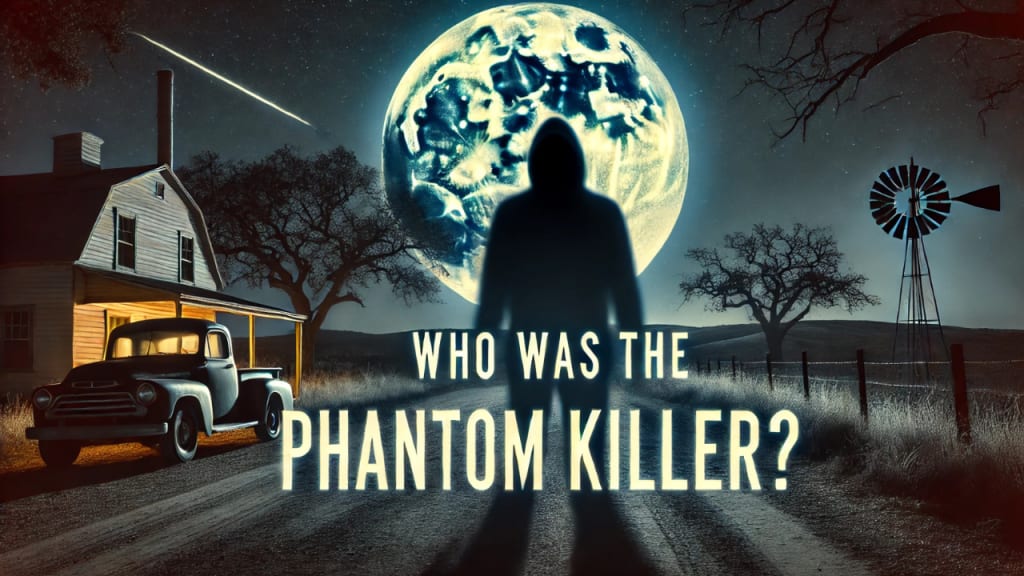
Imagine a quiet town plunged into fear, where every shadow hides a potential threat and every sound sends shivers down your spine. That was the reality for the residents of Texarkana in the spring of 1946, when an enigmatic assailant—dubbed the Phantom Killer—turned the town into his hunting ground. Known as the Texarkana Moonlight Murders, this chilling series of unsolved crimes has haunted the region for decades, inspiring legends, movies, and a slew of theories.
So, who was the Phantom Killer? Why did he strike under the cover of night? And how did he manage to vanish without a trace? Grab a flashlight and let’s uncover the mystery of Texarkana’s most infamous nightmare.
The Setting: Texarkana in 1946
Texarkana, straddling the Texas-Arkansas border, was a sleepy post-World War II town in 1946. Its residents were trying to rebuild their lives, embrace a sense of normalcy, and maybe even enjoy a date or two at the local lovers’ lanes.
But that peaceful veneer was shattered when the Phantom Killer emerged, preying on young couples parked in secluded areas. His method? Striking under the soft glow of the moon, leaving no witnesses, and no clues that could definitively reveal his identity.
The Attacks Begin
The Phantom’s reign of terror began on the night of February 22, 1946, when Jimmy Hollis and Mary Jeanne Larey, a young couple parked on a desolate road, were attacked. A masked assailant approached their car, ordering them out at gunpoint. What followed was a brutal assault: Jimmy was beaten nearly to death with a gun, while Mary Jeanne was chased and assaulted.
Though both survived, their descriptions of the attacker were chillingly vague—he wore a white mask with holes cut out for eyes and mouth, and spoke in an indistinguishable tone. This first attack set the tone for what would become one of the most terrifying unsolved crime sprees in American history.
Murder in the Moonlight
A month later, on March 24, the Phantom escalated his crimes. Richard Griffin and Polly Ann Moore were found dead in Griffin’s car on another lovers’ lane. Both had been shot execution-style, and the crime scene offered few clues.
By April 14, the Phantom struck again, claiming the lives of Paul Martin and Betty Jo Booker, both teenagers. Betty Jo’s saxophone, missing from the scene, became a curious footnote in the investigation—later discovered in a field months after the attack.
The brutality of these murders shocked Texarkana. The randomness of the crimes, combined with the lack of motive, suggested a predator who killed for the sheer thrill of it.
The Horrifying Texarkana Phantom Killer
Fear Takes Hold
By the time the Phantom killed Virgil Starks, a farmer shot through his living room window on May 3, Texarkana was in a state of full-blown panic. Residents boarded up their windows, armed themselves, and instituted curfews. Stores sold out of guns, locks, and ammunition faster than you could say "Phantom Killer."
Local law enforcement, overwhelmed by the fear gripping the town, enlisted the help of the Texas Rangers, including the legendary Manuel "Lone Wolf" Gonzaullas, a no-nonsense officer known for his toughness and sharp investigative skills. But despite their efforts, the Phantom proved maddeningly elusive.
Theories Abound
The investigation into the Phantom Killer’s identity produced a flood of theories, suspects, and dead ends. Some of the most notable suspects included:
- Youell Swinney: A car thief and serial forger, Swinney was arrested in 1947. His wife reportedly implicated him in the murders, but her testimony was later deemed inadmissible. Swinney was never charged with the crimes, though many believed he fit the profile of the Phantom.
- Local Hermits and Drifters: Several itinerant men in the area were investigated but ultimately cleared. The Phantom’s calculated behavior suggested someone more methodical than a passing drifter.
- A Military Connection: Given Texarkana’s proximity to military installations, some theorized the killer might have been a soldier or a veteran with expertise in firearms and a transient lifestyle.
Legacy of Terror
The Phantom Killer vanished as mysteriously as he appeared, leaving behind a trail of fear, shattered lives, and unanswered questions. The Texarkana Moonlight Murders remain one of the most infamous unsolved cases in American history, fueling decades of speculation and inspiring cultural depictions.
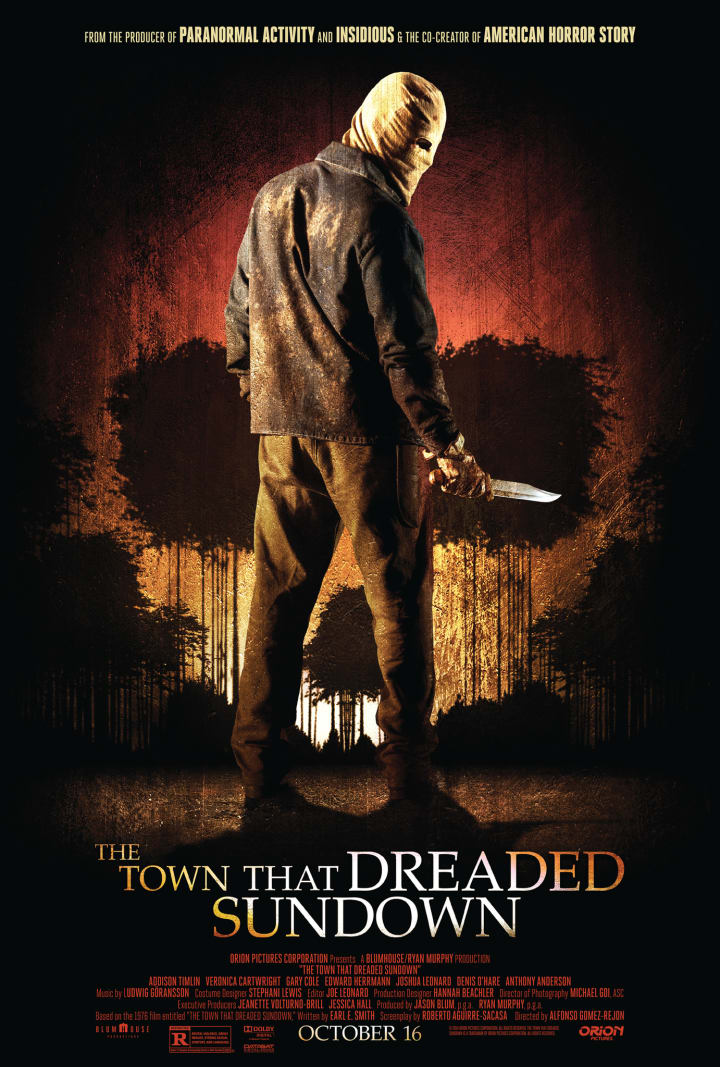
The case became the basis for the cult-classic horror film "The Town That Dreaded Sundown" (1976), which amplified the ghostly aura surrounding the events. While the movie took creative liberties, it cemented Texarkana’s association with one of the 20th century’s most chilling mysteries.
Why the Phantom Still Haunts Us
The Texarkana Moonlight Murders endure as a haunting reminder of the vulnerability of small-town America and the chilling randomness of violence. The Phantom Killer’s anonymity, his mask, and his choice of victims create a recipe for unending speculation.
Was he a local who blended back into the community? A transient killer who moved on to other crimes? Or something else entirely? The truth, it seems, is destined to remain locked in the shadows, just like the Phantom himself.
Texarkana has since embraced its grim legacy, hosting annual screenings of "The Town That Dreaded Sundown" as a macabre nod to its history. But for those who remember the fear of 1946, the Phantom Killer is more than just a ghost story—he’s a chilling reminder of the unknown dangers that can lurk in the moonlight.
About the Creator
Keep reading
More stories from Marveline Merab and writers in Criminal and other communities.
The Circleville Letters: UNMASKING the Mystery of Ohio's Most Bizarre Crime
If you think small-town drama starts and ends with PTA feuds and bake sale rivalries, think again. In the 1970s, the sleepy town of Circleville, Ohio, became the epicenter of a bizarre and unsettling mystery. Anonymous letters, cryptic warnings, and even attempted murder turned this quiet community into a real-life whodunit that would leave Agatha Christie scratching her head.
By Marveline Merababout a year ago in Criminal
The Global Power Struggle in 2026: Why Are Tensions Rising Between the United States, Russia, China, and Venezuela?
f tensions between the United States and each of Russia, China, and Venezuela. These tensions cannot be understood as isolated events or temporary crises; rather, they are a direct reflection of a deeper struggle over global influence, strategic resources, and the future shape of the international order. At the center of this complex scene, Venezuela has emerged as a major flashpoint, while Russia and China play the role of supporters and counterweights to U.S. actions.
By America today 4 days ago in Criminal
Two Teens, One Bus, and a Nation Watching
Hello, and welcome to “The True Crime Reader,” where we dig beneath the headlines to unravel the stories that shape our understanding of crime, justice, and society. Today’s episode takes us to Oakland, California, for the story behind Dashka Slater’s powerful nonfiction book, “The 57 Bus”—a case that stunned the Bay Area and reverberated across the country.
By Kristen Barenthaler2 days ago in Criminal



Comments
There are no comments for this story
Be the first to respond and start the conversation.