
The Serial Killer Who Preyed on Vulnerable Women — Khalil Wheeler-Weaver
“Khalil Wheeler-Weaver used dating apps to target women, leaving a trail of devastation in his wake. Despite warnings from a survivor, authorities failed to act in time to save his final victims.”

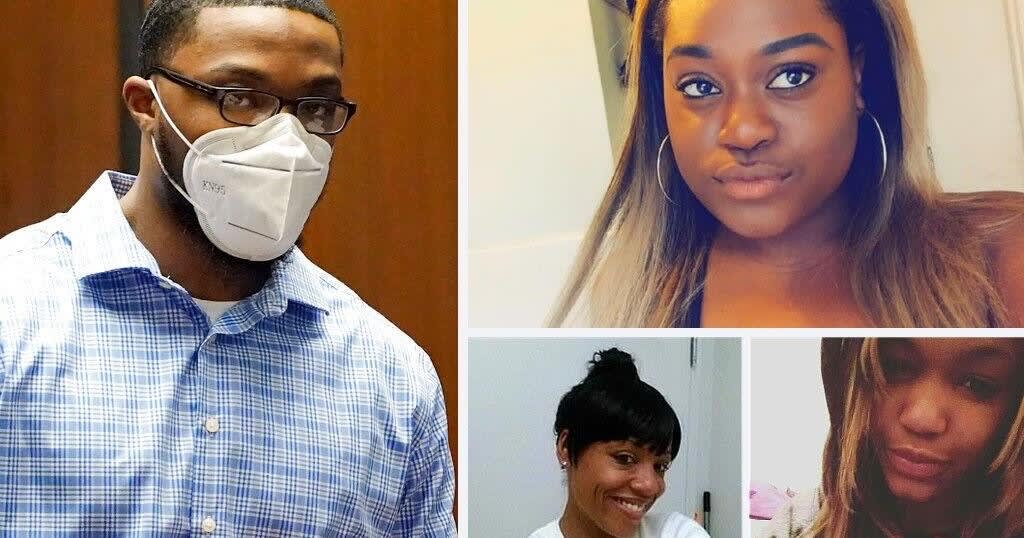
“You’re Not a Serial Killer, Right?”
These were the fateful words 20-year-old Sarah Butler sent to Khalil Wheeler-Weaver shortly before agreeing to meet him on November 22, 2016. Tragically, investigators now believe her question was more accurate than she ever imagined.
That evening, Butler borrowed her mother’s van, telling her she planned to meet a friend. When she didn’t return, her family reported her missing. Authorities later uncovered messages on the social media platform Tagged, revealing that Wheeler-Weaver had offered Butler $500 for sex.
While Sarah Butler would ultimately become his final known victim, investigators are confident she wasn’t his first.
A Trail of Victims
Robin Daphne Michele West

On September 1, 2016, the charred remains of 19-year-old Robin West were discovered in an abandoned house in Orange, New Jersey. She had been raped, strangled, and her body set ablaze. During Wheeler-Weaver’s trial, West’s mother heartbreakingly questioned, “Was she alive? Did she fight? What were her last words?”
Identifying West’s remains proved difficult due to the extent of the fire damage. It wasn’t until two weeks later that dental records confirmed her identity. Meanwhile, another woman had already gone missing.
Joanne Brown
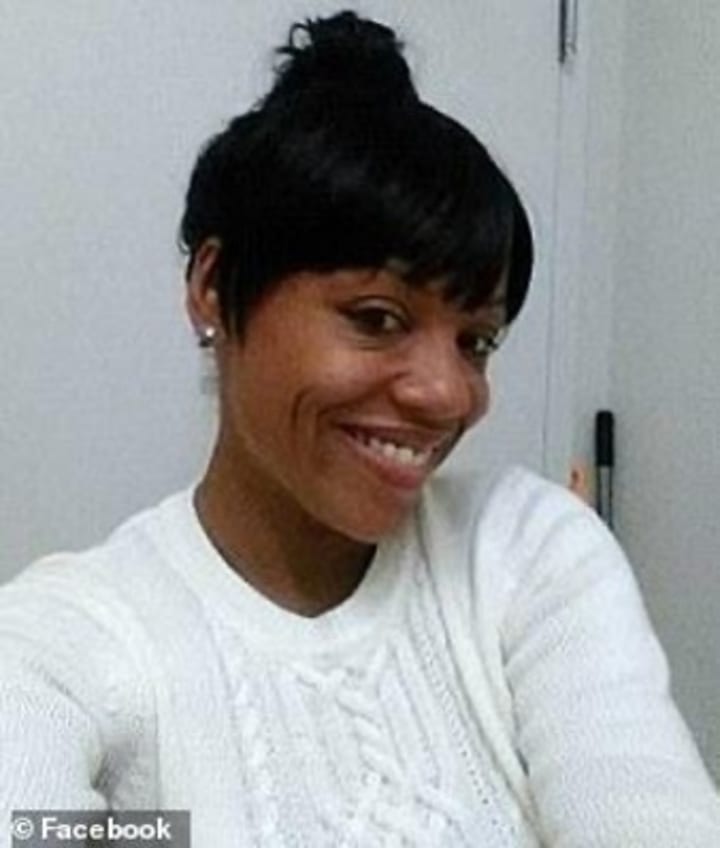
Joanne Brown’s decomposing body was discovered by contractors on December 5, 2016, in another abandoned property in Orange. Her eyes and mouth had been taped shut, and a jacket was tied around her neck. Brown had last been seen alive on October 22, getting into Wheeler-Weaver’s car.
Tiffany Taylor: The Survivor
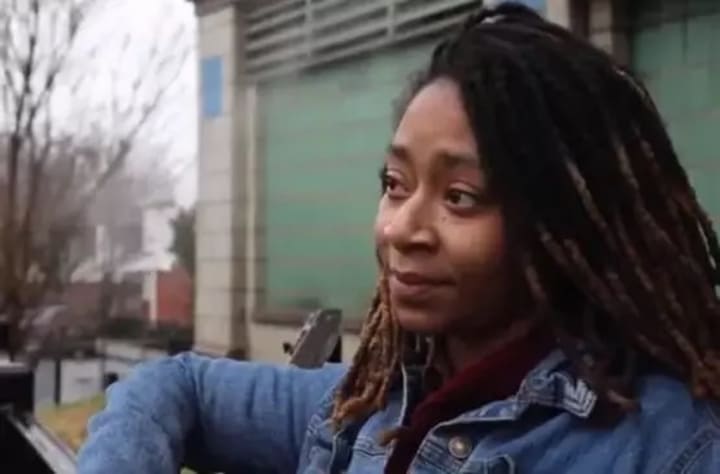
Between the time Joanne Brown vanished and her body was found, Wheeler-Weaver targeted another victim—Tiffany Taylor. Pregnant and experiencing homelessness, Taylor needed money. Wheeler-Weaver approached her on Tagged, offering cash for sex.
According to Taylor, the encounter quickly turned violent. After driving her around, Wheeler-Weaver struck her on the head. When she regained consciousness, she was handcuffed and being sexually assaulted.
Thinking quickly, Taylor convinced him to return her to her hotel room under the pretense that she had left her phone inside, which contained evidence of their interactions. Once inside, she locked the door and called the police. When officers arrived, she still had handcuffs hanging from one wrist.
Shockingly, the police doubted her story. “They thought I was lying,” Taylor later recalled, alleging that authorities seemed more intent on investigating her for prostitution than taking her allegations seriously. Her claims were dismissed, allowing Wheeler-Weaver to remain free—and to claim one more victim.
The Disappearance of Sarah Butler
Sarah Butler, a college student home for Thanksgiving, connected with Wheeler-Weaver on Tagged. Despite her initial hesitation, her messages show that he convinced her to meet him. Five days later, her family accessed her social media account and found their interactions.
Taking matters into their own hands, her friends created a fake profile to lure Wheeler-Weaver to a meeting at Panera Bread. When he arrived, police were waiting to question him. However, they didn’t immediately arrest him.
Nearly a week later, authorities finally took Wheeler-Weaver into custody for Butler’s murder. A review of his phone records revealed a disturbing digital trail, connecting him not only to Butler but to the other victims and the locations where their bodies were found.
The Trial
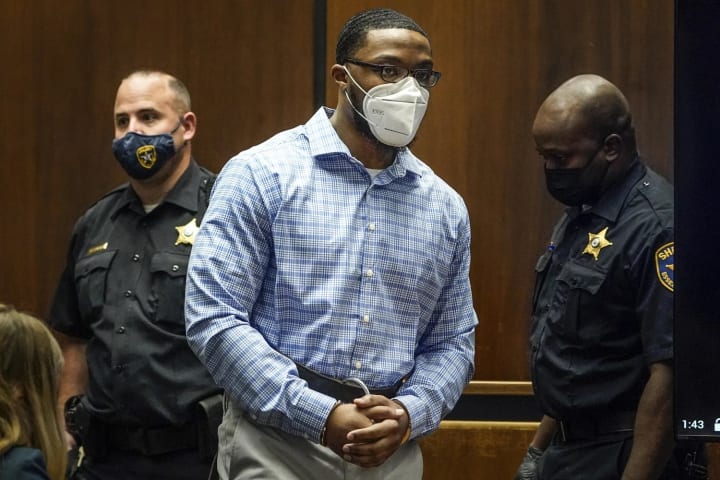
At trial, prosecutors argued that Wheeler-Weaver targeted vulnerable women, using dating apps to lure them. Many were unhoused or sex workers, individuals he believed no one would miss.
“He thought he could kill them, dump their bodies, and walk away without anyone caring,” said Essex County Prosecutor Theodore Stephens II. “He miscalculated.”
In 2019, a jury found Wheeler-Weaver guilty of three counts of murder, as well as the kidnapping, attempted murder, and sexual assault of Tiffany Taylor. Additional charges included aggravated arson and desecration of human remains. He was sentenced to 160 years in prison.
“The purpose of this sentence is to ensure that this defendant never walks free in society again,” the judge declared, noting Wheeler-Weaver’s complete lack of remorse. Despite the evidence and Taylor’s testimony, Wheeler-Weaver insisted he was innocent, claiming he had been framed. “I feel sympathy for the victims,” he said during sentencing. “But I didn’t commit these crimes.”
A Fourth Victim Emerges
Even after Wheeler-Weaver was incarcerated, the grim scope of his crimes continued to unfold. In May 2019, authorities identified the remains of 15-year-old Mawa Doumbia, who had been missing since 2016. Her body was found in an abandoned house in Orange, so decomposed that months of investigation were required to confirm her identity.
Prosecutors linked Wheeler-Weaver to Doumbia through extensive digital evidence, including records showing he had solicited her for sex. They believe he picked her up on October 7, 2016, and took her to the same house where her body was later discovered. There, he assaulted and strangled her.
In March 2022, Wheeler-Weaver was indicted for Doumbia’s murder. Additional charges included attempted sexual assault of a minor, child endangerment, and desecration of human remains.
A Case Mishandled?
While Khalil Wheeler-Weaver’s conviction brought some measure of justice, criticism of law enforcement’s handling of the case persists. Advocates argue that had Tiffany Taylor’s initial report been taken seriously, Sarah Butler—and potentially others—might still be alive today.
Thank you for reading!
If you find this piece interesting, please leave a heart, comment, or even subscribe! Your support means a lot to me as a writer!
About the Creator
Victoria Velkova
With a passion for words and a love of storytelling.
Keep reading
More stories from Victoria Velkova and writers in Criminal and other communities.
Skinned Alive: The Gruesome Mystery of Katarzyna Zowada
In 1999, a tugboat navigating the Vistula River came to an abrupt stop when the captain noticed a pale, foul-smelling mass entangled in the propeller. Little did anyone know, this discovery would unravel one of the most chilling murder cases in Poland’s history.
By Victoria Velkovaabout a year ago in Criminal
The Shocking Case of Brian Stewart:
The Shocking Case of Brian Stewart: When a Father Injected His Own Son with HIV In 1992, the quiet city of St. Charles County, Missouri, became the backdrop for one of the most chilling and unsettling crimes in modern medical history. Brian Stewart, a trained phlebotomist, used his knowledge and access to medical resources to deliberately harm his infant son. The case is not only a tragic story of parental betrayal but also a cautionary tale about the vulnerabilities inherent in medical access, the motivations that drive horrifying decisions, and the resilience of the human spirit.
By Dakota Denise a day ago in Criminal
Oil at War: The Strait of Hormuz Crisis and the Rising Iran–Israel–US Conflict
Oil at War: The Strait of Hormuz Crisis and the Rising Iran–Israel–US Conflict The Middle East has once again become the center of global attention as tensions between Iran, Israel, and the United States intensify. At the heart of this crisis lies one of the world’s most strategic waterways: the Strait of Hormuz. This narrow maritime corridor carries a huge portion of the world’s oil supply, and any disruption here has the power to shake the global economy.
By Wings of Time about 9 hours ago in Criminal


Comments
There are no comments for this story
Be the first to respond and start the conversation.