
The Russia-Ukraine Conflict: Implications for International Relations and Security
Exploring the Origins, Escalation, and Attempts at Peace in the War between Russia and Ukraine
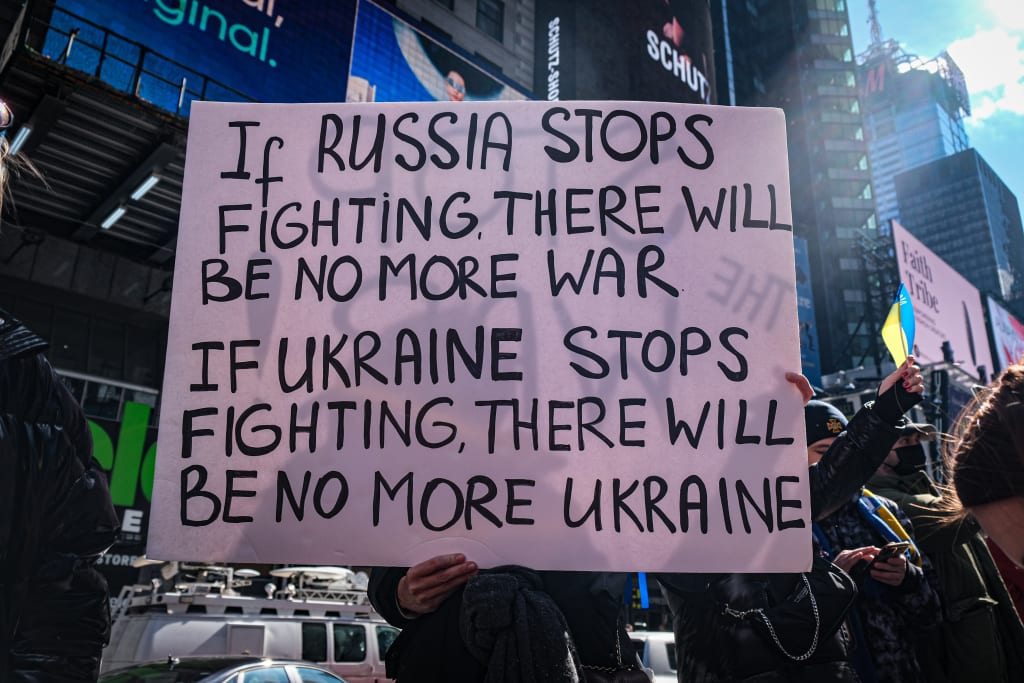
The Russia-Ukraine war is a long-standing conflict that has roots in the historical relationship between the two countries. It began as a dispute over the Crimean peninsula, which Russia annexed from Ukraine in 2014. Since then, the conflict has escalated into a full-scale war with both sides accusing each other of violating ceasefire agreements and committing war crimes. The war has led to the loss of thousands of lives, the displacement of millions of people, and has had significant implications for international relations. This essay will provide a comprehensive overview of the Russia-Ukraine war, its causes, and its impact on the region and the world.
Historical Background
The roots of the Russia-Ukraine conflict can be traced back to the Soviet era. Ukraine was a part of the Soviet Union until its dissolution in 1991, and Russia was its successor state. However, after the collapse of the Soviet Union, Ukraine declared its independence, and tensions between the two countries began to emerge. One of the main sources of tension was the issue of Crimea.
Crimea was historically a part of Russia, but in 1954, Soviet leader Nikita Khrushchev transferred the region to the Ukrainian Soviet Socialist Republic. After Ukraine's independence, Crimea remained a part of Ukraine, but the majority of its population is Russian-speaking. The issue of Crimea became a source of tension between the two countries, with Russia claiming that Crimea was part of its historical territory, and Ukraine insisting that it was part of its sovereign territory.
The Crisis in Crimea
The crisis in Crimea began in late 2013, when protests erupted in Ukraine against President Viktor Yanukovych's decision to abandon an agreement with the European Union in favor of closer ties with Russia. The protests, known as the Euromaidan, led to Yanukovych's ouster and the installation of a new pro-Western government in Ukraine.
Russia saw the events in Ukraine as a threat to its interests and responded by annexing Crimea in March 2014. The annexation was met with international condemnation, and the United States and the European Union imposed economic sanctions on Russia.
Russia defended its actions by claiming that it was protecting the interests of ethnic Russians in Crimea, who it claimed were under threat from the new government in Ukraine. However, the annexation was widely seen as a violation of Ukraine's sovereignty and territorial integrity, and the international community refused to recognize it.
The War in Eastern Ukraine
After the annexation of Crimea, pro-Russian separatists in eastern Ukraine began to rise up against the Ukrainian government. The separatists declared the establishment of two self-proclaimed republics, the Donetsk People's Republic (DPR) and the Luhansk People's Republic (LPR), and began to seize territory in eastern Ukraine.
The Ukrainian government responded by launching a military operation to regain control of the separatist-held areas. The conflict quickly escalated, with both sides accusing each other of committing war crimes and violating ceasefire agreements.
Russia was accused of providing military and financial support to the separatists, including sending troops and weapons across the border into Ukraine. However, Russia denied these allegations, claiming that any Russian citizens fighting in eastern Ukraine were there as volunteers.
The conflict has led to the loss of thousands of lives and has had a significant impact on the civilian population. The UN estimates that over 13,000 people have been killed in the conflict, and millions of people have been displaced.
International Response
The Russia-Ukraine war has had a significant impact on international relations, with many countries taking sides in the conflict. The United States and the European Union have imposed economic sanctions on Russia in response to its annexation of Crimea and its support for the separatists in eastern Ukraine.
Russia has responded by accusing the West of interfering in its internal affairs and trying to destabilize the country. Russia has also sought to strengthen its alliances with other countries, particularly China, in response to the sanctions.
The conflict has also had implications for international security. The annexation of Crimea and the conflict in eastern Ukraine have led to a deterioration in relations between Russia and the West, with both sides engaging in military build-ups and increasing their military presence in the region.
The conflict has also raised concerns about the use of force to change international borders and the protection of minority rights. The annexation of Crimea was widely seen as a violation of international law, and the conflict in eastern Ukraine has led to allegations of human rights abuses and war crimes.
Attempts at Peace
Despite numerous attempts at peace, the conflict in Ukraine has continued. The Minsk Protocol, signed in September 2014, was the first attempt to bring an end to the conflict. The agreement called for a ceasefire, the withdrawal of heavy weapons from the front lines, and the establishment of a buffer zone between the Ukrainian military and the separatists.
However, the ceasefire was quickly violated, and the conflict continued to escalate. A second ceasefire agreement, known as Minsk II, was signed in February 2015. The agreement included provisions for the withdrawal of heavy weapons, the exchange of prisoners, and the establishment of a constitutional reform process in Ukraine.
However, the implementation of the agreement has been slow and has been met with numerous violations from both sides. The conflict has continued to simmer, with occasional flare-ups in violence.
Conclusion
The Russia-Ukraine war is a complex and multifaceted conflict that has had significant implications for international relations and security. The conflict began with the annexation of Crimea by Russia and has since escalated into a full-scale war in eastern Ukraine.
The conflict has led to the loss of thousands of lives and has had a significant impact on the civilian population, with millions of people displaced from their homes. The conflict has also had implications for international security, with both sides engaging in military build-ups and increasing their military presence in the region.
Despite numerous attempts at peace, the conflict has continued. The implementation of ceasefire agreements has been slow, and both sides have been accused of violating them. The conflict remains unresolved, and its impact on the region and the world is likely to be felt for years to come.
About the Creator
Keep reading
More stories from shehroz ahmed and writers in Criminal and other communities.
Achieving and Maintaining Fitness for a Healthy and Happy Life
Fitness is the state of being healthy and physically fit. It involves having the ability to perform daily activities without fatigue or exhaustion. Fitness is not only limited to physical activities but also includes mental and emotional health. The importance of fitness cannot be overemphasized. It plays a vital role in maintaining a healthy lifestyle, preventing diseases, and increasing longevity. In this article, we will delve into various aspects of fitness and how you can achieve and maintain fitness for a healthy and happy life.
By shehroz ahmed3 years ago in Lifehack




Comments
There are no comments for this story
Be the first to respond and start the conversation.