
The Price of Love in Balochistan: A Woman's Last Words Before Death
How the killing of two lovers in Balochistan exposed the deadly grip of honour culture

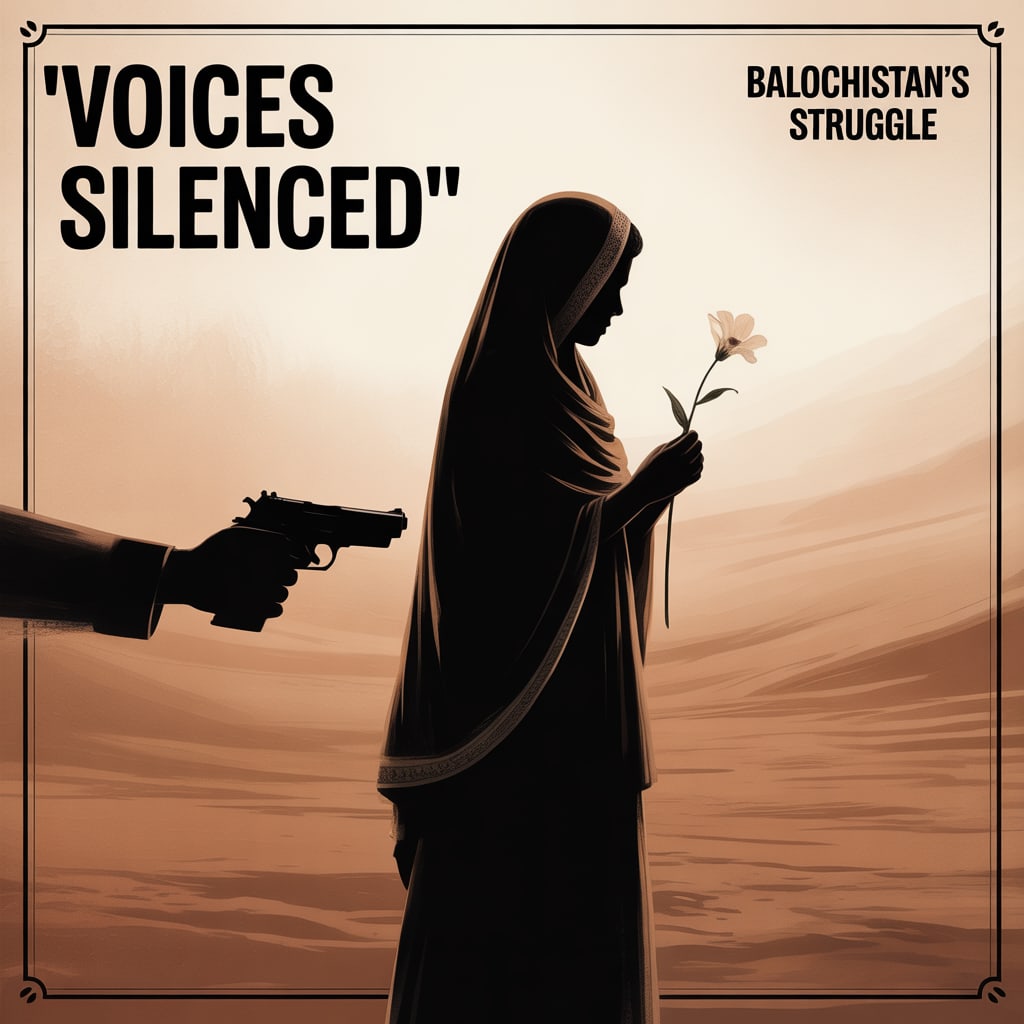
The air in the hills of Balochistan is dry, heavy — a silent witness to stories that never make it past the village border. In one such village, where tradition is stronger than law and silence is safer than truth, a young woman named Bano once made a choice that would seal her fate. She chose love. And for that, she was hunted.
Bano Satakzai had lived a life of quiet obedience. Raised in a conservative family, her days revolved around household chores, unspoken rules, and the kind of silence expected from women. But then she met Ehsan, a young man from another town, and something changed.
Their love wasn’t reckless. It wasn’t born of rebellion. It was deliberate — nurtured in hushed conversations, stolen glances, and a deep respect for one another. They knew their families wouldn’t accept it. So, they made a bold and irreversible decision.
They married — legally, and with witnesses — far from the village that had once caged them.
For a while, they lived in peace. They built a quiet life together, away from the eyes that once watched them. But peace, for people like them, rarely lasts. Over a year passed. Then one day, Bano received a message. Her family wanted to reconcile. They missed her. They forgave her. They were ready to welcome her and Ehsan home.
The words were soft. The tone was warm. The trap was perfect. Despite Ehsan’s hesitation, Bano believed them. Perhaps it was hope. Perhaps it was love for her mother, for the home she still dreamed of. She convinced Ehsan to go back — just for a visit.
They were welcomed at first. Smiles. Tea. Tears. And then, the door shut behind them. A jirga had already met. A decision had already been made. Their crime: marrying for love, without permission. Their punishment: death. They were no longer guests. They were prisoners.
The next morning, they were taken into the hills. It was early. The village slept, or pretended to. A group of men escorted them to a dry riverbed. Some of those men were family. Bano walked in silence, her white scarf trailing behind her. Ehsan stayed close, quiet, resigned. There were no guards — just executioners in plain clothes, armed with tribal pride and loaded rifles. At the site, Bano turned to one of the men — her cousin.
“Let me walk seven steps,” she said, calmly. “Then do what you’ve come to do.”
He didn’t ask why. He just nodded.
Step one: The home she had built with Ehsan, far from judgment.
Step two: Her mother’s voice on the phone, soft and false.
Step three: The last sunset she watched with him, sitting on their rooftop.
Step four: The gold ring he gave her — not expensive, but worn with love.
Step five: Their first Eid together, as husband and wife.
Step six: A heartbeat of hope.
Step seven: The end.
She stopped walking. A pause, A shot, her body fell. Ehsan, standing only feet away, followed soon after. They were buried quietly. No funeral. No mourning. Just silence. The video surfaced days later — a grainy recording of their final moments. Bano’s calm voice. Her final request. The sound of the gun. The world saw. The world reacted.
Protests followed. Politicians made statements. Arrests were announced.
But none of it could undo what was done.
In that village, life returned to normal. The same fields. The same walls. The same silence.
But sometimes, when the wind moves through those hills, it carries more than dust. It carries the sound of footsteps — slow, certain, unafraid.
And if you listen closely, you might hear a girl say:
“Let me walk seven steps. Nothing more than that.”
About the Creator
Muhammad Rahim
I’m a passionate writer who expresses truth, emotion, and creativity through storytelling, poetry, and reflection. I write to connect, inspire, and give voice to thoughts that matter.
Keep reading
More stories from Muhammad Rahim and writers in Criminal and other communities.
The Door That Stirred at Midnight
It began like a breath on a cold windowpane—soft, fleeting, and inexplicably cold. A sigh moved through the hallway, too gentle to be a draft, too sorrowful to be ignored. It felt as if the house itself had exhaled after holding in something it could no longer bear. The walls, once witnesses to warmth and voices, now stood heavy with silence. Not the kind that soothes, but the kind that presses against your chest and waits.
By Muhammad Rahim 6 months ago in Horror
The Facebook Marketplace of Horrors: Inside the groups where bones are traded like baseball cards.
It Wasn't the Dark Web When we hear about the illegal sale of human body parts, we imagine the "Dark Web"—encrypted Tor browsers, Bitcoin wallets, and shadowy Russian servers. The terrifying reality of the Jonathan Gerlach case is that he wasn't hiding in the digital shadows. He was hiding in plain sight.
By Sunshine Firecracker4 days ago in Criminal
What DHS Secretary Kristi Noem said vs. what the videos show
NBC News and PBS recapped the competinBelow is a structured, evidence-backed analysis of the Minneapolis ICE shooting and the claims made by DHS Secretary Kristi Noem—including the applicable federal laws/policies and how intent vs. recklessness factor into a potential case. I’ll keep this clear, precise, and grounded in the video evidence and governing law.
By Organic Products 7 days ago in Criminal


Comments (2)
IT is really emotional story for love
They are very conservative people.