
The Murders That Haunted a Campus and shocked a Nation
A brutal killing of four University of Idaho students shattered innocence and exposed gaps in forensic and criminal justice systems.

The Crime That Shook a Campus
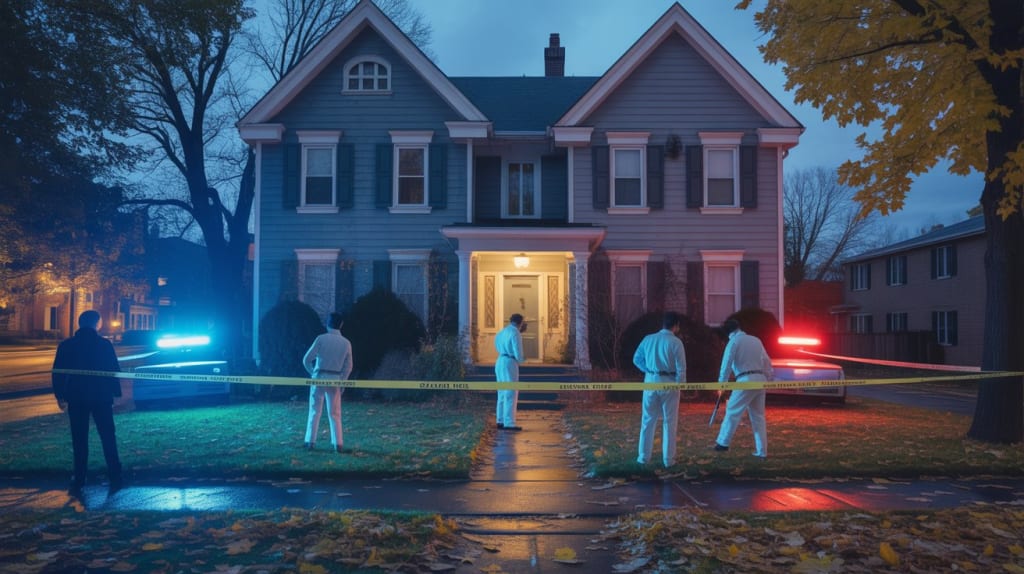
On the night of November 13, 2022, the off-campus home of four University of Idaho students Ethan Chapin, Madison Mogen, Xana Kernodle, and Kaylee Goncalves became the scene of one of the most horrific crimes in recent U.S. college history. The victims were brutally stabbed to death while they slept, and two other roommates were left traumatized but alive. The case quickly gained national attention, not only for its heartless brutality but also for the chilling mystery that surrounded the motive.
Investigation and Breakthrough
Law enforcement launched a massive investigation. They relied on DNA evidence collected from a distinctive knife sheath at the crime scene. Surveillance footage from nearby streets and cell phone location data placed Bryan Kohberger, a 30-year-old former criminology Ph.D. student at Washington State University, in Moscow, Idaho, at the time of the killings. Ultimately, authorities used genetic genealogy to trace the DNA through family members, linking it to Kohberger and leading to his arrest ([Vox, January 2023]; [Reuters, July 2025]).
Remarkably, Kohberger had no known criminal record. His academic pursuits in criminal justice raised chilling questions about how someone so immersed in criminology might plan a crime. Despite his sophisticated education, investigators found the body disposal and cleaning of his car were clumsy, contributing to his capture.
Guilty Plea and Sentencing
Rather than standing trial, Kohberger accepted a plea deal in July 2025, pleading guilty to four counts of first-degree murder. In exchange, he avoided the death penalty and received four consecutive life sentences without the possibility of parole, plus additional years for burglary charges ([AP News, July 2025]).
Families of the victims were permitted to read impact statements during sentencing. Their grief, anger, and frustration were palpable many criticized the absence of clarification for the crime and argued they were not adequately consulted before the plea agreement. Judge Steven Hippler described the killings as “senseless slaughter” and praised investigators for piecing together the case ([AP News, July 2025]; [Vox, January 2023]).
Unanswered Questions and Lingering Fear
Despite overwhelming evidence, the motive remains a haunting mystery. Kohberger has refused to explain why he committed the killings, and the plea deal did not compel him to do so. The victims’ families and the public are left unsettled, seeking closure in a case where justice was served but understanding eluded them.
Moscow, Idaho a university town known for its pastoral atmosphere was upended overnight. Students and residents grappled with the realization that the killer lived among them, was educated in nearby Washington State University, and had meticulously planned an attack that breached the perceived safety of young adult life.
Impact on U.S. Forensics and Campus Safety
The case underscored serious advancements and limitations in criminal forensics:
Genetic genealogy technology proved central to identifying Kohberger, echoing breakthroughs used in cases such as the Golden State Killer.
The case illustrated the risks when academic insight crosses into obsession: someone well-versed in criminal psychology became capable of committing the very crimes they studied.
In response to outrage, universities and public safety agencies increased focus on night-time security, student awareness programs, and anonymous reporting of suspicious behavior.
Profiles of the Victims
Ethan Chapin, Madison Mogen, Xana Kernodle, and Kaylee Goncalves were described by friends and family as vibrant, kind, and full of promise. Their social media posts reflected laughter, camaraderie, and plans for future success. The University of Idaho campus community and families across the country were devastated by the loss of these aspiring young adults.
Their story became a tragic reminder that even safe, rural towns are not immune to violence and that the invisible threat can strike anywhere.
Why This Case Mattered Nationally
The victim profiles young, educated, engaged college students received intense media scrutiny and sparked national grief.
The case elevated debates around social isolation, mental health, and how criminal justice knowledge might be used destructively.
Forums and true-crime communities followed the unraveling carefully, dissecting motive speculation, legal maneuvers, and forensic methods a stark example of the digital age's obsession with violence.
Calls for Healing and Reform
In the aftermath, campus groups and mental health advocates urged for:
Expanded resources for survivors of violence and trauma.
Emphasis on early warning signs of behavioral distress, even in high-achieving individuals.
Broader training for campus police in behavioral threat assessment.
Greater transparency in plea deals so families feel informed and respected.
Conclusion: Justice Without Closure
The Idaho murders remain a chilling reminder of senseless violence targeting the young, hopeful lives at the beginning of their adult journey. While criminal justice has delivered punishment, the absence of motive denies what many families and communities seek most—understanding.
In small towns and big cities alike, the case has renewed awareness that violence can strike anywhere—and that forensic advances are powerful but only partial substitutes for human empathy, vigilance, and community support.
Sources & References
Vox News, “The horrifying revelations of the Idaho student murders,” January 2023
Reuters, “Doctoral student faces life term for Idaho killings, but motive may remain unknown,” July 2025
AP News, “Doctoral student sentenced to life ... after pleading guilty for four student murders,” July 2025
Psychology Today, “High-Profile Crimes of 2021,” compiled overview (includes similar spree crimes)
FBI and genetic genealogy reporting in major media outlets covering Kohberger’s arrest and sentencing
About the Creator
Nowshad Ahmad
Hi, I’m Nowshad Ahmad a passionate storyteller, creative thinker, and full-time digital entrepreneur. Writing has always been more than just a hobby for me; it's a way to reflect, connect, and bring life to ideas that often go unspoken.
Keep reading
More stories from Nowshad Ahmad and writers in Criminal and other communities.
The Rise of India's Most Notorious Gangster and the Global Trail of Violence
In recent years, a name has repeatedly surfaced in India’s most sensational criminal cases: Lawrence Bishnoi. Once a student leader, Bishnoi now stands as the alleged mastermind behind a vast criminal syndicate, with operations stretching from India to Canada and the Middle East. Accused of orchestrating brutal murders, extortion rings, and international arms deals, Bishnoi has emerged as one of the most feared figures in India's modern criminal landscape.
By Nowshad Ahmad8 months ago in Criminal
The Shocking Case of Brian Stewart:
The Shocking Case of Brian Stewart: When a Father Injected His Own Son with HIV In 1992, the quiet city of St. Charles County, Missouri, became the backdrop for one of the most chilling and unsettling crimes in modern medical history. Brian Stewart, a trained phlebotomist, used his knowledge and access to medical resources to deliberately harm his infant son. The case is not only a tragic story of parental betrayal but also a cautionary tale about the vulnerabilities inherent in medical access, the motivations that drive horrifying decisions, and the resilience of the human spirit.
By Dakota Denise about 11 hours ago in Criminal
Michigan Synagogue Shooting: Fear, Faith, and Survival
Places of worship are meant to feel safe. People gather there to pray, reflect, and share quiet moments with their community. For many families, a synagogue is more than a building. It is where children learn traditions, where people celebrate holidays, and where comfort is found during difficult times.The michigan synagogue shooting shattered that sense of safety in an instant. What began as an ordinary day quickly turned into confusion and fear. Families inside the building suddenly faced a situation no one expects in a place meant for peace.
By Muqadas khana day ago in Criminal


Comments
There are no comments for this story
Be the first to respond and start the conversation.