
The murder of 4-year-old Derrick Robie by 13-year-old Eric Smith
In 1993, the brutal murder of 4-year-old Derrick Robie in Savona, New York, shocked the nation and led to the arrest and conviction of 13-year-old Eric Smith.
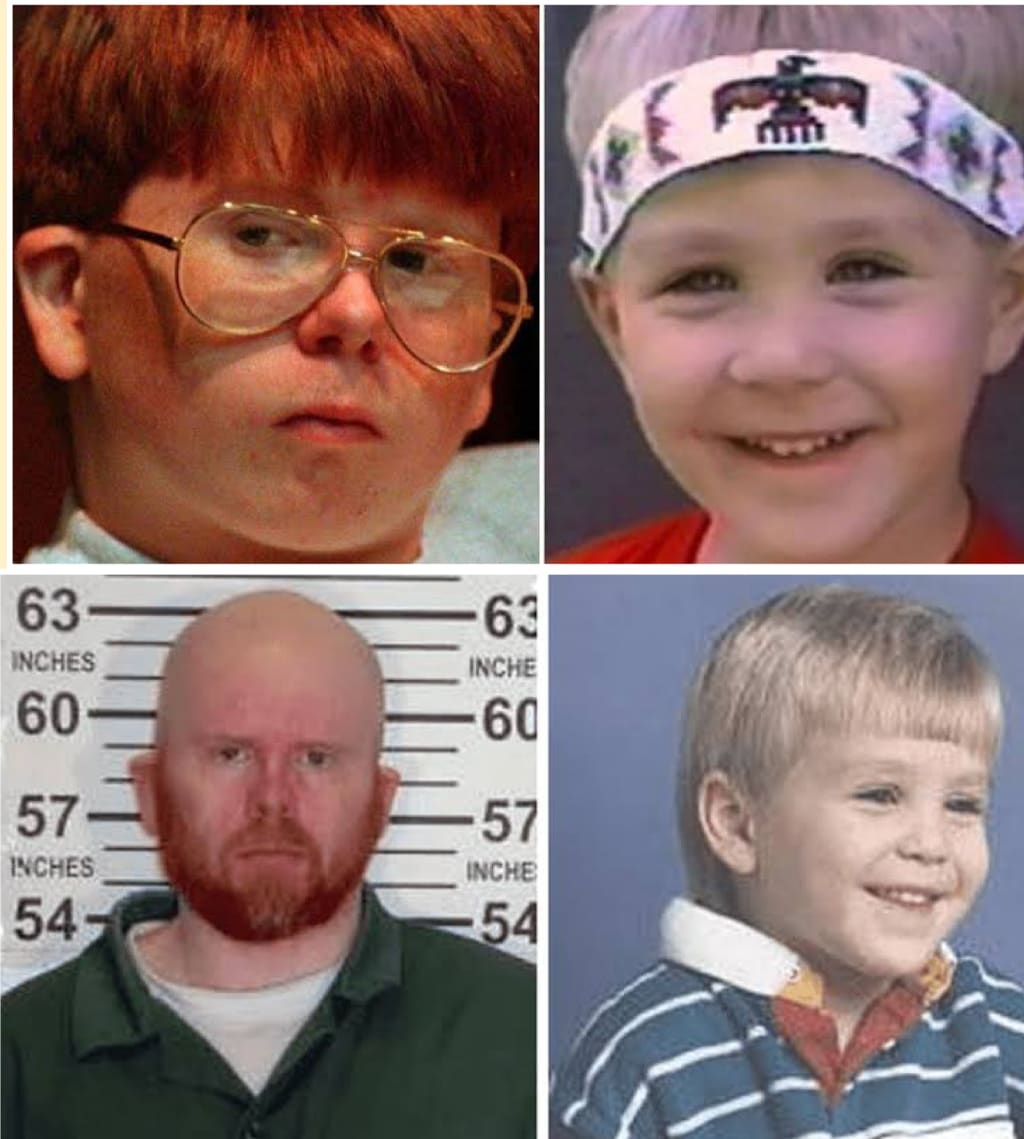
In 1993, the brutal murder of 4-year-old Derrick Robie in Savona, New York, shocked the nation and led to the arrest and conviction of 13-year-old Eric Smith. The case ignited debates about juvenile justice and the appropriate punishment for young offenders who commit heinous crimes.
On August 2, 1993, Derrick Robie was walking alone to a summer day camp in his small, tight-knit community. Tragically, on his way, he encountered Eric Smith, a local teenager who was just 13 years old at the time. Eric lured Derrick into a secluded area, where he proceeded to beat and strangle the young boy to death.
The horrifying nature of the crime and the age of the perpetrator left the community in shock and mourning. As the investigation unfolded, it became evident that Eric Smith had a history of behavioral issues, including a fascination with fire-setting and animal cruelty. He had been enrolled in various counseling and treatment programs in the past, but the extent of his violent tendencies was not fully understood until the murder of Derrick Robie.
During the trial, Eric Smith's defense attorneys argued that he had a history of mental health problems and suffered from emotional issues that may have contributed to his violent behavior. They highlighted his troubled childhood, marked by bullying, difficulties in school, and strained family relationships.
The prosecution, on the other hand, presented evidence showing the calculated and premeditated nature of the crime. They contended that Smith meticulously planned the murder, indicating a level of intent and understanding of the consequences of his actions.
The jury found Eric Smith guilty of second-degree murder, and he was sentenced to a maximum of nine years to life in prison. However, his young age and the possibility of rehabilitation prompted the parole board to grant him parole hearings over the years.
The case of Eric Smith raised complex questions about the treatment of young offenders in the criminal justice system. Many argued that a 13-year-old may not fully comprehend the gravity of their actions and should be treated differently from adult criminals. Advocates for juvenile justice reform stressed the need for a more rehabilitative approach to address the root causes of criminal behavior in young individuals.
The case also highlighted the importance of early intervention in addressing behavioral issues and providing necessary support and counseling for troubled youth. It brought attention to the role of schools, families, and communities in recognizing and addressing the warning signs of potential violence in young individuals.
Over the years, the case of Eric Smith has continued to spark public interest and debate. Despite his parole hearings and efforts to show remorse, his initial parole requests were denied, and he remained incarcerated.
The tragedy of Derrick Robie's death and the case of Eric Smith underscored the need for comprehensive juvenile justice reform in the United States. The incident brought attention to the challenges of balancing accountability and rehabilitation for young offenders, especially those with histories of mental health issues and behavioral problems.
In recent years, the country has seen a shift towards a more rehabilitative approach in the treatment of juvenile offenders. Many states have reevaluated their sentencing practices and emphasized the importance of diversion programs, counseling, and educational opportunities to prevent young individuals from entering a life of crime.
Furthermore, the case of Eric Smith has prompted discussions about the effectiveness of parole and the reintegration of young offenders into society. The parole system has been scrutinized for its role in assessing the potential for rehabilitation and its impact on the victims' families and communities.
In conclusion, the murder of 4-year-old Derrick Robie in 1993 by 13-year-old Eric Smith shocked the nation and raised significant questions about juvenile justice. The case underscored the importance of early intervention, counseling, and support for troubled youth. Eric Smith's conviction and parole hearings ignited debates about the appropriate punishment and rehabilitation for young offenders. The tragedy served as a catalyst for juvenile justice reform efforts, emphasizing the need for a balanced approach to address the root causes of criminal behavior in young individuals.
About the Creator
Keep reading
More stories from Kure Garba and writers in Criminal and other communities.
The Chilling Crime: The Murder of a Stepfather by a Teenager
The case of Paul Gingerich and Colt Lundy shook the nation in 2010 when the two young boys were involved in the murder of Colt's stepfather, Phillip Danner, in Indiana. The incident raised profound questions about juvenile justice and the appropriate punishment for minors who commit serious crimes.
By Kure Garba2 years ago in Criminal
New Turquoise Alert Issued: Latest in Isabella Comas Case | Morning News Brief
In today’s Morning News Brief, we turn our focus to the developing case of Isabella Comas, a young girl whose disappearance has captured national attention. A new Turquoise Alert has been issued, signaling a critical update in the case. The alert system, designed to assist in the rapid recovery of missing minors, has brought renewed attention to the efforts surrounding Isabella’s whereabouts. As investigators continue to piece together details, the community remains on edge, hoping for a breakthrough.
By Salaar Jamali2 days ago in Criminal


Comments
There are no comments for this story
Be the first to respond and start the conversation.