
The Enfield Poltergeist Case: A Haunting Mystery of 1977
The Enfield Poltergeists Haunting Legacy

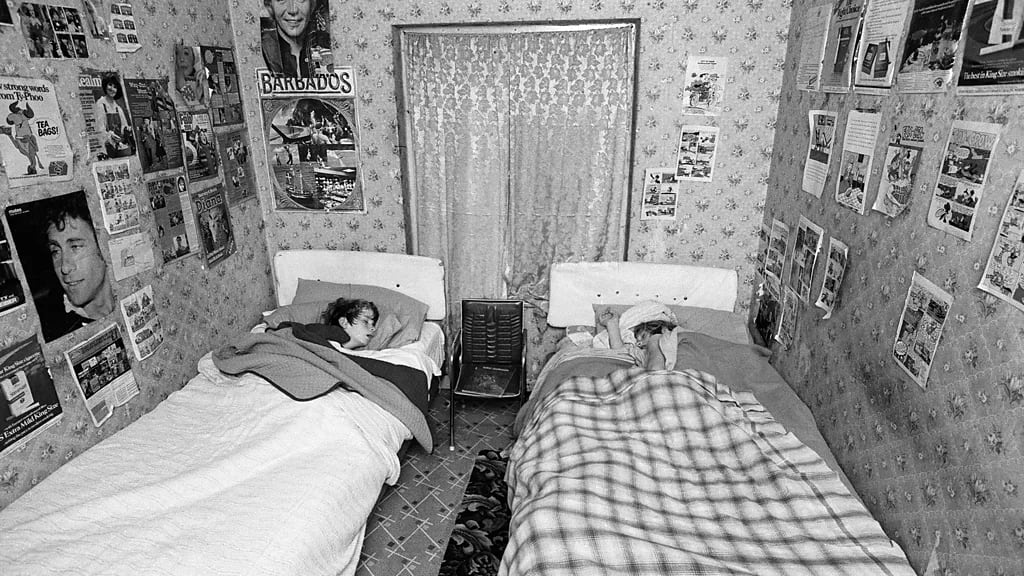
The Enfield Poltergeist case is one of the most notorious and well-documented paranormal events in modern history. Occurring in Enfield, London, between 1977 and 1979, the story involves strange happenings in the home of Peggy Hodgson and her four children. This case captured the imagination of paranormal enthusiasts, skeptics, and the general public alike due to the terrifying nature of the reported phenomena and the extensive media coverage it received. Despite various investigations, the events that took place inside 284 Green Street remain a mystery, with many questioning whether it was a genuine paranormal haunting or an elaborate hoax.
The Setting
The Hodgson family, consisting of single mother Peggy Hodgson and her four children—Margaret, Janet, Johnny, and Billy—lived in a modest council house in Enfield, a suburb of North London. On the night of August 30, 1977, 11-year-old Janet Hodgson and her brother Johnny experienced what would become the beginning of two years of terror. According to reports, the children heard strange noises and saw furniture moving by itself. A chest of drawers reportedly shifted several feet across the room without any visible force acting on it. Peggy Hodgson, skeptical at first, witnessed the phenomena herself and called the police.
When officers arrived, they too claimed to have seen inexplicable activity. A chair reportedly moved on its own in front of one of the officers, but the police, unable to offer any help, simply documented the events and advised the family to seek further assistance. This was the beginning of what would become a long investigation involving paranormal researchers, journalists, and even skeptical investigators.
The Paranormal Activity
Over the following months, the paranormal occurrences escalated in intensity. Objects were reportedly thrown across rooms, knocking sounds were heard on the walls, and furniture moved without explanation. Most disturbingly, Janet, who was 11 at the time, became the focal point of the activity. She was reportedly thrown from her bed, levitated, and even contorted into unnatural positions while other family members and investigators watched in horror.
Janet also began speaking in a deep, gravelly voice, claiming to be the spirit of Bill Wilkins, a former resident of the house who had died in the living room years before. Bill Wilkins’ son would later confirm that the details of his father’s death matched Janet’s account, further fueling speculation that something otherworldly was occurring. Tapes of Janet speaking in the voice of Wilkins have been analyzed by various experts, who found it difficult to explain how such a young girl could maintain the vocal strain required for such deep, guttural tones.
The paranormal activity was not limited to physical disturbances. Witnesses, including neighbors and journalists, reported seeing Janet levitate, although no clear photographic evidence exists to substantiate these claims. Photographs taken during the incidents show Janet appearing to jump or be thrown from her bed, but skeptics argue that these images can be easily explained as tricks of light or simple jumping.
The Investigators
The case gained significant attention when Maurice Grosse and Guy Lyon Playfair, members of the Society for Psychical Research (SPR), became involved. Both Grosse and Playfair were seasoned paranormal investigators, and they spent extended periods inside the Hodgson home. They witnessed various inexplicable events, including objects being thrown and Janet speaking in the voice of Bill Wilkins. Grosse and Playfair documented their findings in meticulous detail, recording hours of audio and video footage.
Playfair later wrote a book about the case, titled This House is Haunted, in which he detailed the eerie events and expressed his belief that the Enfield Poltergeist was a genuine paranormal phenomenon. Grosse, too, was convinced of the haunting's authenticity, claiming that much of what he witnessed could not be explained by rational means.
Not everyone was convinced, however. Some skeptics pointed out that Janet and her sister Margaret were caught faking certain incidents, such as bending spoons and making strange noises. Janet later admitted to fabricating a small portion of the activity but maintained that the vast majority of the events were genuine and beyond her control. This admission has led to significant debate over whether the Enfield Poltergeist was a hoax perpetrated by bored children or a genuine haunting that became embellished over time.
Skeptics Weigh In
As with most paranormal cases, the Enfield Poltergeist attracted its fair share of skeptics. The famous paranormal investigators Ed and Lorraine Warren briefly visited the house and declared the case a clear example of demonic possession, although their involvement was minimal compared to Grosse and Playfair. However, other skeptics, such as stage magician and paranormal debunker James Randi, dismissed the case as a hoax. Randi pointed out the lack of hard evidence and the fact that children, especially ones under the stress of a broken home, could easily fabricate such occurrences.
Critics also argued that the Hodgson family had a financial motive for perpetuating the haunting story. At the time, media outlets paid for exclusive rights to stories, and the Hodgsons were not immune to the financial struggles many working-class families faced. Skeptics believe that the desire for publicity and monetary gain might have encouraged the family, particularly Janet, to exaggerate or fabricate the events.
The Aftermath
Despite the skepticism, the Enfield Poltergeist case remains one of the most well-documented paranormal cases in history. In the years following the events, Janet Hodgson has maintained that while some of the incidents were exaggerated, the majority were real and beyond her control. The family eventually moved out of the house, and while subsequent residents have not reported any paranormal activity, the house’s eerie reputation persists.
The case has been the subject of numerous documentaries, books, and films, including The Conjuring 2, which dramatized the events. The film reignited public interest in the Enfield Poltergeist, bringing the case back into the spotlight decades after the original incidents took place.
Conclusion
The Enfield Poltergeist case remains a polarizing and enigmatic event. For believers, it is one of the most compelling examples of paranormal activity ever recorded, with multiple witnesses, investigators, and documented evidence. For skeptics, it is a fascinating case study in the power of suggestion, the malleability of memory, and the ways in which human beings can deceive themselves and others. Whether genuine or a hoax, the case of the Enfield Poltergeist continues to haunt the annals of paranormal history, leaving us with more questions than answers.
About the Creator
Aslihan
Aspiring writer with a passion for researching diverse topics. I love sharing insights and connecting with others. Let’s embark on a journey of exploration and discover intriguing stories together
The $1 Deed: Did Jonathan Gerlach Transfer His Ephrata Property to Hide Assets?
The Paper Trail While the investigation into the Mount Moriah Cemetery grave robberies was quietly building, Jonathan Gerlach was already making moves to separate himself from his most valuable asset.
By Sunshine Firecracker3 days ago in Criminal


Comments
There are no comments for this story
Be the first to respond and start the conversation.