
The Christchurch Mosque Shootings in New Zealand
A Tragedy That Shook the World

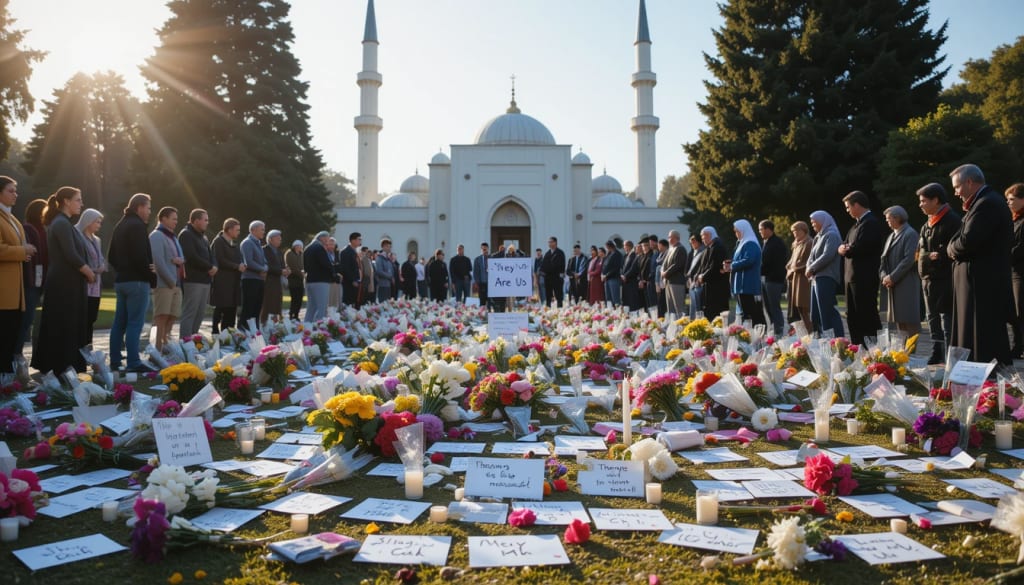
On March 15, 2019, New Zealand, a nation known for its peaceful and inclusive society, was shaken to its core by an act of unspeakable violence. In what became one of the deadliest mass shootings in the country’s modern history, a gunman opened fire on worshippers at two mosques in the city of Christchurch, killing 51 people and injuring dozens more. This meticulously planned terrorist attack was live-streamed by the perpetrator and quickly spread across social media, adding a disturbing digital dimension to an already horrifying act.
This article revisits the Christchurch mosque shootings, examining the events of that day, the ideology that motivated the attacker, the immediate and long-term responses by the New Zealand government, and the broader implications for counterterrorism, internet regulation, and the fight against Islamophobia worldwide.
---
The Attack: What Happened on March 15, 2019?
At approximately 1:40 PM local time, during Friday prayers, the gunman—later identified as Brenton Tarrant, a 28-year-old Australian national—entered the Al Noor Mosque in central Christchurch. Armed with semi-automatic weapons and wearing tactical gear, he began shooting indiscriminately at the gathered worshippers. Over the course of several minutes, he killed 44 people inside the mosque and wounded many others.
After leaving Al Noor Mosque, the attacker drove to the Linwood Islamic Centre, about 5 kilometers away. There, he continued his rampage, killing seven more individuals before being apprehended by police while en route to a third target. Authorities later found several more firearms in his vehicle, suggesting the potential for even greater loss of life had he not been stopped.
What made the event even more grotesque was that Tarrant had mounted a camera on his helmet and live-streamed the attack on Facebook. This deliberate act of digital terrorism was intended to propagate his extremist ideology and sow fear among Muslim communities globally.
---
The Ideology Behind the Attack
Tarrant posted a 74-page manifesto online shortly before the attack. In it, he espoused a white supremacist worldview, heavily influenced by the so-called "Great Replacement" theory—a conspiracy claiming that white Europeans are being systematically replaced by non-European immigrants, particularly Muslims.
His manifesto and the nature of the attack were clearly inspired by other far-right extremists, including Anders Behring Breivik, who carried out the 2011 Norway attacks. Tarrant explicitly stated his desire to incite a race war and hoped his actions would spark similar attacks in other countries.
Analysts quickly identified the growing global trend of far-right radicalization as a central factor in Tarrant's path to violence. His attack marked a terrifying escalation in what has become known as "lone wolf" terrorism, often driven by online radicalization and facilitated by the global reach of social media.
---
National Response: Jacinda Ardern’s Leadership
New Zealand’s Prime Minister Jacinda Ardern emerged as a global symbol of compassionate leadership in the wake of the tragedy. Her swift, empathetic, and decisive response helped unify a grieving nation.
In the immediate aftermath, Ardern donned a hijab while meeting with victims’ families, sending a powerful message of solidarity. She famously said, “They are us,” emphasizing the inclusion of Muslim New Zealanders as integral to the nation’s identity.
Beyond symbolism, Ardern moved quickly to address the legal and systemic failures that allowed the attack to occur. Within a month, New Zealand passed new gun control legislation, banning most semi-automatic firearms and implementing stricter background checks. The bill passed with overwhelming support, highlighting a rare moment of national consensus in response to tragedy.
---
The Christchurch Call: Tackling Online Extremism
One of the most significant initiatives following the shootings was the launch of the Christchurch Call—an international pledge initiated by Ardern and French President Emmanuel Macron to eliminate terrorist and violent extremist content online.
Announced in May 2019, the Christchurch Call brought together governments, tech companies (including Facebook, Google, Twitter, and Microsoft), and civil society groups to develop collaborative strategies for preventing the misuse of digital platforms by extremists. While the initiative is non-binding, it has led to improvements in content moderation policies and real-time takedown capabilities.
Critics argue that much remains to be done, especially in ensuring transparency and accountability from tech companies, but the Christchurch Call remains a landmark step in the global effort to curb online radicalization and hate speech.
---
A Global Wake-Up Call
The Christchurch mosque shootings reverberated far beyond New Zealand. They highlighted the transnational nature of white supremacist ideology and the increasingly blurred lines between online hate speech and real-world violence.
Muslim communities around the world responded with grief but also with resilience. Vigils, interfaith prayers, and community events were held across continents. Many saw the attack not just as an assault on New Zealand Muslims, but on the values of pluralism and peaceful coexistence everywhere.
Governments and intelligence agencies also began reassessing the threats posed by far-right extremism, which had long been overshadowed by the focus on jihadist terrorism. The attack served as a wake-up call to broaden the scope of counterterrorism efforts.
---
Conclusion: Remembering the Victims, Learning the Lessons
The Christchurch mosque shootings remain one of the darkest chapters in New Zealand’s history. But from that darkness emerged a powerful testament to human solidarity, the importance of inclusive leadership, and the urgent need to confront hate in all its forms.
Fifty-one lives were lost, but their memory lives on in the changes that followed—in gun laws, in global online safety efforts, and in a renewed commitment to multiculturalism and religious tolerance.
The tragedy serves as a stark reminder that extremism knows no borders and that in an interconnected world, the fight against hate must also be global, collaborative, and relentless.
About the Creator
A Mother's Love Lost
It was December 30th, 1988, just two days before the New Year. Jack Dale Walker had convinced a coworker to drive him out to the trailer where his girlfriend lived. Hansel Norton, the co-worker, had known Jack for barely three full weeks. Hansel was trying to be a good friend to this new friend. So, Jack, was young, only 22 years old and appeared to be love sick for the girl who was the mother of his baby.
By Cassie Moore5 days ago in Criminal
Inside the House of Skulls: The Full Timeline of the Jonathan Gerlach Investigation
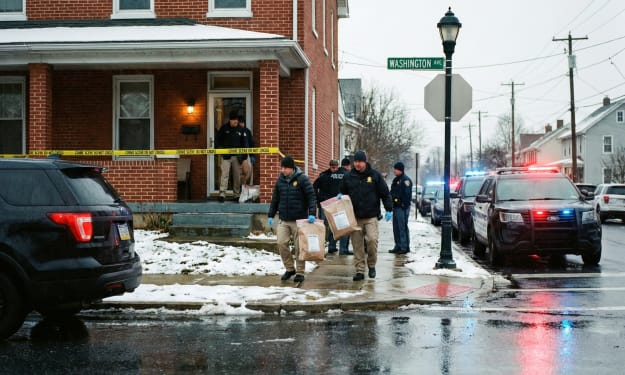
INVESTIGATION TARGET: JONATHAN C. GERLACH INCIDENT LOCATION: 100 WASHINGTON AVENUE, EPHRATA PA CHARGES: ABUSE OF CORPSE (x100), THEFT, DESECRATION STATUS: INCARCERATED ($1M BAIL) KEYWORDS: #HouseOfSkulls #JonathanGerlach #EphrataCrime #MountMoriah
By Sunshine Firecracker2 days ago in Criminal


Comments (1)
This is a truly tragic event. It's hard to fathom the horror those worshippers faced. The fact that it was live-streamed is sickening. It makes you wonder how social media platforms can better prevent such content from spreading. Also, what more can be done to stop the ideology that fuels these attacks? We need to address the root causes to prevent similar tragedies in the future.