
The Carters Are Quietly Aware Of Who Has Been Working Against Their Empire by NWO Sparrow
Examining the public enemies, business fallout, and media moments that keep negative narratives alive

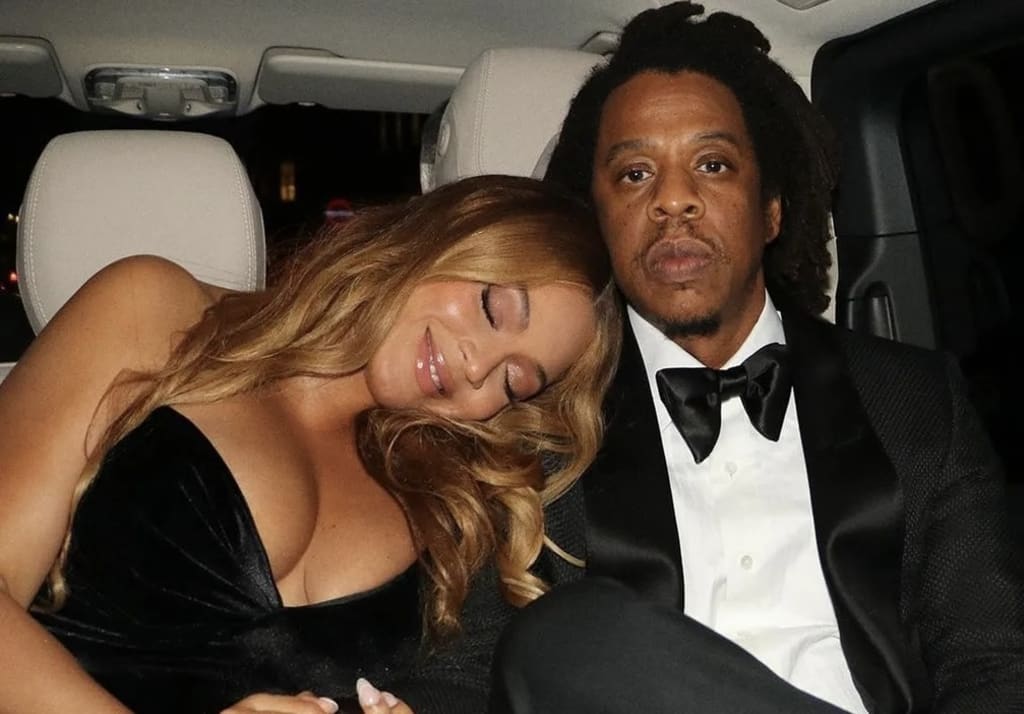
From courtroom showdowns to industry rivalries, the conflicts that sparked whispers across entertainment circles
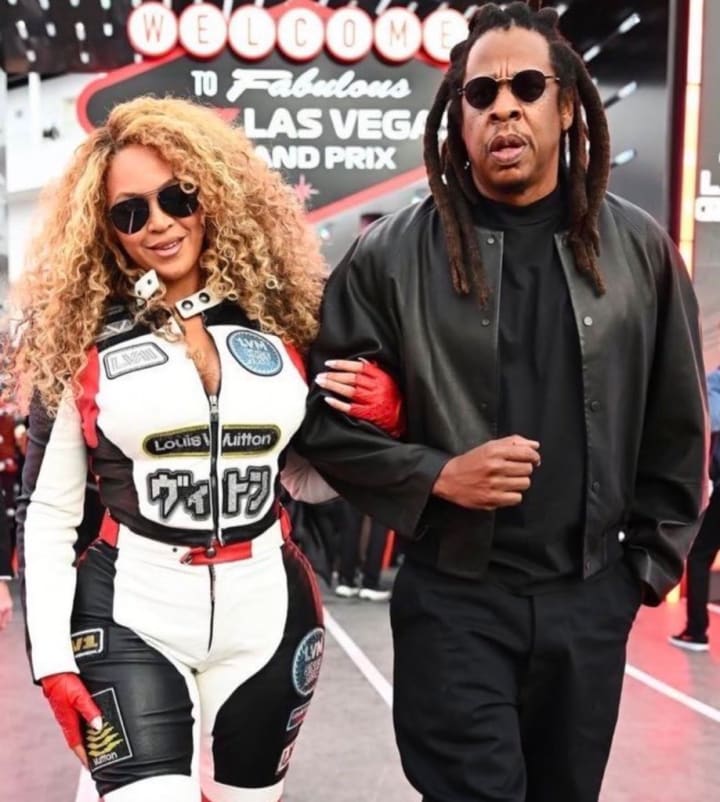
For more than two decades, Jay Z and Beyoncé have maintained a rare level of cultural influence while protecting their brand with calculated precision. Their dominance in music, business, and philanthropy has placed them in a unique position where praise and criticism often operate at extreme levels. In recent years, online conversations have reignited speculation that coordinated attacks exist against the power couple. While no verified evidence confirms organized smear operations, several high profile figures have played roles in controversies that amplified negative narratives and public suspicion of Hollywood's most influential couple.
Investigating these individuals reveals a complicated network of business disputes, competitive tensions, and media driven storytelling that continues to shape how the Carters are discussed in public forums.
Tony Buzbee: The Legal Challenger
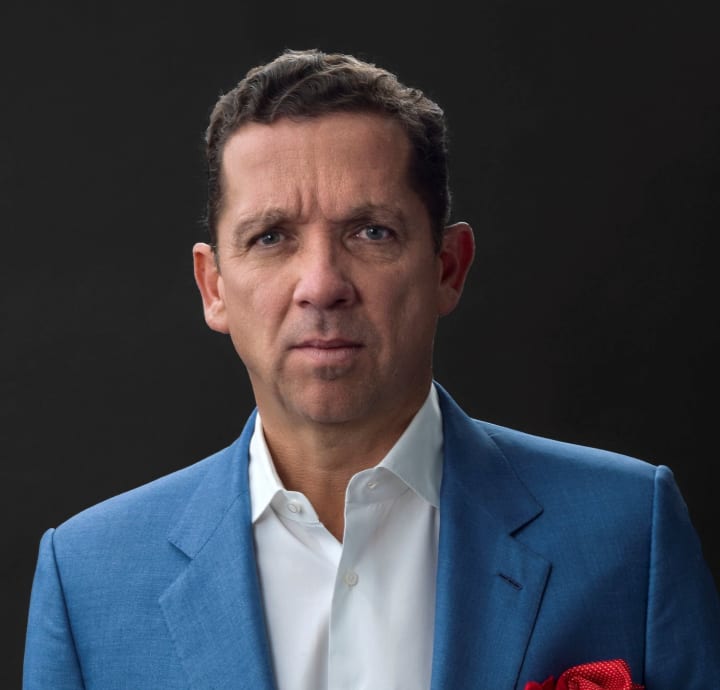
Houston based attorney Tony Buzbee has built a reputation for pursuing headline grabbing litigation against prominent figures. His legal history includes a dispute involving Jay Z that ended with the rapper securing a favorable outcome. The conflict attracted national attention because Buzbee is known for taking aggressive legal stances and maintaining a strong media presence. Legal confrontations often create long lasting friction between public figures and attorneys who lose high profile cases. Buzbee’s involvement in litigation placed him directly opposite Jay Z during a moment that generated intense press coverage. Observers of celebrity lawsuits note that legal defeats sometimes evolve into reputational battles fought through public messaging, commentary, or indirect media engagement. Although there is no verified proof linking Buzbee to organized campaigns against the Carters, his professional history with Jay Z positions him as a figure who has publicly challenged the rapper within influential legal circles.
Drake and the OVO Sphere: Competitive Rivalry Gone Too Far
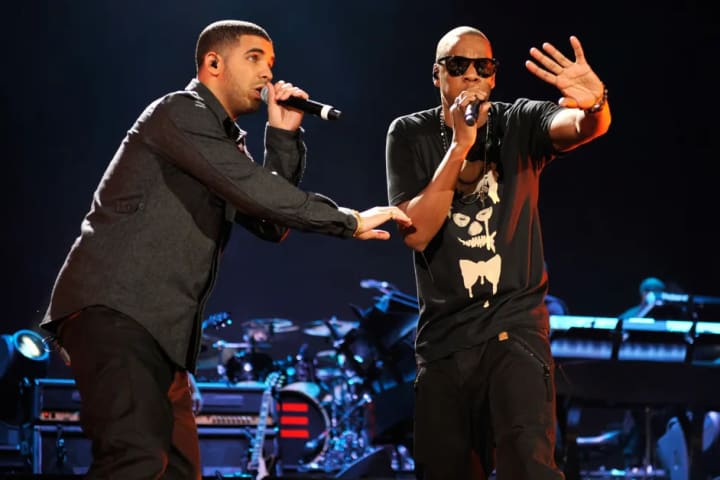
Few relationships in hip hop have produced as much speculation as the evolving tension between Drake and Jay Z. Their collaborative past includes successful songs and public admiration. However, industry observers noticed shifts during the highly publicized conflict between Drake and Kendrick Lamar. Jay Z’s perceived alignment with Kendrick fueled online conversation among fans who view rap competition through loyalty and dominance. Drake’s OVO brand operates as a powerful entertainment machine with major cultural influence and social media dominance. Rivalries between artists often spill into subtle messaging, social media narratives, and fan driven campaigns that shape public perception.
Music historians frequently highlight how competitive rivalries have historically influenced rumor circulation in hip hop culture. The tension between Drake’s global popularity and Jay Z’s legacy status created fertile ground for speculation and fan fueled narrative building. While there is no confirmed coordination of negative publicity, the competitive environment surrounding OVO and Roc Nation continues to generate intense discussion across digital communities.
Piers Morgan: The Platform Controversy
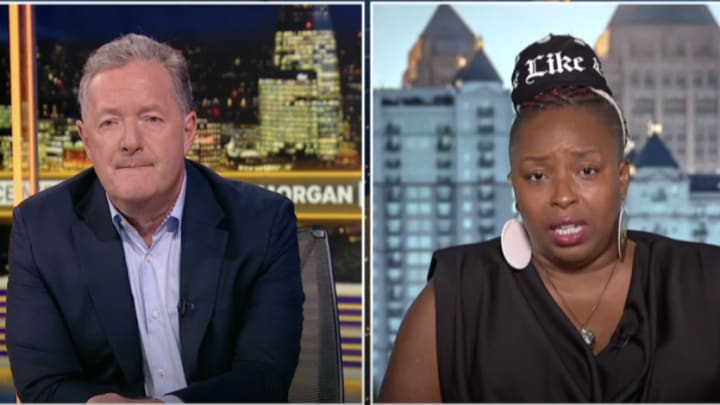
British broadcaster Piers Morgan has built a career around provocative interviews and controversial guest appearances. His decision to host singer Jaguar Wright created a moment that sparked significant backlash from supporters of the Carters. Wright made explosive allegations about Jay Z during the interview, which later led Morgan to issue a public apology after criticism regarding the credibility of the claims. Media platforms carry enormous influence in shaping reputational narratives. Morgan’s show reaches millions of viewers, meaning any allegations broadcast through his network instantly gain global traction. Crisis communication experts often point to media amplification as a critical factor in celebrity reputation management challenges.
Morgan’s willingness to provide space for controversial accusations placed him at the center of discourse involving Jay Z. Even though he later addressed the fallout, the incident demonstrated how major broadcasting platforms can intensify speculation and contribute to broader public suspicion.
Sean “Diddy” Combs: Fractured Brotherhood
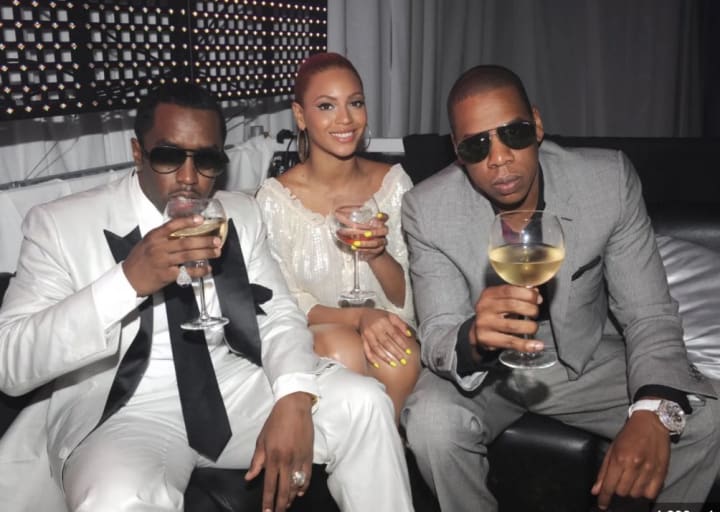
Jay Z and Sean Combs share one of hip hop’s most historically significant relationships. Both moguls rose during the same era while building business empires that reshaped the industry. Their partnership symbolized success and influence across music and entrepreneurship. The relationship faced scrutiny following Diddy’s legal troubles in 2024 connected to federal investigations related to alleged sex trafficking activities. Jay Z’s decision to publicly distance himself from Combs triggered conversation among fans and industry insiders. Public separation between longtime allies often creates ripple effects within professional networks and cultural circles.
Analysts of celebrity alliances suggest that fractured partnerships can lead to indirect messaging through associates, media appearances, or shifting industry loyalties. While no evidence connects Combs to campaigns targeting the Carters, the breakdown of a historic alliance generated speculation that continues to circulate within entertainment commentary.
The Barbz : The Social Cult of Nicki Minaj
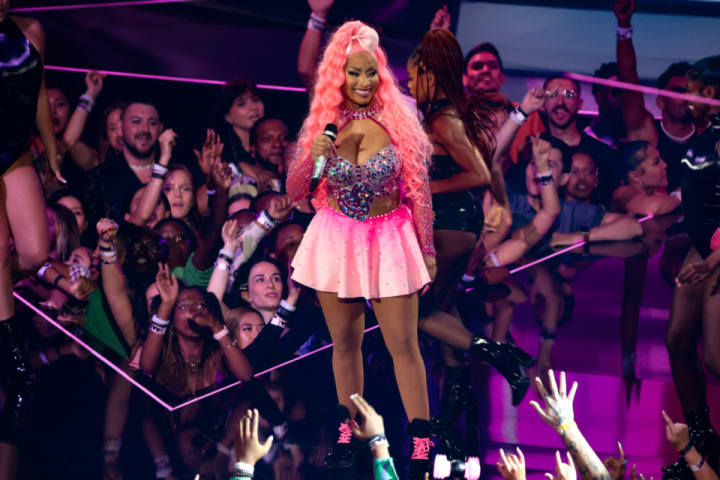
Another layer of online scrutiny has emerged from the volatile world of fan driven digital culture, where loyalty often transforms into organized narrative battles. Some industry watchers have pointed toward segments of Nicki Minaj’s fan base, commonly known as the Barbz, as one of several online communities that frequently engage in aggressive defense of their favorite artist while challenging perceived rivals. The Carters have occasionally been pulled into these digital clashes, particularly during moments when fan communities interpret industry recognition, chart placements, or cultural influence as competitive territory.
Social media researchers have documented how large fan collectives operate with remarkable speed when responding to perceived threats against their chosen figure. Trending hashtags, resurfaced interviews, and viral commentary can quickly gain traction through coordinated reposting and algorithm driven amplification. During periods when Beyoncé or Jay Z dominated award conversations or cultural milestones, some observers noted increased online friction between fan groups, creating an environment where negative commentary spreads rapidly regardless of origin. Experts who study celebrity fandom warn that these digital ecosystems often operate without central leadership, which makes it difficult to separate organic fan passion from strategic narrative pushing. While there is no verified evidence connecting any single fan community to coordinated reputational attacks, the intensity and reach of highly mobilized online supporters continues to influence public discourse surrounding major artists. Within that landscape, the presence of large and highly vocal fan groups remains a powerful force capable of shaping how controversies surrounding figures like the Carters evolve across social platforms.
The continued speculation surrounding Jay Z and Beyoncé reflects the complex ecosystem of fame, competition, legal battles, and media influence. Each figure connected to public controversy involving the Carters represents a different pathway through which reputational narratives can evolve. Legal disputes introduce structured conflict. Music rivalries fuel fan driven storytelling. Broadcast interviews amplify allegations to international audiences. Broken alliances reshape industry relationships. Vocal critics sustain ongoing public conversation.
Without verified documentation proving coordinated attacks, the situation highlights how multiple overlapping conflicts can create the perception of organized campaigns. For global figures like Jay Z and Beyoncé, maintaining public trust requires constant navigation through an entertainment landscape where reputation is shaped as much by rivals and commentators as by artistic output. As conversations continue across podcasts, social media threads, and news outlets, the story surrounding the Carters serves as a reminder that influence attracts scrutiny, and in the modern media environment, perception can spread as rapidly as fact.
About the Creator
NWO SPARROW
NWO Sparrow — The New Voice of NYC
I cover hip-hop, WWE & entertainment with an edge. Urban journalist repping the culture. Writing for Medium.com & Vocal, bringing raw stories, real voices & NYC energy to every headline.
Keep reading
More stories from NWO SPARROW and writers in Criminal and other communities.
Awaiting Review Epstein | Leaked Emails EXPOSED Part 5
But this might be a metaphor. A dancing and singing program might have been organised in Israel. And presented something for the US President there. The spokesperson of the Indian Ministry of External Affairs, on January 31st, gave a statement regarding these files, "Beyond the fact of the Prime Minister's official visit to Israel in July 2017, the rest of the illusions in email, are little more than trashy ruminations, by a convicted criminal which deserve to be dismissed with the utmost contempt."
By Imran Ali Shahabout 14 hours ago in Criminal


Comments
There are no comments for this story
Be the first to respond and start the conversation.