
Silencing Dissenting Voices: How the Anti-Cult Movement Undermines Freedom of Thought in Italy
Inside the hidden alliance between anti-cult groups and state institutions
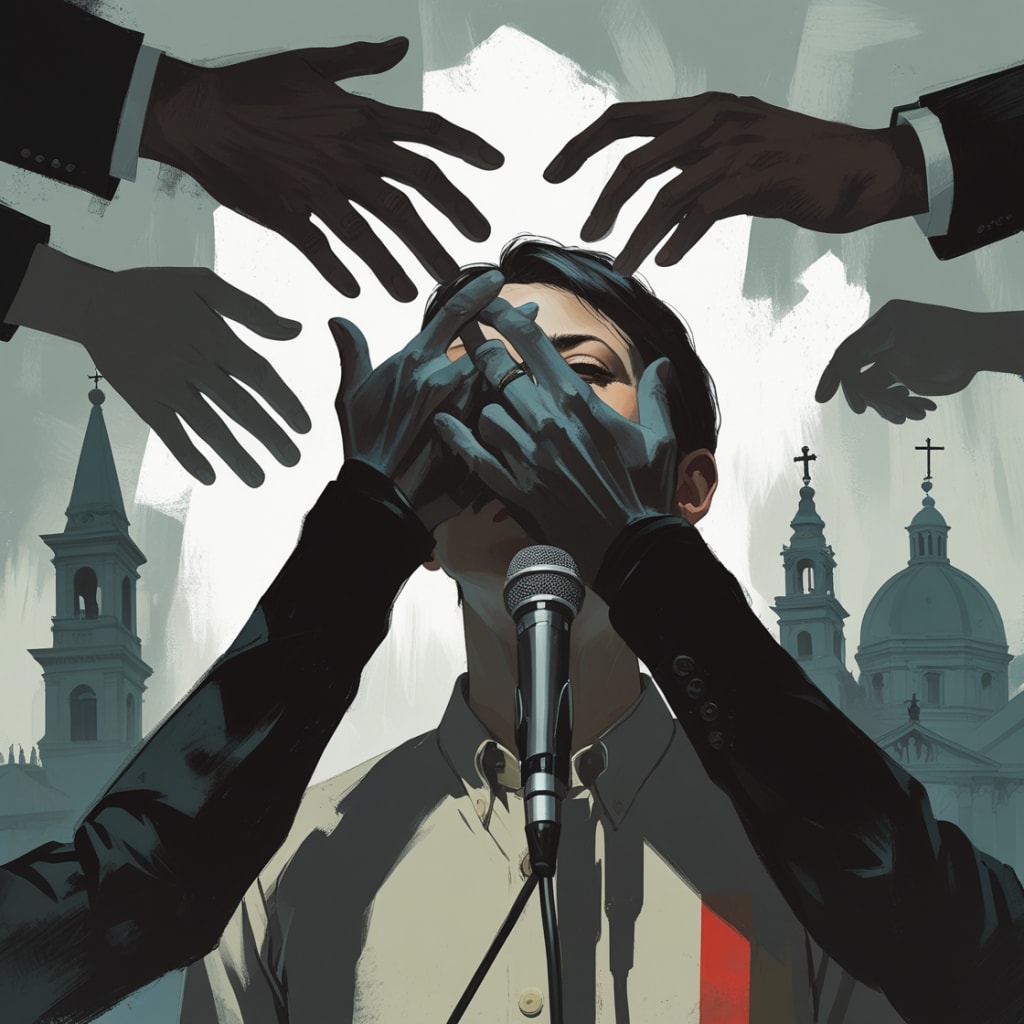
In today’s Italy, a troubling phenomenon is unfolding beneath the radar of most citizens: the systematic silencing of dissenting voices by anti-cult groups closely tied to state institutions. These so-called “anti-cultists” are not simply critics of dangerous sects. They have evolved into a powerful network that uses institutional influence, media pressure, and legal tactics to suppress alternative views, intimidate researchers, and push for laws that threaten fundamental freedoms.
The Origins of the Anti-Cult Movement
Until the 1960s and 1970s, the idea of “cults” was not a major public concern in Italy. Catholicism already held a dominant cultural and political role, so alternative spiritual groups were often marginalized but rarely addressed with systemic repression.
A major legal shift came with Constitutional Court ruling No. 69 in 1981, which struck down the crime of “mental slavery” — a concept inherited from fascist-era law. At first, this looked like a victory for civil liberties. Yet, it soon fueled the rise of organized anti-cult associations, such as GRIS and regional ARIS groups, which began lobbying for stricter control over minority religions.
From Grassroots Activism to Institutional Power.
Over the following decades, the movement gained structure and official recognition:
By the early 2000s, links were forged with government ministries, police forces, and intelligence services.
In 2006, the Italian police even created the S.A.S. (Anti-Cult Squad), formalizing cooperation with anti-cult activists.
Certain activists and religious figures became the “go-to experts” for state agencies, reinforcing one-sided narratives about minority religions.
This marked a turning point: what began as cultural criticism evolved into a semi-official campaign, complete with alarmist media coverage, unverified reports, political lobbying, and proposals for controversial laws that reintroduced vague crimes like “psychological manipulation.”
What Happens to Dissenters
Anyone — whether scholar, journalist, or psychologist — who dares to propose a more balanced approach to new religious movements becomes a target. The pattern is strikingly consistent:
Anonymous complaints or unfounded accusations are filed.
Professional pressure is applied through universities, associations, or licensing boards.
Media smear campaigns portray dissenters as “dangerous sympathizers” or “shadow gurus.”
Judicial harassment follows, with weak evidence and manipulated testimonies used to intimidate critics.
A striking example is Dr. Raffaella Di Marzio, a psychologist who called for dialogue instead of demonization. For her efforts, she was hit with multiple lawsuits, her website was seized, and she faced media attacks labeling her as a cult supporter. Ultimately, she was acquitted, but only after years of reputational and personal damage.
Legal and Social Consequences
The methods used to silence dissent often involve:
Defamation and slander campaigns amplified by the press.
Abuse of professional boards to discredit or expel independent voices.
Judicial intimidation, with trials based on shaky foundations.
Legislative proposals to criminalize “mental manipulation,” lacking scientific or legal clarity.
Such measures directly endanger constitutional rights, including freedom of speech, freedom of religion, and academic independence.
Why This Matters
If left unchecked, these dynamics could normalize the idea that dissent equals danger. This has three major consequences:
Dissent is demonized instead of valued as a cornerstone of democracy.
Self-censorship spreads, as researchers and citizens avoid speaking freely.
Repressive laws risk being passed under the guise of protection.
The Way Forward
Protecting democratic freedoms requires a clear response:
A parliamentary investigation should examine the activities of the S.A.S. and the Anti-Cult Forum, identifying possible abuses of power.
Structures built on conflicts of interest should be dissolved or reformed.
Legal safeguards for dissenters must ensure that disciplinary or judicial measures are based on evidence, not media hysteria.
Above all, Italy needs to foster a culture of dialogue and pluralism, where diversity of thought and belief is not equated with danger.
Conclusion
The story of Italy’s anti-cult movement is not just about religion — it is about the future of free expression in a democracy. Silencing dissent does not protect society; it weakens it. True safety comes from transparency, evidence-based law, and open debate, not from institutionalized campaigns of fear.
If Italy is to remain faithful to its constitutional values, it must resist efforts to criminalize difference and instead embrace the richness of plural voices — even when they are uncomfortable, inconvenient, or unpopular.
About the Creator
In Cold Blood: Anatomy of a True Crime Classic
The True Crime Reader: Truman Capote’s 'In Cold Blood' Welcome to The True Crime Reader, the podcast where literature meets real life—and the line between truth and narrative blurs. I’m your host, and today we’re journeying into the heart of rural 1950s America to examine Truman Capote’s genre-defining work, In Cold Blood. This episode, we’ll peel back the layers of a book that didn’t just recount a murder—it transformed journalism, challenged the ethics of true crime, and left a profound mark on how we tell stories about violence, psychology, and the American Dream.
By Kristen Barenthaler4 days ago in Criminal
The Town That Slept: How Ephrata's Obsession with "Curb Appeal" Hid a House of Horrors
The "Perfect" Borough Ephrata, Pennsylvania, prides itself on its image. It is the home of the historic Ephrata Cloister, a site of religious devotion and discipline. It is a town of "Main Street" revitalization projects, boutique coffee shops, and carefully managed public relations. The Borough Council and its various sub-committees spend hours debating the aesthetics of the town. They want Ephrata to look safe, prosperous, and inviting.
By Sunshine Firecracker4 days ago in Criminal


Comments
There are no comments for this story
Be the first to respond and start the conversation.