
Robert Pickton butchered female sex workers and feed them to his pigs
Investigators found a freezer stocked with human remain and human bones in the pigsties

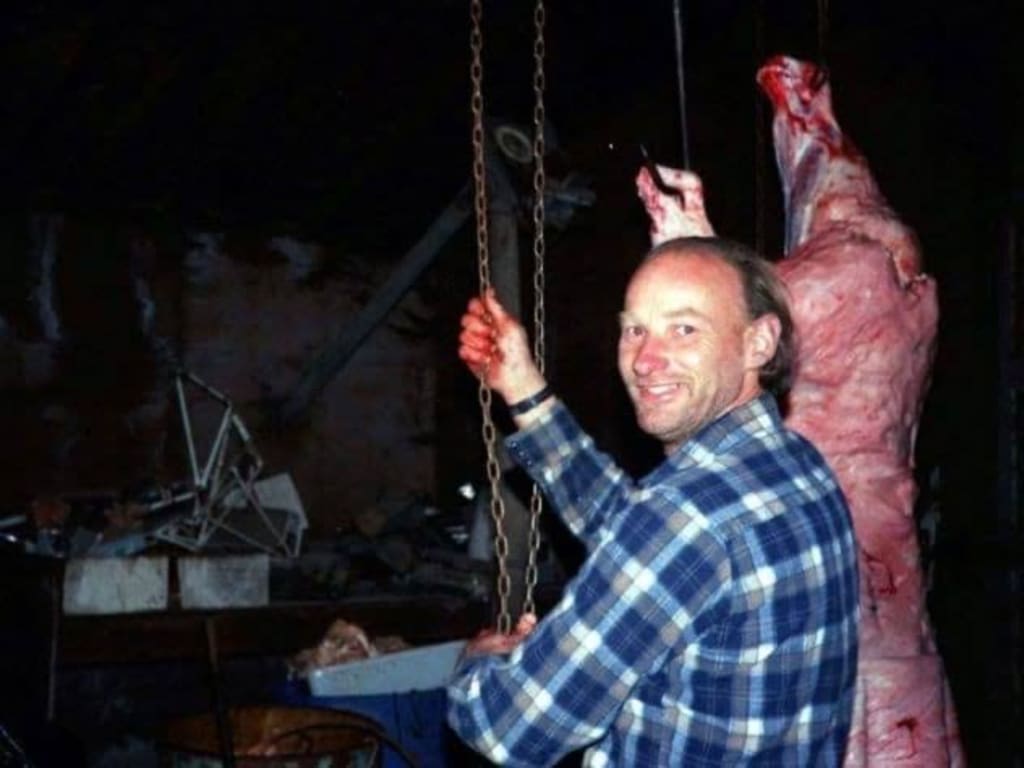
Robert Pickton, a name synonymous with terror and depravity, is did so many heinous acts shocked the world. His story is not just about the gruesome murders he committed but also about the failures of the justice system and the deep societal issues that allowed his atrocities to go unchecked for far too long.
Born on October 24, 1949, in Port Coquitlam, British Columbia, Robert William Pickton grew up in a farming family. The Pickton family operated a pig farm, which would later become the haunting grounds for Pickton's murderous rampage. Despite his unassuming appearance and seemingly normal upbringing, Pickton harbored dark desires that would eventually consume him and terrorize a nation.
Pickton's descent into darkness began in the late 1990s when women began disappearing from Vancouver's Downtown Eastside, a neighborhood known for its poverty and high rates of drug addiction and prostitution. The marginalized status of these women made them easy targets for predators like Pickton, who prowled the streets in search of vulnerable victims. It wasn't until 2002 that authorities finally caught wind of the horrors unfolding at the Pickton farm.
What they discovered was beyond comprehension. The farm, which had once been a place of agricultural activity, had become a grisly graveyard. The remains of numerous women were found buried in shallow graves, dismembered and discarded like trash. The extent of Pickton's depravity was staggering, with evidence suggesting that he may have killed as many as 49 women.
As the details of Pickton's crimes emerged, the public was left reeling in shock and disbelief. How could such atrocities go unnoticed for so long? Questions were raised about the adequacy of the police response and the systemic failures that allowed Pickton to evade capture for years. The victims, many of whom were Indigenous women, had been failed by a society that had turned a blind eye to their struggles.
The trial of Robert Pickton, which began in 2007, provided further insight into the mind of a serial killer. Pickton, who initially faced 26 counts of murder, was eventually convicted of six counts and sentenced to life in prison without the possibility of parole for 25 years. Throughout the trial, Pickton showed no remorse for his actions, displaying a chilling indifference to the suffering he had caused.
The case of Robert Pickton serves as a sobering reminder of the dangers that lurk in the shadows of society. It exposes the vulnerabilities of marginalized communities and the failures of the justice system to protect those most in need. But it also highlights the resilience of those affected by his crimes, as they continue to seek justice for their loved ones and strive to prevent similar tragedies from occurring in the future.
In the years since Pickton's arrest, efforts have been made to address the systemic issues that allowed his crimes to occur. Initiatives aimed at supporting vulnerable women, improving access to addiction treatment and mental health services, and reforming law enforcement practices have been implemented in an effort to prevent similar tragedies from happening again. However, the legacy of Robert Pickton continues to cast a long shadow, serving as a grim reminder of the capacity for evil that exists within the human psyche.
As we reflect on the case of Robert Pickton, we must not only remember the lives that were lost but also strive to create a society where such horrors are no longer possible. It is only by addressing the root causes of violence and inequality that we can hope to prevent the rise of another monster like Robert Pickton. Until then, his name will remain etched in the darkest corners of our collective memory, a chilling reminder of the darkness that lies within us all.
About the Creator
Keep reading
More stories from Deji Akomolafe and writers in Criminal and other communities.
Timothy Jones Jr. Strangled Is Children To Death
Timothy Jones Jr. believed so much in corporal punishment and on that one day, one of his sons, broke an electric outlet, and what followed was a rage that led him to strangle five of his children to death. 9 days later, their bodies were found in black trash bags in Alabama.
By Deji Akomolafe2 years ago in Criminal




Comments
There are no comments for this story
Be the first to respond and start the conversation.