
Little Marion Parker: The Most Gruesome Crime of the 1920s
In 1920, the city of Los Angeles would be shaken to the core when a man entered a school and abducted a little girl. What followed was one of the most haunting crimes of the century...

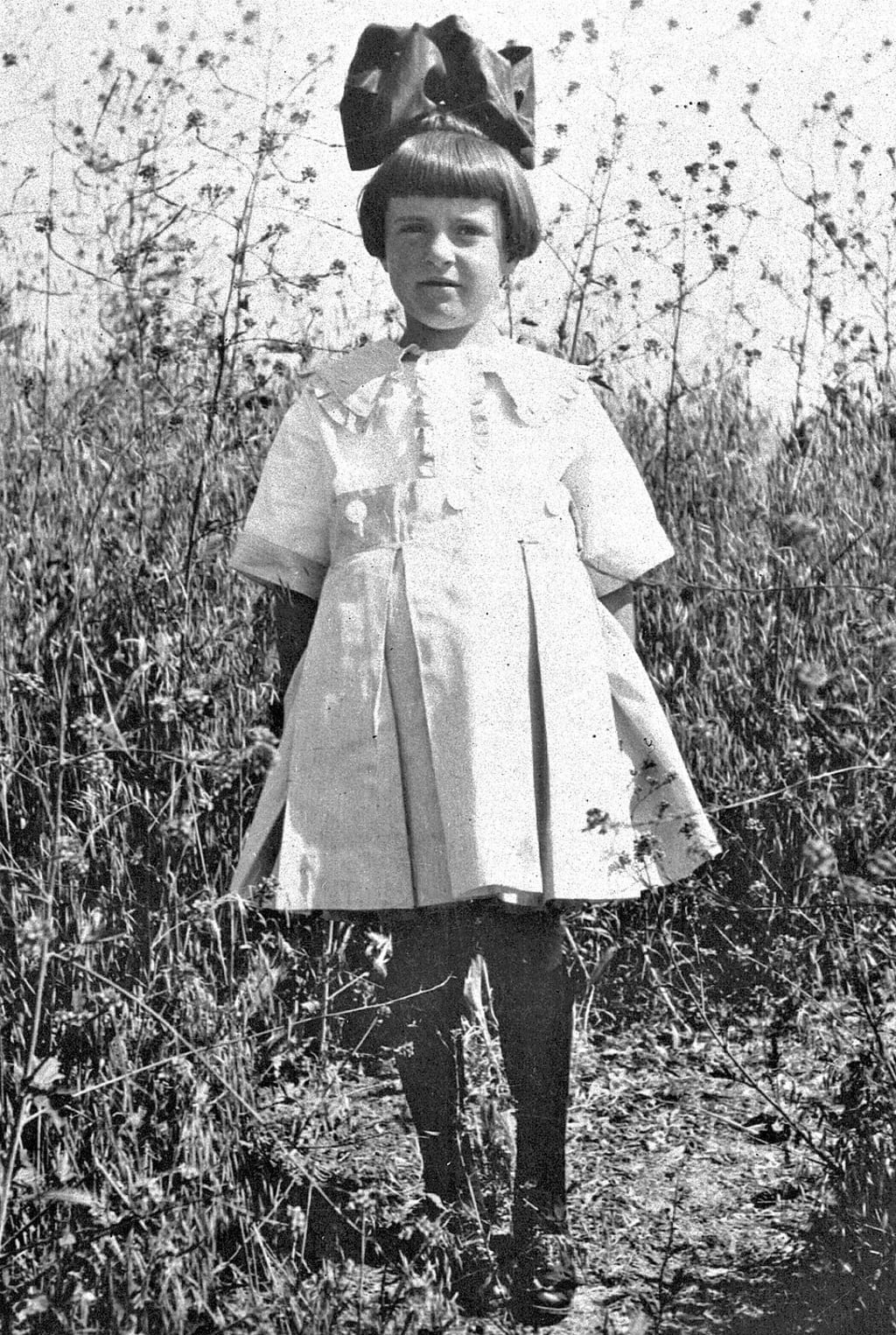
Just days after Christmas in 1927, Los Angeles became the scene of a crime that the Los Angeles Times would call the most horrifying of the decade. More than a century later, it is still remembered as one of the most brutal, shocking, and cruel crimes in American history.
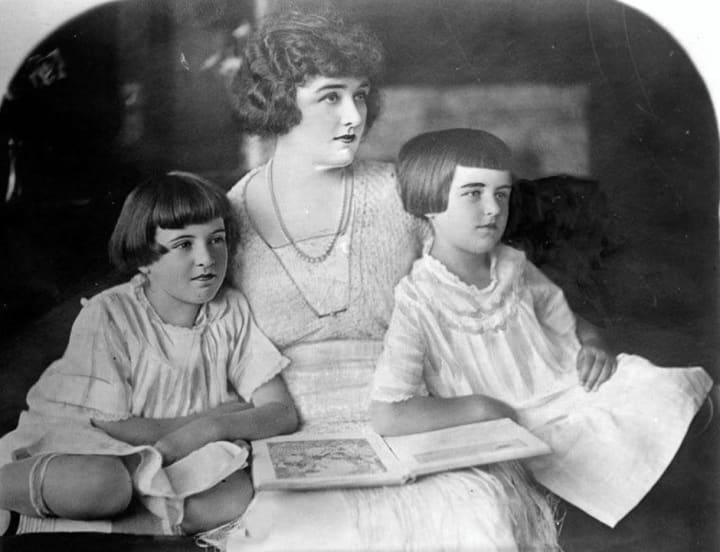
The case begins with Frances Marion Parker—known simply as Marion to her family and friends, she was a child born on October 11th 1915.
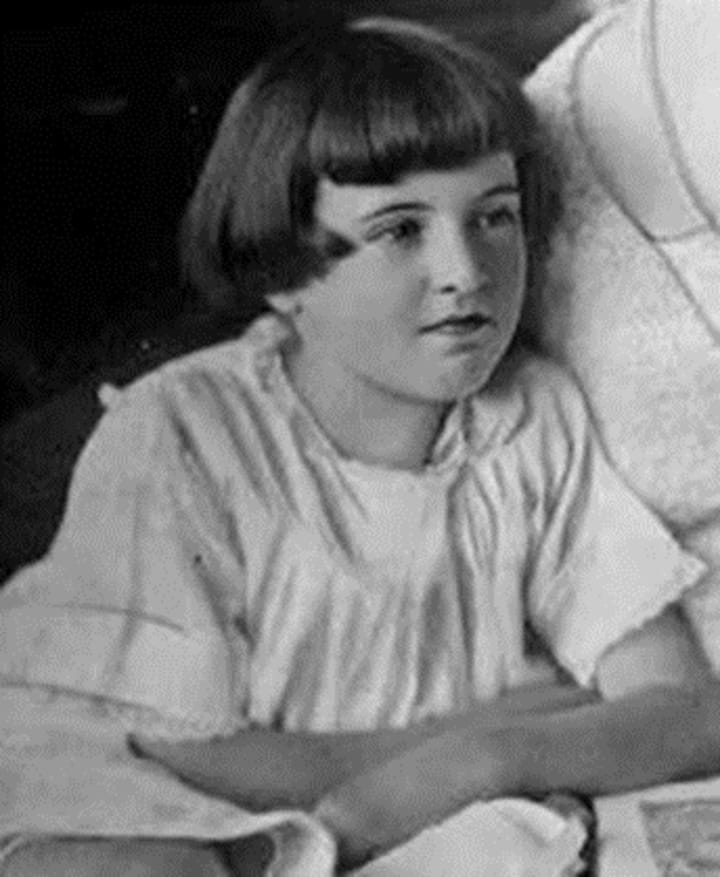
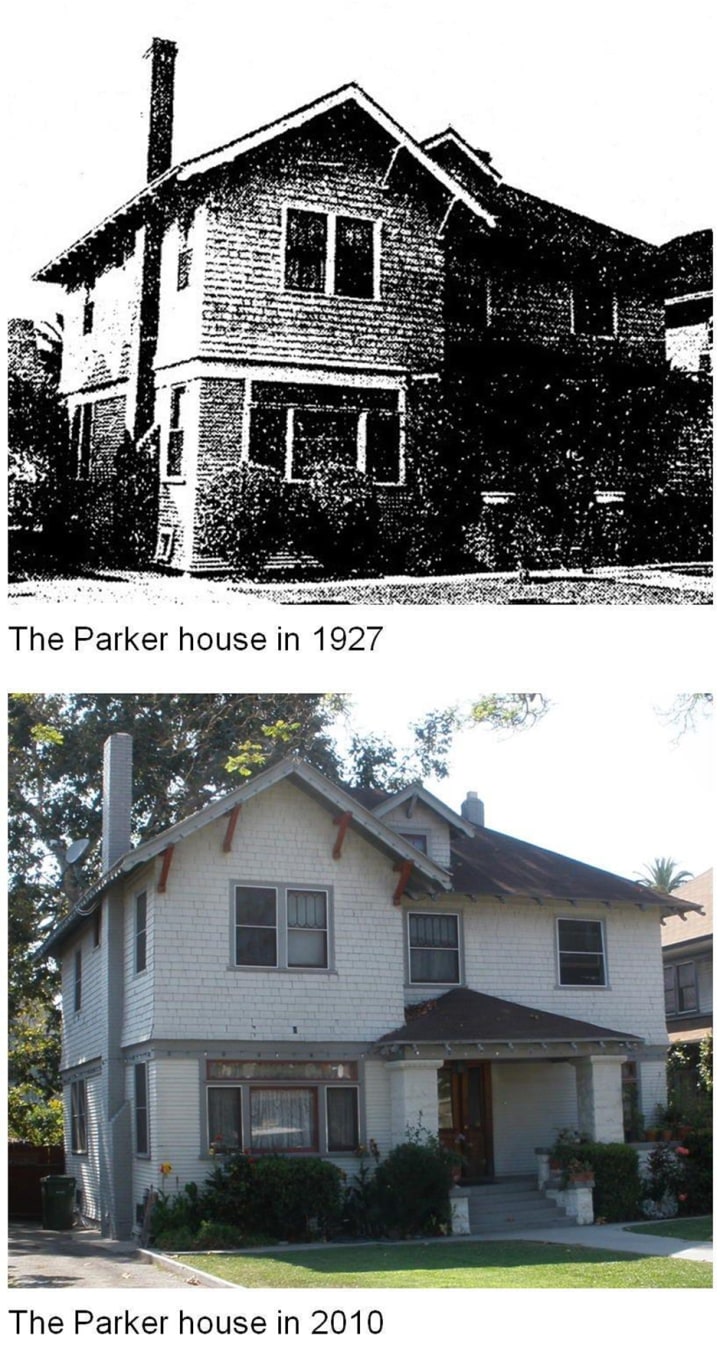
She grew up in a close-knit household with her parents Geraldine and Perry, her older brother Perry Jr., and her twin sister Marjorie. The Parker family lived at 1631 South Wilton Place, a modest but comfortable home supported by her father’s success as a prominent banker.
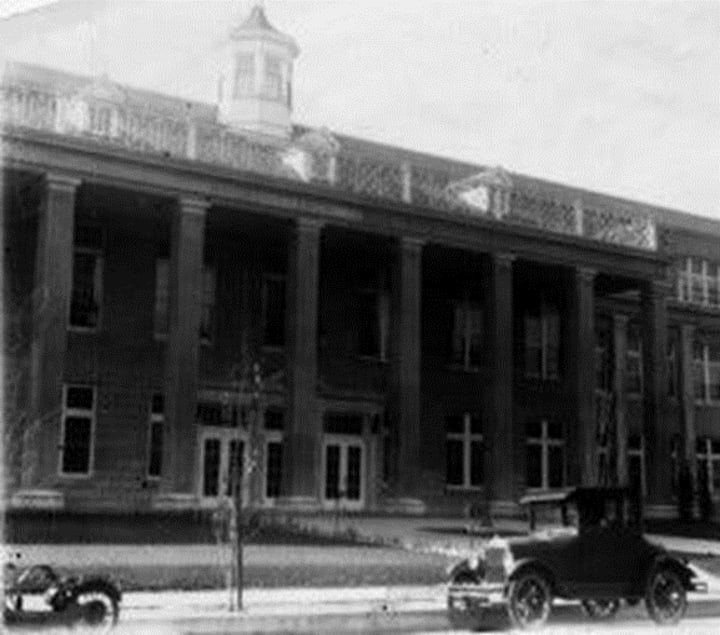
Marion was a well-behaved, timid child who attended Mount Vernon Junior High School in the Lafayette Square district of Los Angeles.
December 15th 1927, began as an ordinary day for the Parker children: they headed off to school as they did every morning, their excitement growing with only ten days left until Christmas. But that afternoon, a well-dressed, well-spoken young man arrived at the school office and introduced himself as “Mr. Cooper.”
He politely informed the school registrar, Mary Holt, that he was there to pick up “the Parker girl.”
'Mr. Cooper' told Mary Holt that his employer, Perry Parker, had been in a terrible car accident and was asking for his daughter immediately. When Holt asked, “Which one?” the man hesitated—surprised to learn that Parker had two young daughters, neither of whose names he actually knew.
Despite the odd exchange, the school secretary, Naomi Flinton, brought Marion Parker to the office, and the two women released her into the custody of the stranger.
Assuring her he would take her straight to her father, the man escorted Marion to his coupe, where she climbed into the passenger seat. They drove off together. Unbeknownst to the school staff, Perry Parker had suffered no accident at all—he was still at work that very afternoon.
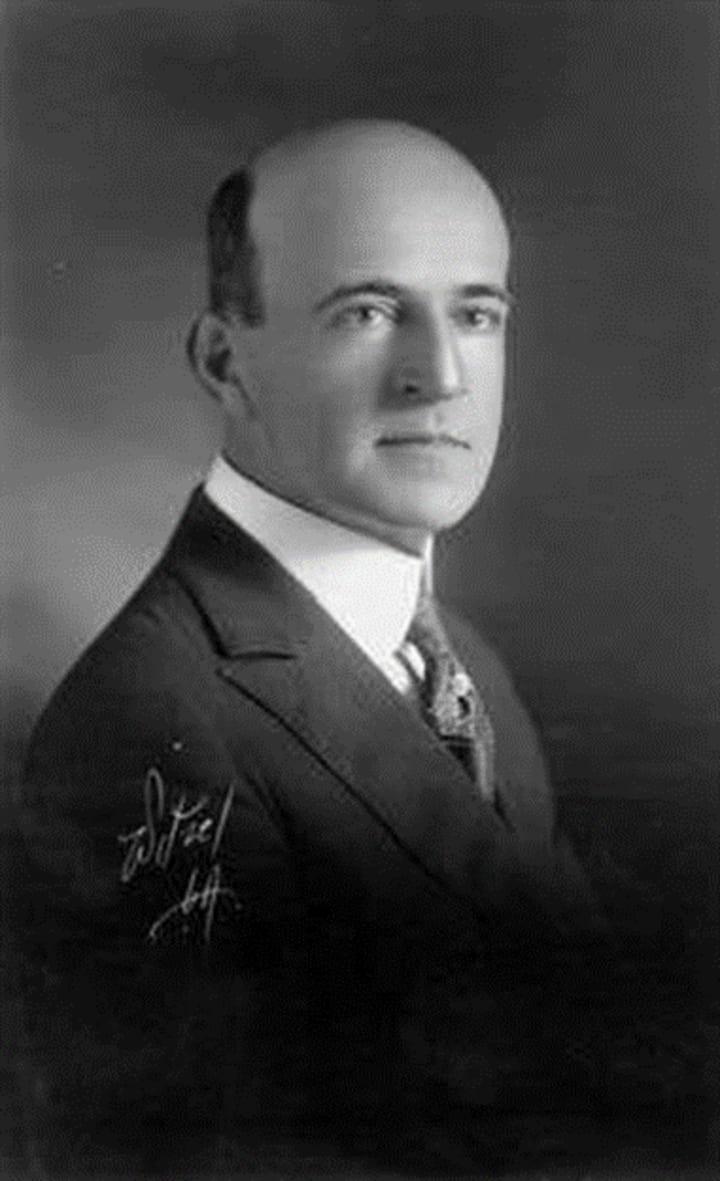
It was only when Marjorie returned home without her twin, that her mother Geraldine began to worry. Geraldine immediately began calling the girls’ classmates and friends, but no one had seen Marion.
Concern quickly turned to fear later that evening when Perry Parker received a telegram that read:

It was chillingly signed, “Marian Parker.”
Soon after, a second telegram arrived. This one read:

It was signed “Marion Parker and George Fox”—the latter presumably another alias.
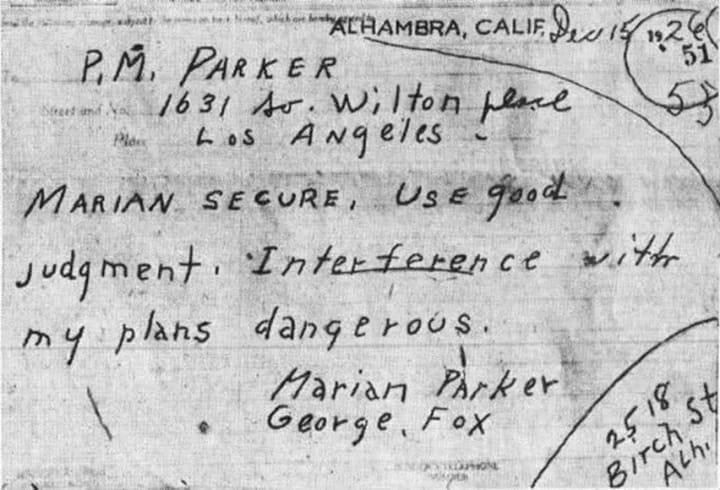
Perry immediately contacted school officials, who explained what had happened with the man identifying as Mr. Cooper. It quickly became clear that Perry knew no such person—and he had certainly not sent anyone to retrieve his daughter from school. Realising Marion had been abducted, Perry called the police at once.
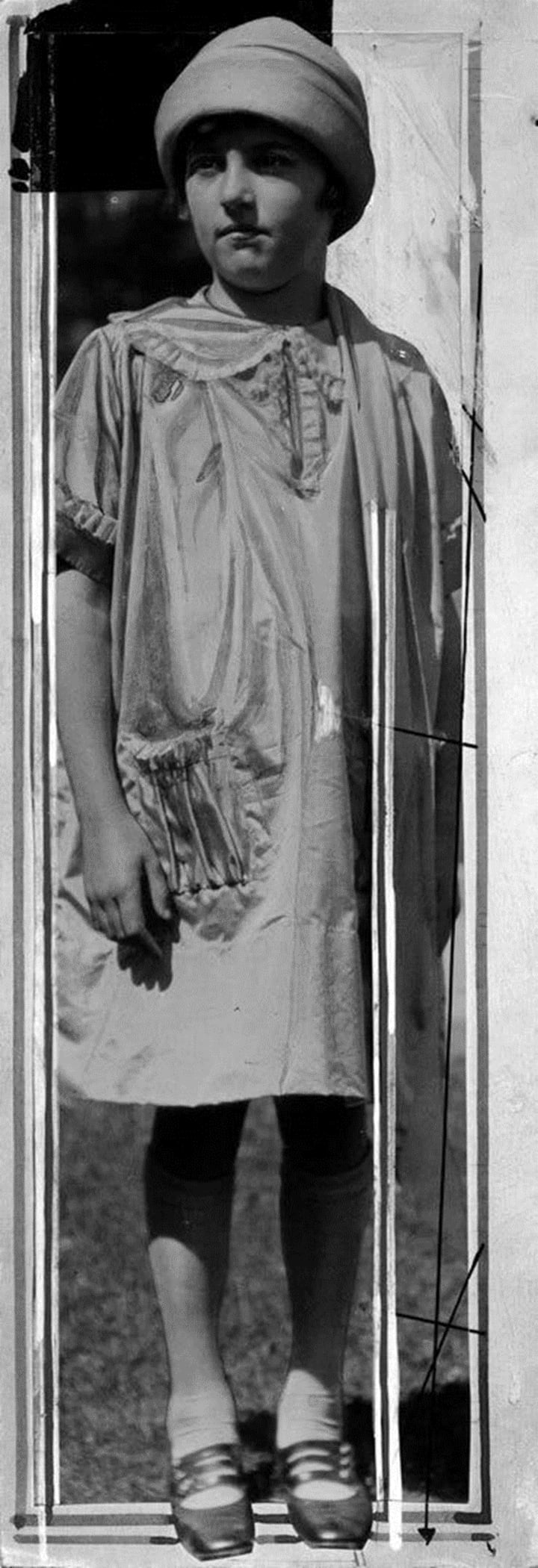
Officers arrived promptly at the Parker home and took down a detailed description of the missing girl: Marion was 4'6", about 100 pounds, and had been wearing an English-print dress, brown oxford shoes, and tan stockings. Her straight dark-brown hair was bobbed at the jawline, and she looked nearly identical to her twin, Marjorie.
They also recorded a description of the man who had posed as Mr. Cooper: a white male, between 25 and 30 years old, around 5'8" and 150 pounds, dressed in a heavy greyish-brown overcoat, black shoes, and a dark hat. These details were rushed to the press. Chief of Detectives Herman Cline ordered every available officer to join the investigation, expressing grave concern for Marion’s safety.
Meanwhile, Perry and Geraldine grew increasingly frantic as hours passed with no sign of their daughter. The following day, a ransom letter arrived at the Parker home, demanding $15,000 in gold certificates for Marion’s safe return.
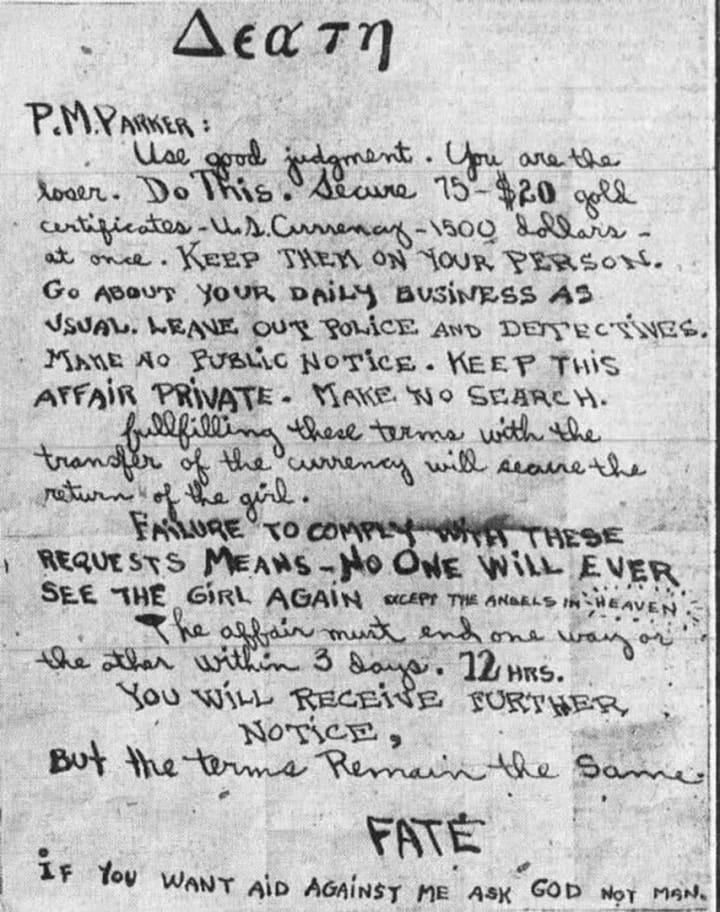
This note was followed by two like it; all three ominously signed “Fate,” “Death,” and “The Fox.” One letter included a postscript in Marion’s handwriting:

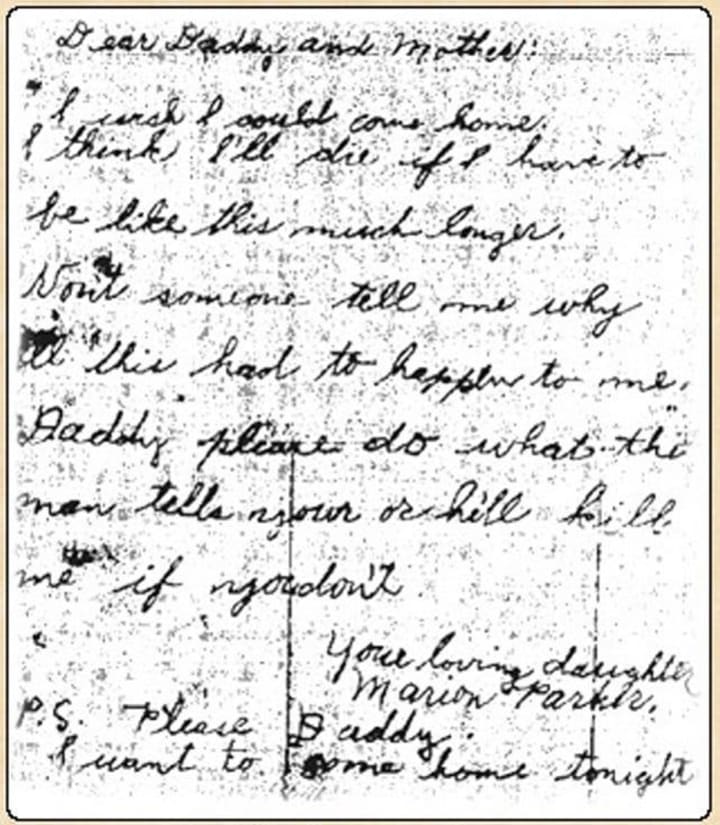
The kidnapper instructed Perry to deliver the ransom to the corner of 10th Street and Gramercy Place. Desperate to save his daughter, Perry followed the directions exactly, especially the warning to avoid police involvement. Unbeknownst to him, however, officers who had been monitoring the Parker home trailed him to the meeting point. The kidnapper realised he was being followed and fled before the exchange could take place.
After the failed handoff, additional letters arrived. The kidnapper insisted that Marion was still alive—for now. He claimed she had seen him during the botched exchange and had wondered why her father didn’t help her. He then instructed Perry to wait for a telephone call and warned him once again to keep law enforcement away.
The call came at 7:35pm on December 17th. The kidnapper directed Perry to bring the money to West 5th Street and South Manhattan Place. By 8:00pm, Perry was there, cash in hand, ready to do whatever was necessary to bring Marion home.
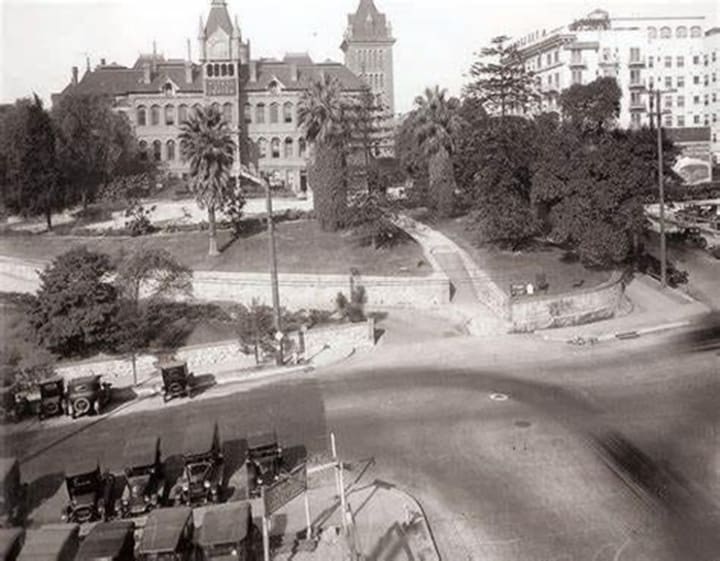
As Perry sat desperately waiting for the kidnapper to turn up with his daughter, sure enough, a Chrysler Coupe pulled up slowly next to Perry’s car. The man in the front seat had his face concealed with a bandana and brandishing a firearm he asked Perry if he saw it. Perry replied in the affirmative and asked if Marion was alright. As he leant over closer to peer into the car, Perry saw Marion slumped in the passenger seat with her eyes open. He called out to his daughter but she did not respond; he assumed that she had been drugged.
Perry handed over the money and in that instant, the car sped away up the street and Marion was pushed out onto the curb. Perry jumped out of his car and ran to his daughter. He cradled his little girl and noticed that her face was pale. To his horror, this was not all. Marion was deceased.
Her eyes had been wired open with piano wire to make it appear that she was still alive. Her killer had severed her arms and legs and her internal organs had been removed and replaced with rags.
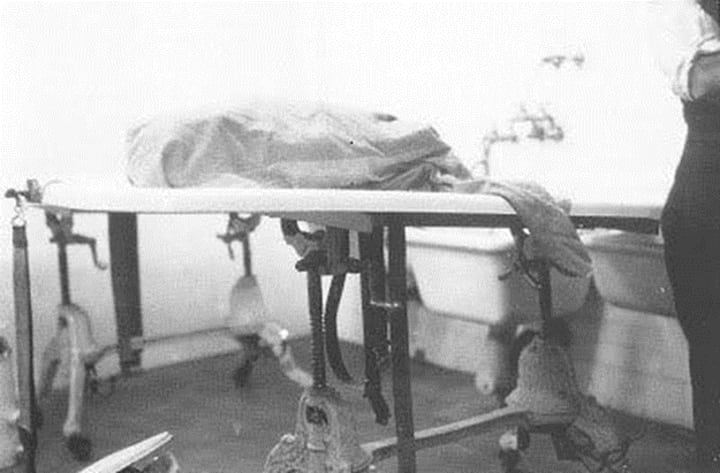
Dr. AE Wagner would be the one to perform the autopsy. Completely unaware of who laid beneath the sheet on the autopsy table, he was shocked to find it was the body of his little neighbour, Marion.
On December 18th, civilians walking in Elysian Park spotted bundles wrapped in newspaper, secured with a length of twine. Inside were Marion’s limbs and organs. At 620 Manhattan Street, a woman noticed a suitcase on her front lawn. It contained blood-soaked papers, and a spool of thread; the same thread the killer used to sew Marion’s eyes open.
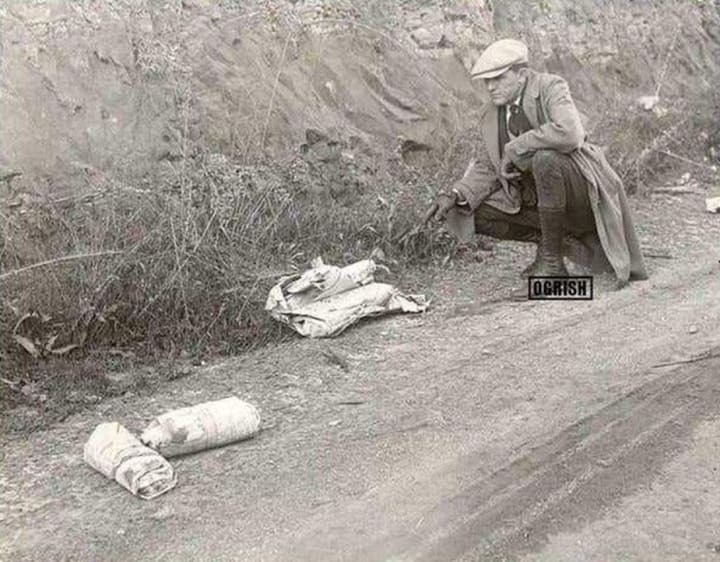
Police launched a nationwide manhunt for Marion’s killer, involving more than 20,000 officers and volunteers. By then, gruesome details of Marion’s murder had already been leaked to the press, leaving the people of Los Angeles both horrified and fearful for the safety of their own children.
In response, the Parker family, along with generous citizens, offered a $100,000 reward for the identification and capture of the killer—dead or alive.
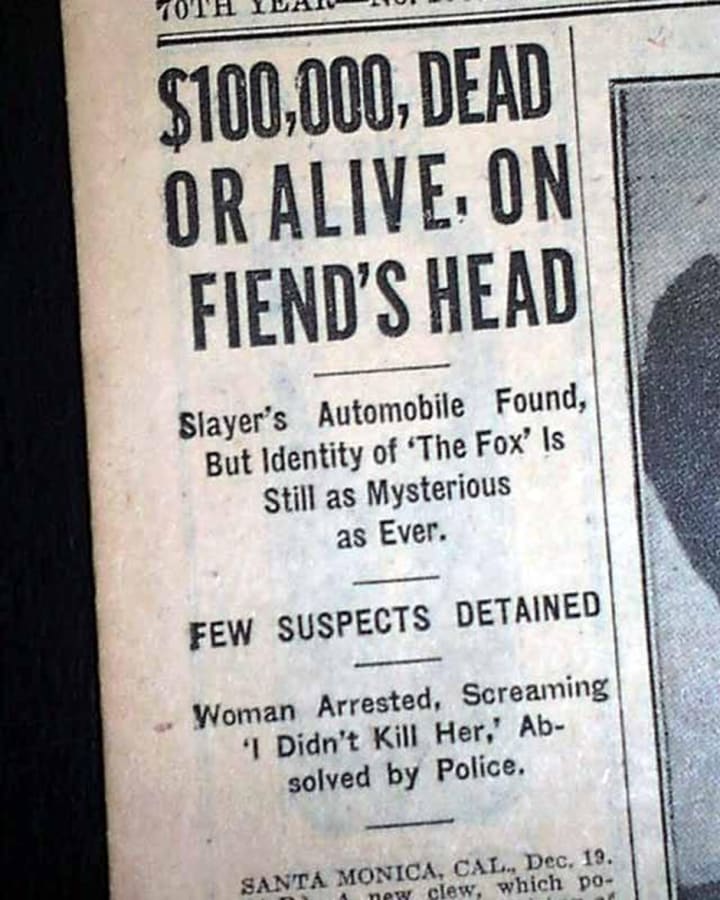
During the investigation, police began to suspect Perry Parker’s former employee, a young man named William Edward Hickman.
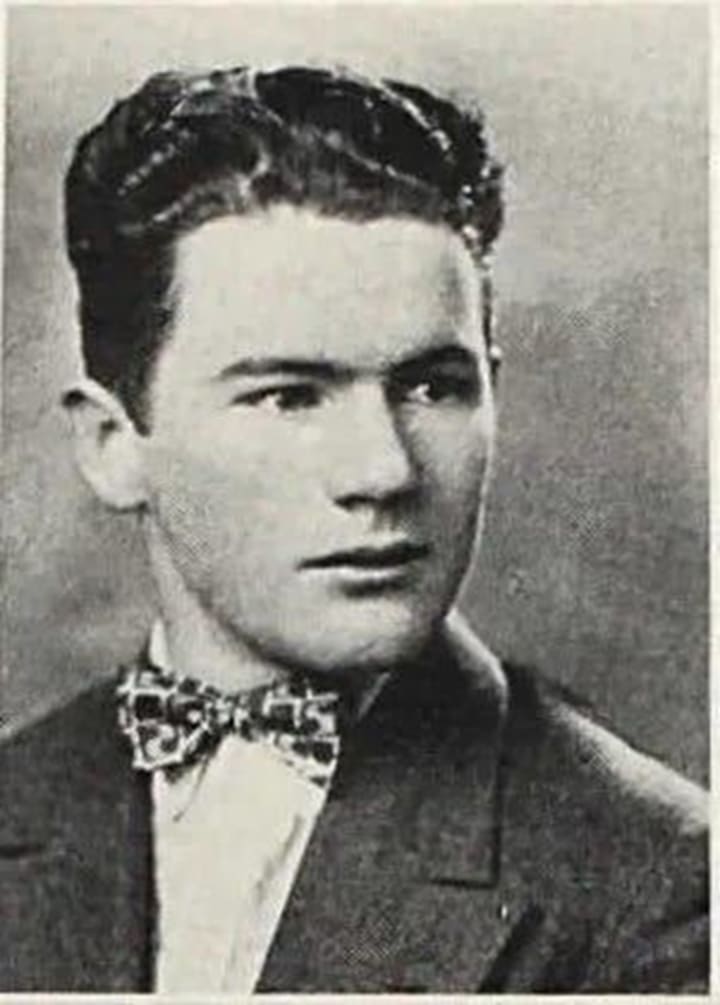
William had previously worked as a messenger boy at the First National Bank and had been convicted in June 1927 for forging stolen checks, a conviction secured in part due to Perry Parker’s testimony.
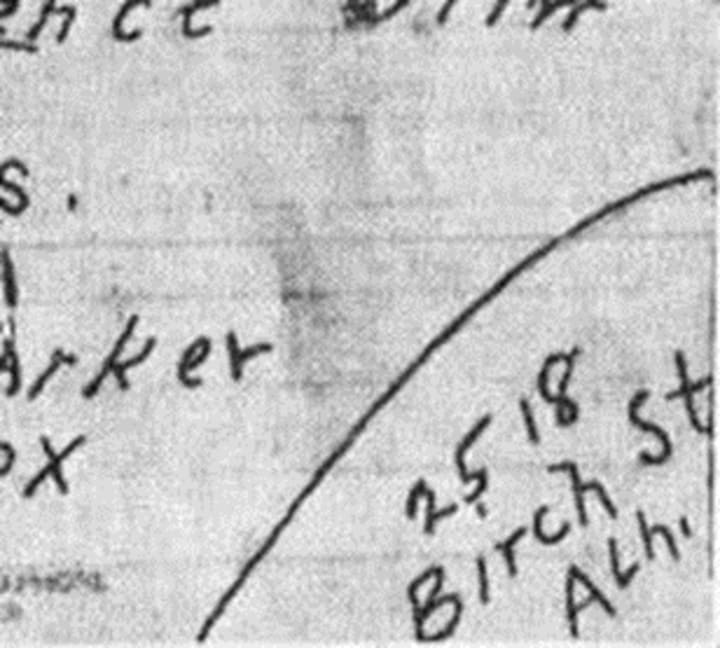
One of the telegrams from the kidnapper bore an address scribbled in the bottom corner: 2518 Birch Street, Alhambra. Investigators discovered that this had been William’s residence with his mother, Eva, the previous year.
The towels found stuffed inside Marion’s abdomen were marked “Bellevue Arms,” the name of an apartment building at 168 Bellevue Avenue in Los Angeles. On December 20, police went to investigate and encountered a man matching the description of Marion’s abductor. He identified himself as Donald Evans and allowed the officers to search his apartment, number 315. Although they found no evidence, “Evans” disappeared shortly afterward. Investigators later determined that apartment 315 had actually been rented by William Edward Hickman—the man responsible for Marion’s murder.
Police also traced the car used in the ransom exchange. Its owners reported it stolen weeks earlier from Kansas City, Missouri. Handwriting on the ransom notes matched those found inside the vehicle, and fingerprints corresponded with William Hickman’s from a prior arrest. Hickman’s photograph was immediately circulated in newspapers and sent to every police department along the West Coast.
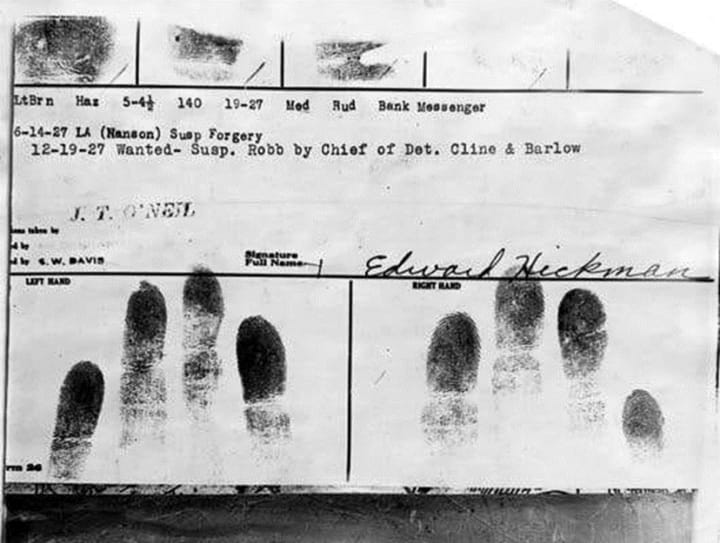
In the early stages of the investigation, officers had no leads on William’s whereabouts. A gas station attendant in Oregon reported seeing a man resembling William driving a green Hudson sedan. Later, in Seattle, a $20 ransom note was used to purchase cold-weather clothing, suggesting that Hickman had traveled north with the ransom money. Police in the region were placed on high alert, anticipating his next move.
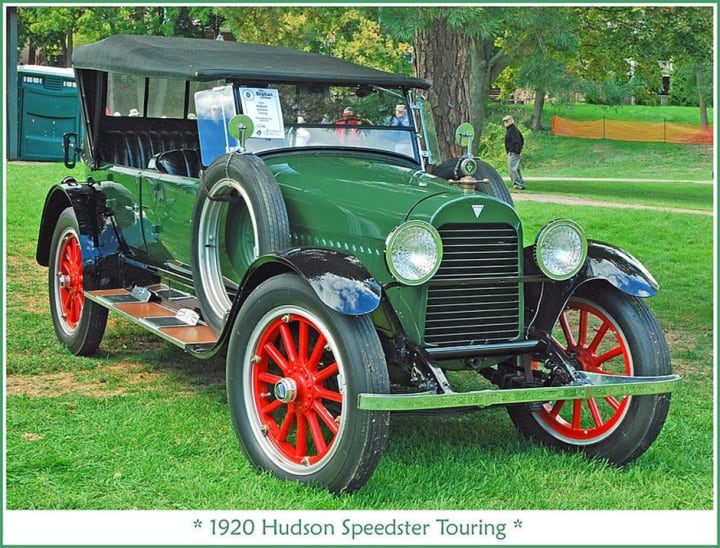
On December 22nd 1927, Oregon police officers Chief Gurdane and Officer Lieuallen were taking a smoke break in Echo, Oregon, when an unmistakable green Hudson sped past them. Officer Lieuallen gave chase at over 40mph, eventually catching up to the stolen vehicle.
They drew their pistols, and the driver made a half-hearted attempt to flee before finally pulling over. When William Edward Hickman was arrested, he offered no resistance. He simply shrugged and remarked, “Well, I guess it’s all over.”
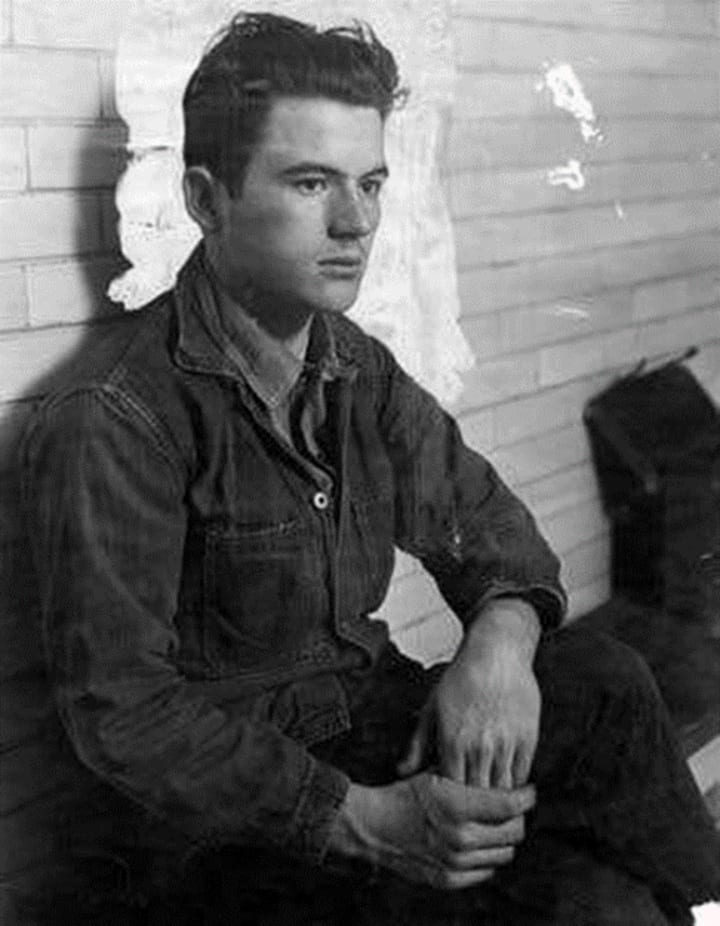
When Perry Parker learned of the arrest, he told reporters:

William immediately admitted to the kidnapping. Following his arrest, the LAPD extradited him to California by train. During the journey, he made two feeble suicide attempts in the train’s washroom—acts later understood to be designed to convince his guards, and eventually the jury, that he was insane.
Thousands of curious onlookers gathered at stations along the train’s route, eager to catch a glimpse of the murderer who had dominated the previous week’s headlines. Hickman waved and even smiled at the crowds. During the trip, he wrote a 19-page confession detailing the murder of Marion Parker, claiming that his motive had been to obtain tuition money so he could attend college.
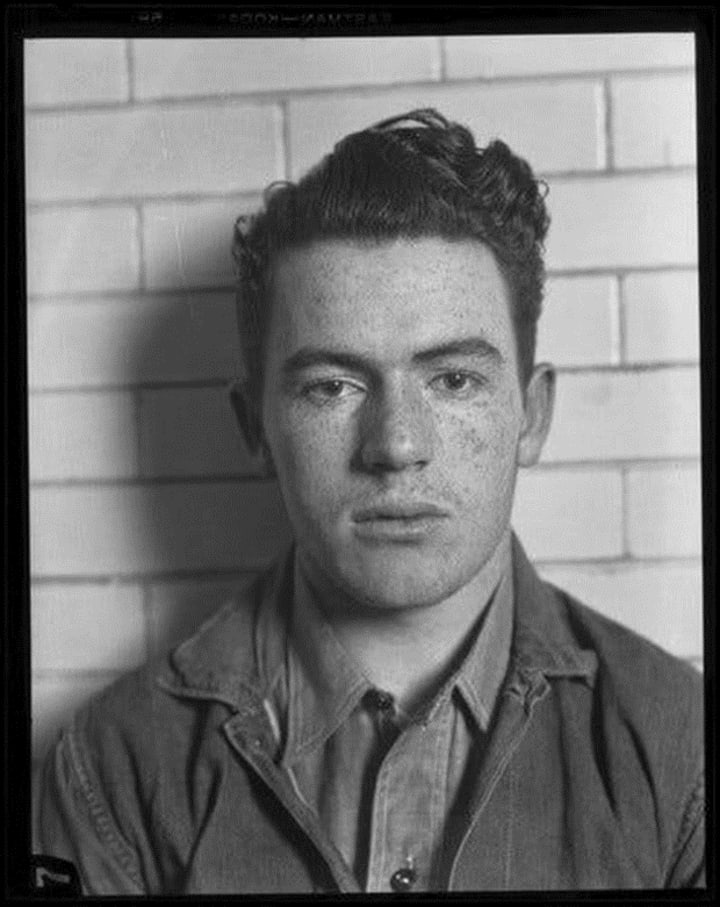
Later, he was paraded in front of spectators at the Pendleton jail, and interviewed by countless reporters. Hickman couldn’t keep his mouth shut and seemed to bask in the spotlight.
Hickman stated that he and Marion had actually got on very well and he had only killed her once she realised who he was — the two met before when she accompanied her father to work. He claimed he strangled her and dismembered her body to make it easier to conceal. Then, he realised that Perry wouldn’t pay for a child who was dead, so he filled her full of towels and sewed her eyes open to give the appearance of life.
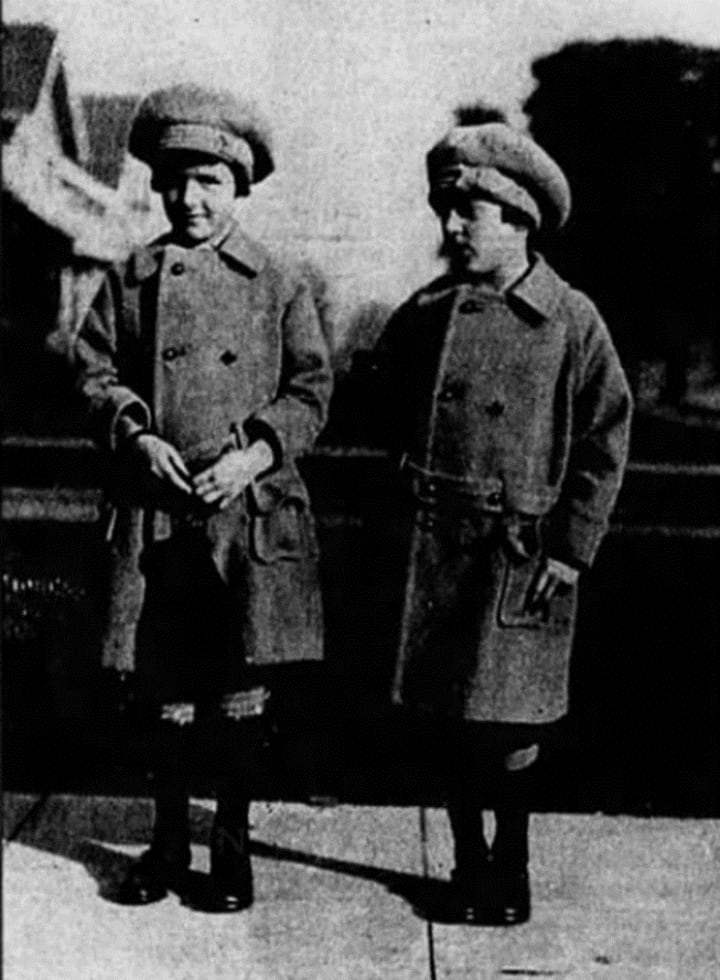
The trial began on January 25th 1928. The “not guilty by reason of insanity” defence was relatively new in California, and William intended to use it. He began behaving erratically, even writing to another inmate for advice on how to act insane:

During the trial, he would mumble to himself in his cell and feign deafness when spoken to. Adding to the complexity of the case, William confessed to the murder of a pharmacist, Clarence Toms, during a holdup with his accomplice, Welby Hunt.
Attorney Jerome K. Walsh represented Hickman and supported the insanity defence, calling on mental health experts, friends, and family members to testify to William’s alleged insanity.
District Attorney Asa Keyes, however, was determined to counter this strategy. He hired his own team of psychiatrists to argue that William was fully sane when he murdered Marion Parker.
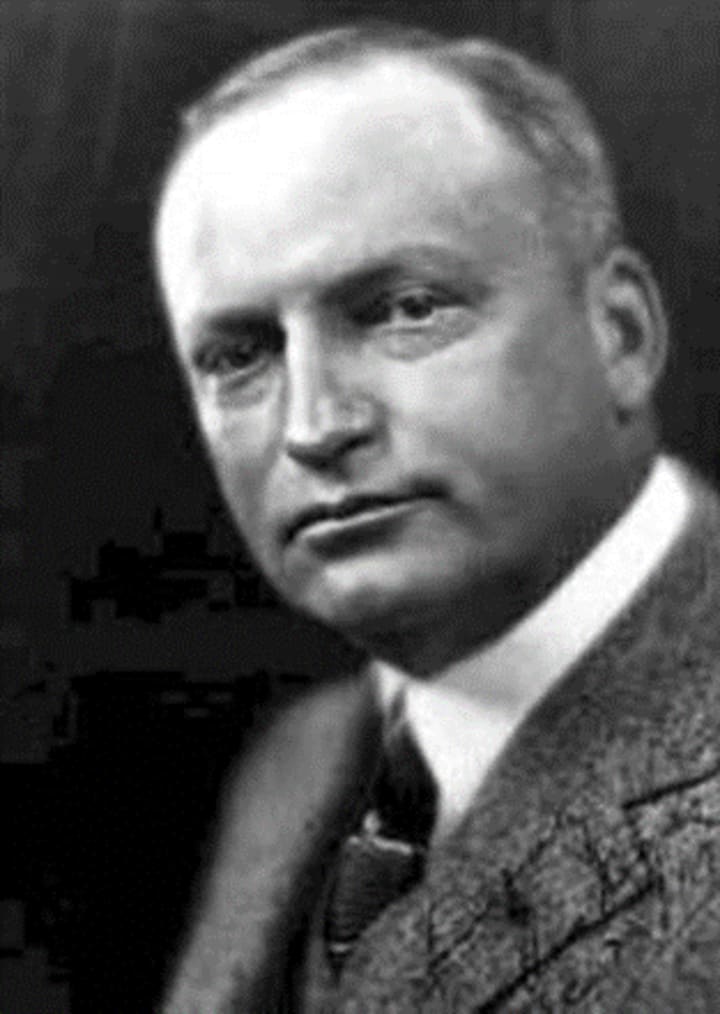
On February 9th 1928, William Hickman was found guilty of first-degree murder. The jury deliberated for only 36 minutes. After the verdict, William told the press:

Before guards marched him to the gallows, Hickman ate a chicken dinner and listened to records on an old Victrola. He read letters from his mother and broke down once in tears. Then, he asked a guard to hear his final confession.
He recounted Marion’s last days. After 3 days of captivity, the little girl began to get restless. William tied her to a chair in his apartment, and on December 17th, he went to mail a ransom letter. When he returned, Marion demanded he free her. She was starting to get loud, and William feared she might attract attention. William approached Marion from behind, placed a towel around her neck and strangled her. He recalled how Marion squirmed and flailed for two minutes. Then she went quiet and limp.
William dragged the child to his bathroom and laid her in the tub as he turned on the phonograph. William blared “Bye, Bye, Pretty Baby” as he began carving her limbs with a butcher knife. He said he thought she might have been alive when he started.
William insisted revenge was not the motive.
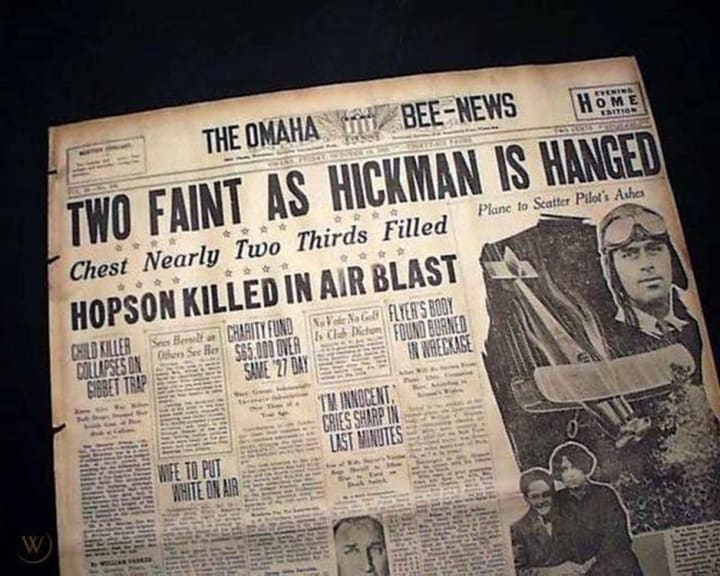
On October 29th 1928, William walked up the 13 rickety steps, and fainted as the executioner placed a black hood over his head. When the trap door opened, William strangled for 14 minutes before the doctor pronounced him dead.
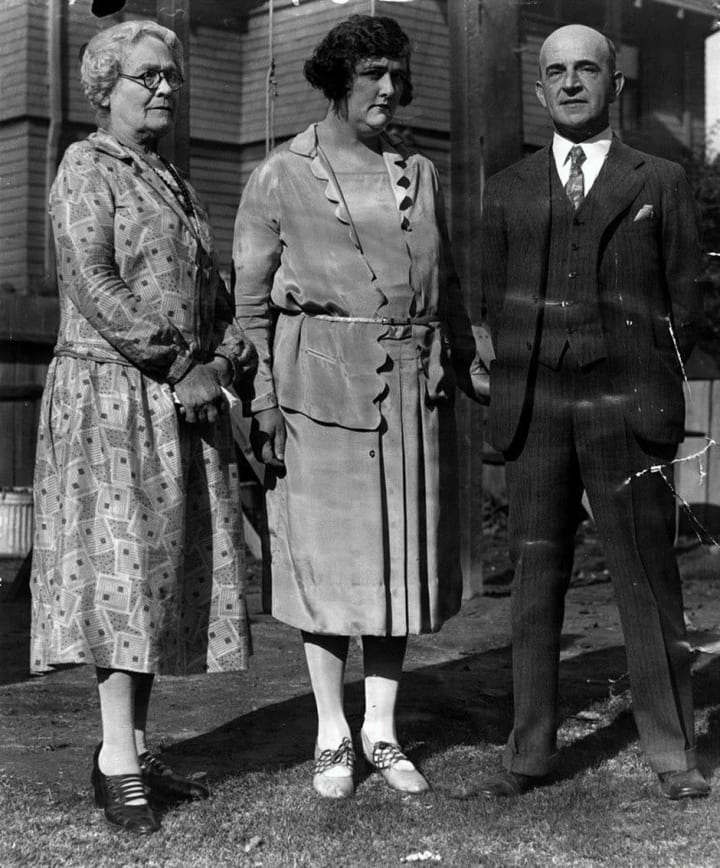
In the aftermath of Marion’s murder, Geraldine and Perry Parker carried the grief of their loss for the rest of their lives. Yet, they never harboured hatred. Whenever possible, Perry would ask others to forgive the school employees who had unknowingly allowed his daughter to leave with her murderer.
Marjorie Parker grew up, married, and lived out her life in San Diego.
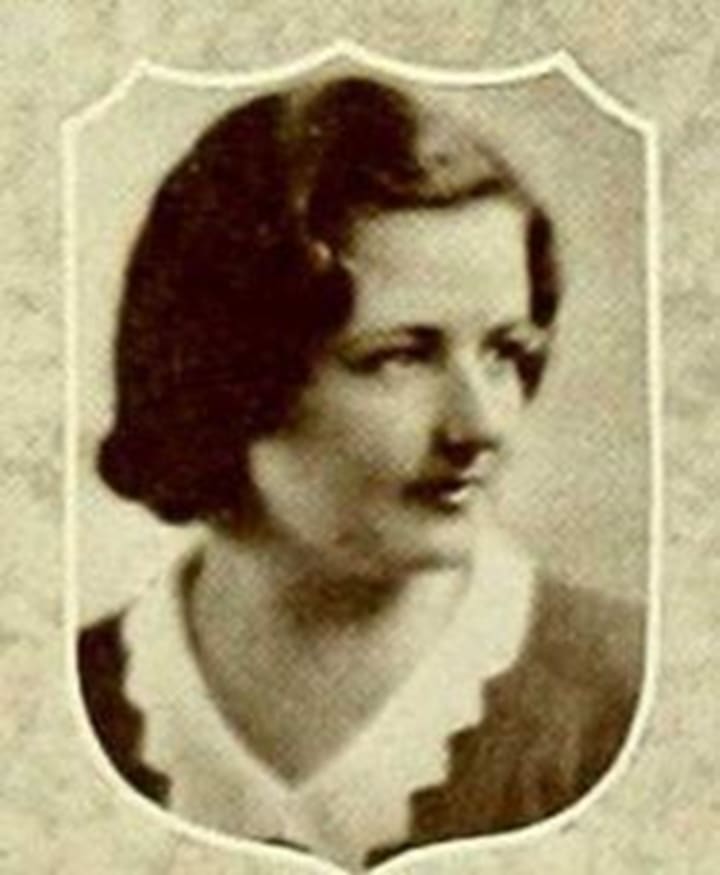
Their brother, Perry Willard Parker, served in the US Airforce during World War II and the Korean War. Like Marjorie, he relocated to San Diego, where he lived to be 75.
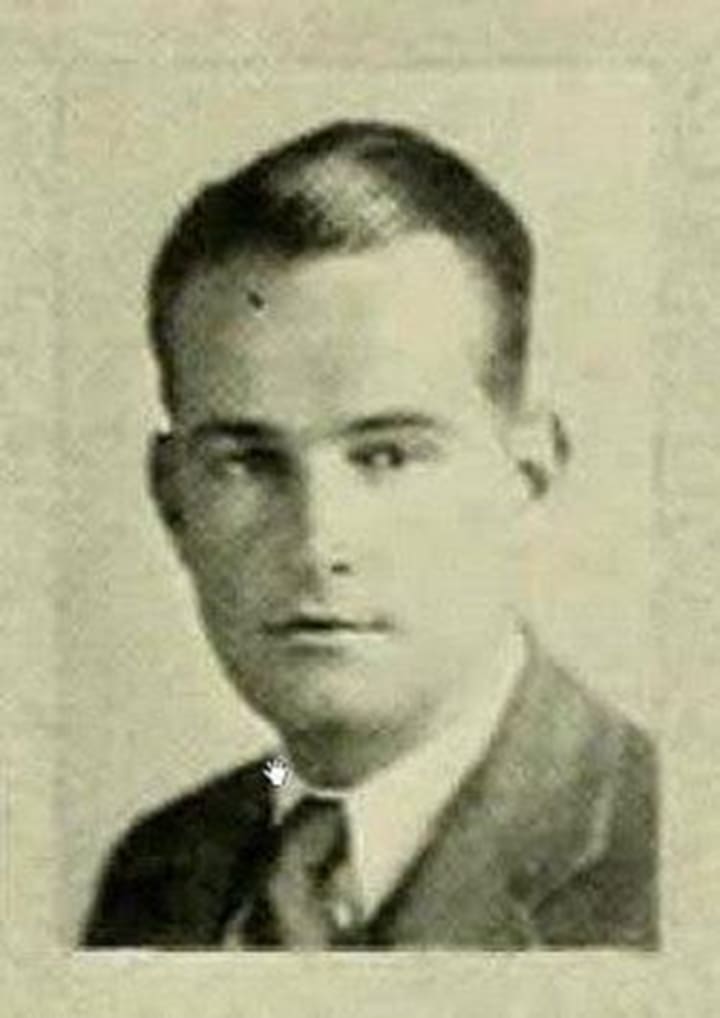
William Edward Hickman was once quoted as saying:

About the Creator
Matesanz
I write about history, true crime and strange phenomenon from around the world, subscribe for updates! I post daily.
Inside the House of Skulls: The Full Timeline of the Jonathan Gerlach Investigation
INVESTIGATION TARGET: JONATHAN C. GERLACH INCIDENT LOCATION: 100 WASHINGTON AVENUE, EPHRATA PA CHARGES: ABUSE OF CORPSE (x100), THEFT, DESECRATION STATUS: INCARCERATED ($1M BAIL) KEYWORDS: #HouseOfSkulls #JonathanGerlach #EphrataCrime #MountMoriah
By Sunshine Firecracker3 days ago in Criminal
Don’t Ask. Don’t Tell. Until Someone Lives To Tell.
By an independent investigative researcher ⸻ A note to the reader This article relies exclusively on public records, court filings, sworn testimony, and contemporaneous reporting. It does not allege criminal coordination beyond what has been established in court. Its purpose is to examine patterns, parallels, and institutional blind spots that emerge when timelines are placed side by side. Patterns are not accusations. But patterns ignored become policy.
By SunshineChristina2 days ago in Criminal
Thoughts on Vocal and the way the world is
"Death cannot stop true love, only delay it." – Wesley in The Princess Bride. I decided to come back to Vocal on a very cold and dark night at the end of December. I had been, and still am, convalescing from a horrible staph infection that had gone misdiagnosed for months. This, paired with the increasing challenges of being healthy, making the best choices for my co-parented child, being a wife, and being a director at a new job, was a lot to manage.
By Jazzy 2 days ago in Confessions

Comments
There are no comments for this story
Be the first to respond and start the conversation.