
Legal Loopholes in Court-Ordered Drug Test: What You Should Know!
Unraveling the Intricacies: Navigating Through the Maze of Legal Loopholes in Court-Ordered Drug Testing


Legal loopholes in court-ordered drug testing are a topic of great complexity and significance, especially for individuals who find themselves entangled in the judicial system.
This blog post aims to provide an in-depth and comprehensive analysis of what you should know about these legal loopholes, how they might impact various cases, and the ethical considerations involved.
Introduction
In legal contexts, drug testing is often mandated by courts to ensure compliance with certain conditions, particularly in cases related to drug offenses, child custody, or probation. While the intention behind these tests is to uphold justice and ensure public safety, there are instances where the system is not foolproof, leading to legal loopholes. Understanding these loopholes is crucial for individuals involved in such cases, as well as for legal professionals and policymakers.
Understanding Court-Ordered Drug Tests
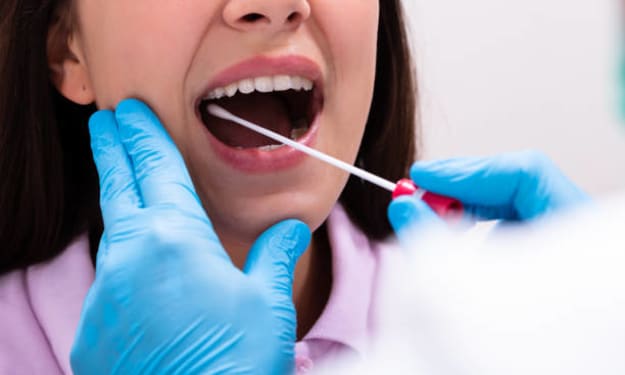
Before diving into the loopholes, it's essential to understand how court-ordered drug tests are administered. These court-ordered drug tests are designed to detect the presence of illegal substances in an individual's system. The most common methods include urine, blood, hair follicle, and saliva tests, each with its unique detection window and level of accuracy.
Common Legal Loopholes in Drug Testing
1. False Positives and Negatives
- False Positives: Certain medications, foods, or medical conditions can lead to false positives. For instance, consuming poppy seeds might result in a positive test for opiates.
- False Negatives: Diluting urine samples or using commercial products to 'cleanse' the body can lead to false negatives.
2. Chain of Custody Issues
Mishandling or mislabeling of samples can compromise test results. If the chain of custody is broken, it may render the test inadmissible in court.
3. Variability in Testing Methods
Different testing methods have varying levels of accuracy and detection windows. The choice of test method can significantly impact the outcome.
4. Legal Prescriptions
Individuals on legally prescribed medications might test positive for certain substances. Distinguishing between legal drug use and illegal drug abuse is a grey area.
5. Privacy Concerns
There are arguments that mandatory drug testing infringes on personal privacy and civil liberties, especially if conducted without sufficient evidence or probable cause.
Impact on Legal Cases
These loopholes can have profound implications in legal cases:
- Criminal Cases: False positives can lead to unjust convictions, while false negatives might enable guilty individuals to evade consequences.
- Family Law: In child custody battles, inaccurate test results can wrongly influence decisions about a parent's fitness.
- Employment Law: Employees might face unjust termination or discrimination based on flawed drug testing results.
Ethical Considerations and Reform
The existence of these loopholes raises ethical concerns. The balance between public safety and individual rights is delicate. Unreliable drug testing can lead to miscarriages of justice, affecting lives profoundly. As such, there's a growing call for reform in how court-ordered drug tests are administered and used in legal decisions.
Proposals for Reform
- Improved Testing Methods: Investing in more accurate and reliable testing technologies.
- Rigorous Chain of Custody Protocols: Ensuring that sample handling is foolproof to prevent tampering or errors.
- Clear Guidelines for Legal Prescriptions: Developing protocols to differentiate between legal and illegal substance use.
- Judicial Training: Educating judges and legal professionals about the limitations and nuances of drug testing.
Conclusion
While court-ordered drug tests are a critical tool in the judicial system, the presence of legal loopholes cannot be ignored. Stakeholders must work together to address these issues to ensure that justice is served fairly and accurately. Awareness and understanding of these loopholes are the first steps toward advocating for necessary reforms and protecting the rights of individuals within the legal system.
Disclaimer
This post is for informational purposes only and should not be taken as legal advice. For specific legal issues, it is advised to consult with a qualified attorney.
About the Creator
US Health Testing
US Health Testing is a leading lab-based online drug testing service provider for employers and individuals across the USA. FDA approved & SAMHSA certified labs nationwide available. Schedule your tests online www.ushealthtesting.com
Keep reading
More stories from US Health Testing and writers in Criminal and other communities.
Natural Detox: Cleansing Your Body and Preparing for a Saliva Drug Test
The human body is a complex machine that comes equipped with its own detoxification system to process and eliminate toxins, including drugs and their metabolites. However, sometimes you may find yourself in a situation where you need to ensure that your body is clear of any substances, particularly if you're preparing for a saliva drug test. Whether for employment, legal requirements, or personal reasons, understanding how to naturally detox your body can be vital.
By US Health Testing2 years ago in Journal
The Shocking Case of Brian Stewart:
The Shocking Case of Brian Stewart: When a Father Injected His Own Son with HIV In 1992, the quiet city of St. Charles County, Missouri, became the backdrop for one of the most chilling and unsettling crimes in modern medical history. Brian Stewart, a trained phlebotomist, used his knowledge and access to medical resources to deliberately harm his infant son. The case is not only a tragic story of parental betrayal but also a cautionary tale about the vulnerabilities inherent in medical access, the motivations that drive horrifying decisions, and the resilience of the human spirit.
By Dakota Denise a day ago in Criminal
Oil at War: The Strait of Hormuz Crisis and the Rising Iran–Israel–US Conflict
Oil at War: The Strait of Hormuz Crisis and the Rising Iran–Israel–US Conflict The Middle East has once again become the center of global attention as tensions between Iran, Israel, and the United States intensify. At the heart of this crisis lies one of the world’s most strategic waterways: the Strait of Hormuz. This narrow maritime corridor carries a huge portion of the world’s oil supply, and any disruption here has the power to shake the global economy.
By Wings of Time about 10 hours ago in Criminal


Comments
There are no comments for this story
Be the first to respond and start the conversation.