
Jodi Arias: Obsession, Lies
And the Boyfriend Murder That Gripped the Nation


Jodi Arias: Obsession, Lies, and the Boyfriend Murder That Gripped the Nation
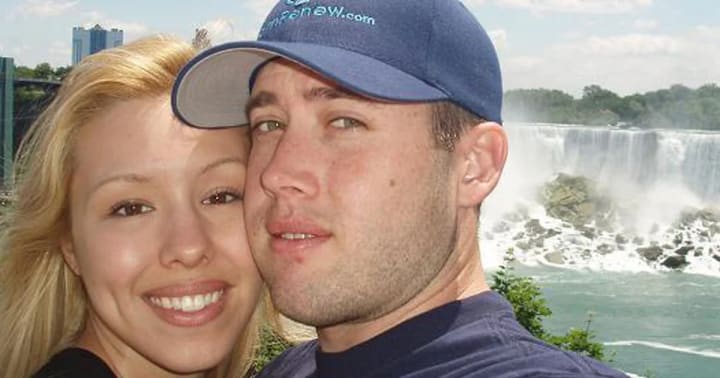
A relationship fueled by jealousy and control ended in one of the most shocking overkill murders of the modern true-crime era
In June 2008, a young motivational speaker was found brutally murdered in his Arizona home. The crime scene was so violent that investigators first suspected a rage killing or a cartel-style execution. But the trail didn’t lead to a gang, a robbery, or a stranger.
It led to an ex-girlfriend.
The case of Jodi Arias and the murder of Travis Alexander became one of the most watched, debated, and psychologically dissected trials in modern true crime. It had everything: secret relationships, sexual control dynamics, religion, jealousy, lies to police, a cross-country alibi attempt, and a courtroom performance that kept cameras locked in for months.
A Fast, Intense Relationship
Jodi Arias and Travis Alexander met in 2006 at a business conference connected to a multi-level marketing company. By most accounts, the attraction was immediate and intense. Travis was charismatic, religious, and socially active. Jodi quickly became deeply attached.

Friends later said the relationship moved fast — emotionally and sexually — and was filled with contradictions. Travis was publicly devout in his Mormon faith but privately involved in a sexual relationship with Jodi. That split between public image and private behavior created tension that would later become important in court testimony.
They broke up and reconciled multiple times. The relationship never stabilized — it escalated.
Jealousy, Control, and Surveillance
After the breakup, Jodi did not detach. Evidence and testimony later showed patterns of:
Excessive messaging and calling
Showing up unexpectedly
Monitoring Travis’s activities
Jealousy over other women
Emotional volatility
Friends of Travis testified that he began distancing himself and expressing concern about her behavior. He reportedly told people she was possessive and unpredictable.
At the same time, the two continued a secret sexual relationship even after officially ending their romance — further blurring emotional boundaries and expectations.
This push-pull dynamic would later be described by prosecutors as obsession — and by the defense as emotional dependency.
The Trip No One Was Supposed to Know About
In June 2008, Travis Alexander was preparing for a trip and had plans with another woman afterward — something that reportedly upset Jodi. Around the same time, Jodi made a sudden road trip from California toward Utah, where she claimed she was going to visit friends.
But the route — and the timing — passed directly through Mesa, Arizona, where Travis lived.
Investigators later uncovered key details:
She rented a car instead of using her own
She dyed her hair darker before the trip

She turned off her phone for stretches of time
Gas receipts and records mapped her path
A camera found at the crime scene contained deleted images
Those deleted images would become one of the most devastating pieces of evidence in the entire case.
The Crime Scene

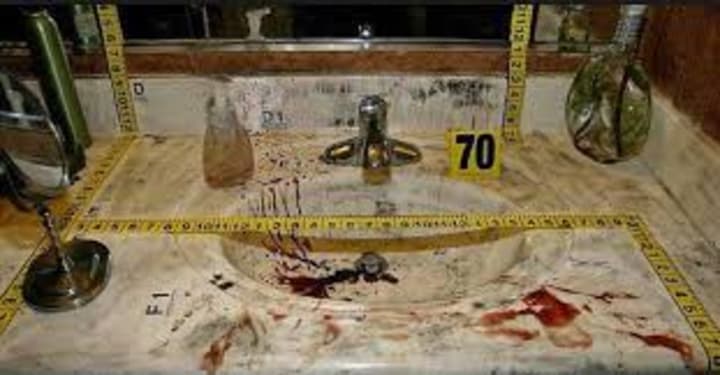
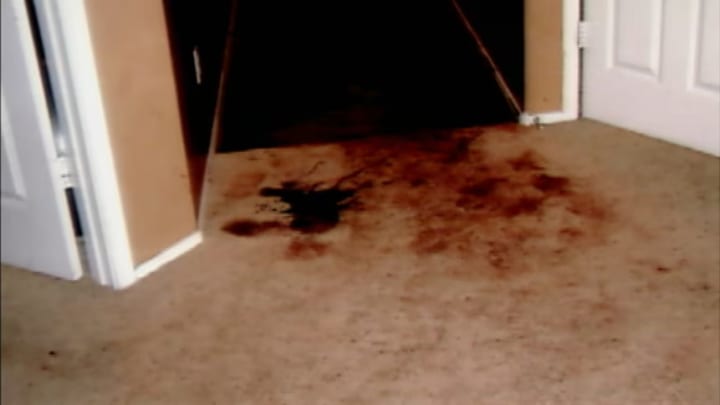
When Travis Alexander didn’t show up for work or social obligations, friends became concerned. They went to his home — and discovered the body in the shower.
The scene was horrific.
He had suffered:
A gunshot wound
A deep throat slash
Dozens of stab wounds
Defensive injuries on his hands
Investigators classified it as extreme overkill — violence far beyond what was necessary to cause death. In true crime analysis, overkill is often associated with personal, emotionally charged attacks rather than random violence.
Near the body, police found a damaged digital camera in the washing machine. Forensic recovery revealed timestamped photos taken during the encounter — including images of Travis alive shortly before the attack and images taken during the assault itself.
The killer had unknowingly documented the timeline.
The Lies to Police — Three Versions of the Story
When first questioned, Jodi Arias denied being at the house at all. She told investigators she hadn’t seen Travis in a long time.
That was Lie #1.
When confronted with forensic evidence placing her at the scene — including DNA — she changed her story.
She claimed masked intruders broke in and killed him while she escaped.
That was Lie #2.
Later, she changed her story again.
She admitted killing Travis — but claimed it was self-defense during a violent confrontation.
That became Version #3 — the trial defense.
Multiple story changes severely damaged her credibility with prosecutors and the jury.

The Trial That Became a Spectacle
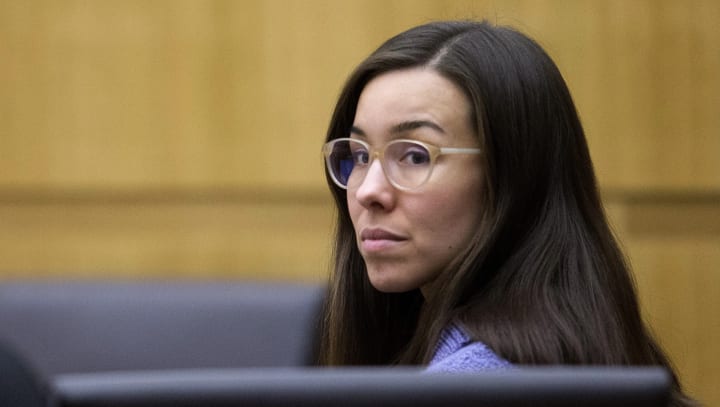
The murder trial of Jodi Arias became a national media event. Courtroom footage aired daily. Her testimony stretched across many days and included highly detailed — and often graphic — descriptions of the relationship.
Prosecutors argued:
The killing was premeditated
The trip was planned
The rental car and hair dye showed preparation
The camera timeline proved sequence
The violence showed intent

The defense argued:
Travis was abusive and controlling
She feared for her life
The attack was a survival response
The jury ultimately rejected the self-defense claim.
Jodi Arias was convicted of first-degree murder.
Sentencing and Aftermath
The penalty phase took years due to jury deadlocks on the death penalty question. Eventually, she was sentenced to:
Life in prison without the possibility of parole.
The drawn-out sentencing phase kept the case in headlines long after the conviction — and fueled ongoing public debate about motive, psychology, and media influence.
Why This Case Still Fascinates True-Crime Audiences
The Arias case remains one of the most discussed modern relationship murders because it combines multiple high-interest elements:
Sexual secrecy + religious conflict
Breakup obsession
Cross-state travel before murder
Forensic digital evidence
Multiple false stories
Overkill violence
Televised courtroom testimony
Personality analysis debates
People still argue about motive: jealousy, rejection, control, humiliation, or psychological instability.
But investigators were clear on one point:
This was not random.
This was personal.
Key Case Timeline:
2006 — Jodi Arias meets Travis Alexander
2007 — Relationship becomes unstable
June 2008 — Travis murdered in Arizona home
Camera images recovered from scene
Arias gives multiple conflicting stories
2013 — Convicted of first-degree murder
Later — Sentenced to life without parole

-
About the Creator
Dakota Denise
Every story I publish is real lived, witnessed, survived. True or not I never say which. Think you can spot fact from fiction? Everything’s true.. I write humor, confessions, essays, and lived experiences
Keep reading
More stories from Dakota Denise and writers in Criminal and other communities.
Cop Hires Escort, Kills Her After She Called Him a "Weirdo"
Sheri Carter of Boynton Beach, Florida, had a bright future. She attended Florida Atlantic University (FAU), hoping she’d work as a lawyer one day. She came from a loving family, had a great boyfriend, and loved life. Sadly, a cop with a violent history would end her story well before she had time to write all the chapters.
By Criminal Matters5 days ago in Criminal
Nancy Guthrie: Faith, Influence, and the Ongoing Search That Captured a Nation
Introduction Nancy Guthrie is a name that, for many years, resonated quietly but powerfully within Christian teaching circles. Known as a respected Bible teacher, author, and speaker, she spent decades helping others understand Scripture, suffering, and hope. But in early 2026, her name entered the national spotlight under heartbreaking circumstances.
By Story Prism3 days ago in Criminal




Comments
There are no comments for this story
Be the first to respond and start the conversation.