
Germany's Cannabis Legalization and Driving Law: What Every Driver Should Know
As cannabis laws evolve in Germany, what happens to driving rules?
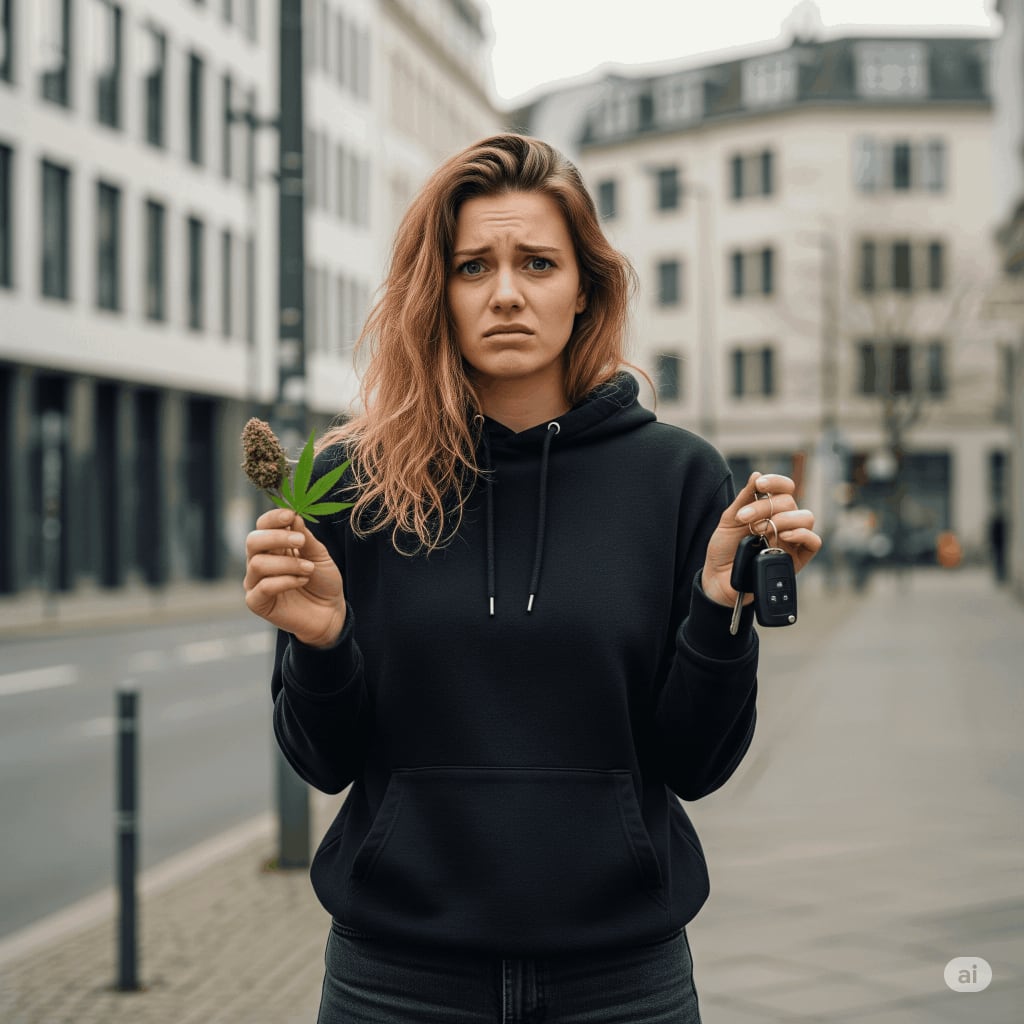
This blog explores the intersection of cannabis legalization and driving laws in Germany. As the legal use of cannabis becomes more acceptable, understanding how it affects driving privileges, THC limits, and the risk of MPU is critical for every driver.
Germany is shifting toward a more progressive stance on cannabis — but this doesn’t mean driving under the influence is acceptable. This blog breaks down how legal cannabis use may still impact your driving license, when an MPU might be triggered, and what limits, penalties, and legal responsibilities remain in place for drivers.
Germany’s Cannabis Reform: What It Means for Drivers
In recent years, Germany has taken major steps toward legalizing and decriminalizing cannabis. What was once an automatic path to Führerscheinentzug (license revocation) and MPU is now part of a more nuanced legal debate.
But while buying or possessing small amounts of cannabis might be legal — driving after consuming cannabis is still a serious offense.
This blog explains what Germany's cannabis reform means for everyday drivers: the risks, legal boundaries, and why you may still be ordered to take the MPU even if cannabis is technically “legal.”
Legal Cannabis ≠ Legal Driving
Germany’s Cannabisgesetz (CanG) reforms have:
- Decriminalized small possession for personal use
- Allowed private cultivation in limited amounts
- Introduced state-regulated distribution plans
But Cannabis am Steuer (cannabis at the wheel) remains strictly forbidden. Driving under the influence of THC is considered dangerous, regardless of legalization status.
This means:
• You can use cannabis privately
• But you cannot drive if THC is still in your system
What Are the Legal THC Limits for Drivers?
The current legal limit for THC in the bloodstream is:
1.0 ng/ml of active THC (not metabolites)
This limit is based on scientific evidence of potential psychoactive effects and impaired driving. If you're caught with more than 1.0 ng/ml in your blood while driving, it's treated as:
- Administrative violation for first offense
- Criminal charge for repeated offenses or dangerous driving
- Possible Führerscheinentzug (license withdrawal)
- Mandatory MPU
Effects of THC on Driving
Even moderate cannabis consumption can impair:
- Reaction time
- Decision-making
- Lane discipline
- Risk perception
This is why the Verkehrsrecht (traffic law) community remains skeptical of mixing legal use with driving responsibilities.
The MPU examiners are particularly concerned with:
- Frequency of use
- Level of self-awareness
- Abstinence control
- Emotional maturity behind the wheel
Drug Testing During Police Controls
If police suspect cannabis use during a traffic stop, they may conduct:
- Field sobriety tests
- Saliva or urine screening
- Blood sampling (mandatory) — done at the station by a doctor
Refusal to comply often leads to:
- Immediate license suspension
- Fines and points
- Request for MPU
Even if you have a prescription for medical cannabis, you may still face testing if impairment is suspected.
When Does a Cannabis User Get Ordered to MPU?
Legal use of cannabis doesn’t exempt you from MPU orders.
The traffic authority may order an MPU if:
- You're caught driving with THC above 1.0 ng/ml
- You're involved in an accident with suspected THC impairment
- You're a repeat cannabis user even outside of driving contexts
- You're found with other substances (alcohol + THC) in combination
- You refuse to participate in a drug screening
These scenarios show that legal use and traffic safety are treated as separate issues.
Case Study: Legal Use, Illegal Driving
Let’s look at an example:
- Lisa, 25, uses cannabis legally at home on weekends.
- One Monday, she drives to work. She feels fine.
- She’s pulled over for a broken tail light.
- The officer suspects drug use — sends her for testing.
- Her blood shows 2.3 ng/ml THC.
Lisa now faces:
- €500 fine
- 2 points
- 1-month driving ban
- MPU order
Despite legal possession, her ability to drive safely was legally challenged.
Impact on Medical Cannabis Patients
If you’re prescribed cannabis for medical reasons (e.g., chronic pain, PTSD), you may still be held liable for impaired driving. German law states:
- Medical use is allowed, but you must remain unimpaired while driving
- You should carry your prescription at all times
- Doctors and MPU examiners may request documentation showing you're fit to drive
Your traffic lawyer can help you build a medical defense, but success depends on your ability to prove:
- No impairment
- Responsible dosage
- Valid prescription
How to Prove You’re Fit to Drive After Cannabis Use
If you’ve used cannabis legally and want to protect your driving license:
- Document usage – keep a personal record of when and how much you consume
- Don’t drive within 24–72 hours after use — especially for chronic users
- Do voluntary testing – hair or urine samples showing abstinence
- Consult a Verkehrspsychologe for assessment
- Speak to a Verkehrsrecht Anwalt if you've received a warning letter or test request
Proactivity is key — show that you take your driver responsibility seriously.
Legal Gray Areas in Current Cannabis Law
With the new Cannabisgesetz, some uncertainties remain:
Legal Question & Current Situation
1. Is home-grown cannabis treated differently?
No — same THC driving limits apply
2. Are medical and recreational users equal?
No — prescription may provide limited defense
3. Can I drive the next day after smoking?
Only if THC is fully eliminated (<1.0 ng/ml)
4. Is there a safe daily dosage for drivers?
No clear guidance — case-by-case basis
The takeaway: until laws are updated to reflect science, err on the side of caution.
How to Avoid Losing Your License
To stay on the safe side, here’s a checklist for cannabis users:
- Never drive within 48 hours of cannabis use
- Know your usage pattern and THC decay rate
- Keep proof of prescription (if applicable)
- Don’t mix cannabis with alcohol or medications
- Consider legal consultation after any police check
- Prepare for MPU if ordered — early preparation improves success
Conclusion: Cannabis is Legal — But Driving Is Still Serious Business
Germany is entering a new era of cannabis law, but the Verkehrsrecht (traffic law) remains cautious and conservative. Driving under the influence of cannabis — whether recreational or medical — is still a high-risk legal decision.
The safest option? Separate your consumption and driving completely. If you're ever unsure, consult a Verkehrsrecht Anwalt or MPU consultant to protect your license and avoid costly mistakes.
Legal doesn't mean risk-free — not when it comes to the road.
About the Creator
A Real Story: The Day Ameneh Bahrami Lost Her Sight
In 2005, Tehran woke up to what seemed like an ordinary morning. Buses were running, offices were opening, and students were heading to their universities. The city was moving through its usual routine. No one knew that, in one small part of the city, a tragedy was about to occur—one that would later shock the entire world.
By shakir hamid3 days ago in Criminal
"The Burlap Sack" Evidence: How Yeadon Police Caught the Ephrata Bone Collector
The Trap is Sprung On January 6, 2026, Jonathan Gerlach got into his 2008 Toyota RAV4 and drove to Delaware County. He likely believed it was just another "shopping trip" to his favorite supply store: Mount Moriah Cemetery.
By Sunshine Firecracker3 days ago in Criminal



Comments
There are no comments for this story
Be the first to respond and start the conversation.