
cyberstalking is terrorism and law enforcement needs to catch up
Helping Dv survivors at risk of being murdered escape has almost cost me my life, and police refuse to help
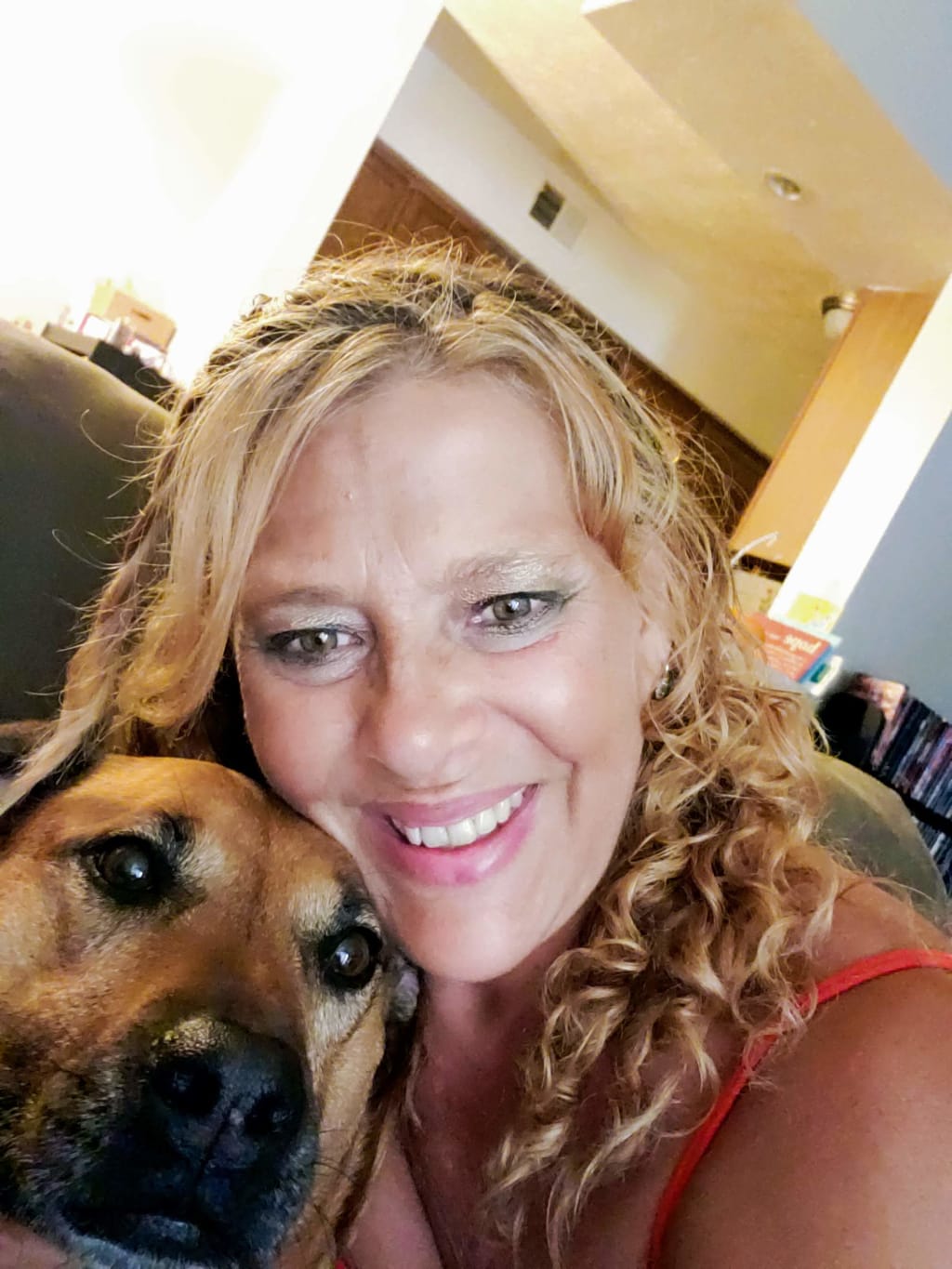
When Helping Domestic Violence Survivors Makes You a Target: My Battle Against Cyber Terrorism
How an abuser's retaliation turned cyberstalking into a death sentence - and why the system failed me at every turn
I run a nonprofit that helps battered women escape their abusers. We provide new identities and relocation services to women whose lives are in immediate danger - women who would likely be murdered if they stayed. It's life-saving work that I'm proud of. It's also work that made me a target.
For months now, I've been terrorized by a cyberstalker who isn't just some random hacker. This is an abuser seeking revenge against me for helping his victims escape. He has systematically destroyed my life, my health, and now threatens the life of my beloved service dog. And at every turn, the system has failed me.
When "Misdemeanor Harassment" Becomes a Death Sentence
The police call what's happening to me "misdemeanor harassment." Let me tell you what misdemeanor harassment looks like in 2025:
This abuser has taken out multiple loans in my name, forcing me into court battles to prove my innocence. He stole $4,500 from my Cash App account - money both Cash App and my bank refused to refund, claiming it was somehow my fault. When I closed that Cash App account to protect myself, they banned me from ever opening another one.
But he wasn't done. He opened an online bank account using my stolen information and diverted my Social Security Disability checks there. For over four months, I had no income while bureaucrats shuffled papers. My car was repossessed. I had to stop my chemotherapy treatments for cancer. Now I'm facing eviction.
Because I couldn't afford my cancer treatment, what was once manageable cancer has become terminal. The stress and lack of medical care caused by this "misdemeanor harassment" is literally killing me.
The Technology of Terror
This isn't about someone sending mean messages. Modern cyberstalking is intimate terrorism. Despite replacing my modem, phone, and SIM card four times, despite changing my phone number three times, he continues to watch and listen to me. He's created facial recognition access to my accounts that I can't seem to break.
He knows when I'm home, when I leave, what I'm doing, who I'm talking to. The constant surveillance has made me a prisoner in my own life. I've never felt more alone and terrified.
Police officers have told me that domestic violence calls are the most dangerous they respond to. Yet when that same domestic violence plays out through technology, suddenly it's just harassment. This makes no sense. Stalking is a documented precursor to physical violence and murder. The technology doesn't make it less dangerous - it makes the stalker more persistent, more invasive, and harder to escape.
The Financial Devastation No One Talks About
There's financial support available for victims of violent crime. But if your attacker uses a computer instead of a gun, you don't qualify. This is backwards. Cybercrime victims often lose more financially than victims of any other crime, yet we're left to fend for ourselves.
I've spoken with dozens of other cyber victims, and we all share the same experience: we're not taken seriously, we're blamed for "clicking a link" or somehow causing our own victimization, and we're denied the support other crime victims receive.
The financial destruction is methodical and devastating. Beyond the direct theft, there are the costs of replacing devices, changing accounts, hiring lawyers, dealing with fraudulent loans, and lost income from the time spent fighting these battles. Many of us lose our jobs due to the constant disruption and stress.
When the Victim Becomes the Suspect
Perhaps the most traumatic aspect of this experience has been the constant victim-blaming. Bank representatives, police officers, and even some court officials have treated me like I'm either lying or somehow complicit in my own victimization.
"You must have given him your password."
"You probably clicked on something you shouldn't have."
"These things don't just happen."
Yes, they do just happen. And they happen to people who are targeted specifically because of who they are or what they do. In my case, I was targeted because I help women escape domestic violence. This abuser wanted revenge, and he found it through cyberterrorism.
The Ultimate Cruelty
As I write this, my service dog is dying of advanced cancer. She's suffering terribly, and I can't afford to put her out of her misery because this abuser has destroyed my finances. I've started a fundraiser that has raised nothing. Watching her suffer while being powerless to help her is perhaps the cruelest consequence of this "misdemeanor harassment."
Service dogs aren't just pets - they're lifelines. Mine has been my constant companion through cancer treatment, through the trauma of being stalked, through the darkest moments of this ordeal. That this abuser's actions are now causing her to suffer feels like the final violation.
The Deadly Disconnect
The most infuriating aspect of this situation is the deadly disconnect in how our system responds to domestic violence and cyberstalking. Law enforcement knows domestic violence escalates. They know stalking often precedes murder. They know these situations are dangerous.
Yet when that same pattern of control, intimidation, and escalating violence happens through technology, suddenly it's not serious. This disconnect is literally getting people killed.
Domestic violence victims are murdered because police don't take cyberstalking seriously until it's too late. By the time the stalker shows up at your door, the groundwork for violence has already been laid through months or years of technological terrorism.
What Needs to Change
We need immediate policy changes:
Reclassify cyberstalking - It should be a felony, not a misdemeanor, especially when it involves financial fraud and identity theft.
Extend victim services - Financial support and counseling services available to other crime victims must be extended to cybercrime victims.
Train law enforcement - Police need specialized training on technology-facilitated abuse and its connection to physical violence.
Reform financial institutions - Banks and payment processors must be held accountable when they fail to protect victims and refuse to restore stolen funds.
Create emergency response protocols - Just as we have systems for immediate protection in physical domestic violence cases, we need rapid response for cyber victims facing financial destruction.
A Call for Justice
I may not survive this battle - my cancer is now terminal partly because of this abuser's actions. But I refuse to let my story end without fighting for the thousands of other victims facing similar terror.
The technology may be new, but the pattern is ancient: abusers seeking control, systems failing victims, and society looking the other way until someone dies. We can do better. We must do better.
If you're a policymaker reading this, imagine if this was your daughter, your sister, your mother. If you're in law enforcement, remember that the same instincts that tell you domestic violence calls are dangerous should apply to cyberstalking cases.
And if you're a victim reading this, know that you're not alone, it's not your fault, and your experience matters. Together, we can demand the changes that will protect future victims from this technological terrorism.
The question isn't whether cyberstalking will escalate to physical violence - it's whether we'll act before more victims pay the ultimate price for our system's failures.
I own a nonprofit helping domestic violence survivors and is currently fighting stage 4 cancer while being cyberstalked in retaliation for her advocacy work. I can be reached at [email protected] My nonprofit helps battered and disabled women get resources and a service dog for free
About the Creator
Keep reading
More stories from writers in Criminal and other communities.
YNW Melly’s Witness Tampering Charges Dropped Ahead Of Trial
YNW Melly’s had a long and arduous road. Does he deserve it? That’s for a jury to decide January of 2027. Meanwhile, he scored a huge legal win when one of his charges got dropped. Related to witness tampering where he allegedly told his girlfriend not to participate in the case, he got the charge dropped ahead of the upcoming trial.
By Skyler Saunders6 days ago in Criminal
Affection and Healing for Yourself
During the night of the last quarter moon, I gathered my ritual supplies. I carefully handled the chunk of black tourmaline that would protect me from your overall negative and narcissistic energy. I carefully walked the house with my stick of selenite in hand, asking the universe to cleanse our working space.
By Alisha Wilkins ✒️🦋🖋️7 days ago in Fiction



Comments
There are no comments for this story
Be the first to respond and start the conversation.