
Crypto Investing 101: A Beginner’s Guide to Navigating the Digital Asset Universe
From Bitcoin to NFTs, discover the essentials of crypto investing and how to navigate this exciting yet complex landscape.

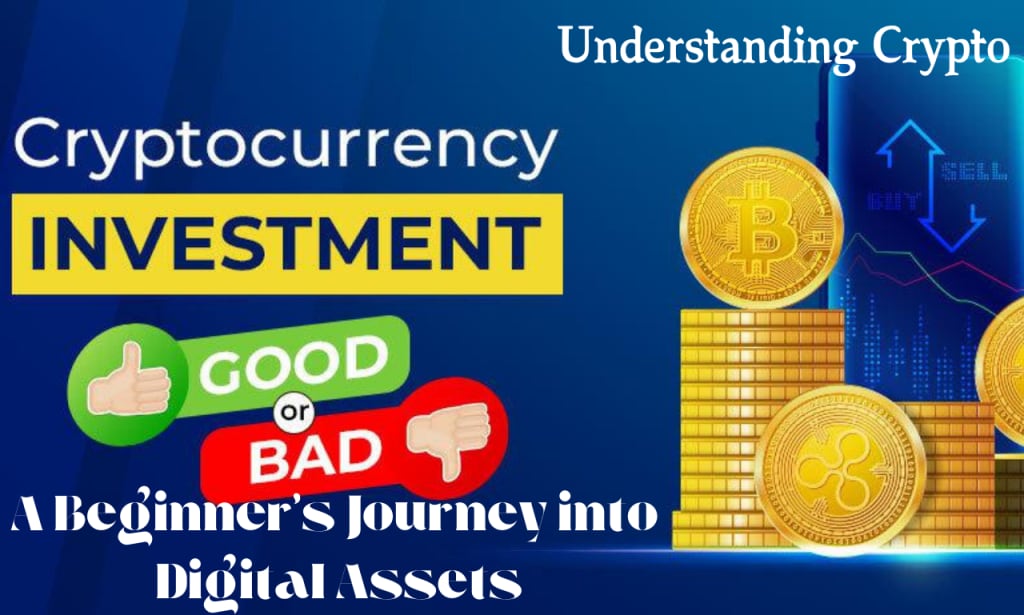
Cryptocurrencies have taken the world by storm, evolving from a niche interest to a global phenomenon. Bitcoin, the pioneer of blockchain technology, has paved the way for an entire ecosystem of digital assets. But with thousands of cryptocurrencies now available, where does a new investor begin? This guide will walk you through the basics of crypto investing, from understanding protocol tokens to exploring decentralized finance (DeFi) and non-fungible tokens (NFTs).
The Crypto Galaxy: Beyond Bitcoin
Bitcoin, launched in 2009, introduced the world to blockchain technology—a decentralized, transparent ledger system. While Bitcoin remains the most valuable cryptocurrency, it’s just the tip of the iceberg. Today, the crypto universe includes a wide range of assets designed for various use cases, from identity management to gaming and finance. These alternative cryptocurrencies, or “alt-coins,” can be broadly categorized into protocol tokens, application tokens, and NFTs.
Protocol Tokens: The Foundation of Blockchain
Protocol tokens, also known as Level-1 or base layer tokens, are essential for the operation of a blockchain. Bitcoin is the most well-known example, serving as both a medium of exchange and a reward for miners who validate transactions.
Ethereum, the second-largest cryptocurrency by market cap ($513 billion), is another prominent protocol token. Created in 2015 by Vitalik Buterin, Ethereum was designed to support smart contracts—self-executing pieces of code that enable decentralized applications (dapps). Unlike Bitcoin, which is relatively rigid, Ethereum’s flexibility has made it a hub for innovation.
Other notable protocol tokens include Solana, Cardano, Binance Smart Chain, and Polkadot, each offering unique features and use cases.
Application Tokens: Powering Decentralized Apps
If protocol tokens are the operating system of a blockchain, application tokens are the programs that run on top of them. These tokens, often associated with decentralized applications (dapps), gained popularity during the initial coin offering (ICO) boom of 2017-2018. While many ICO projects failed, some dapp tokens have thrived, particularly in the decentralized finance (DeFi) space.
DeFi replicates traditional financial services—like banking and lending—on the blockchain, using smart contracts to automate processes. Popular DeFi tokens include Compound, AAVE, Uniswap, and Maker, which collectively represent billions of dollars in market value.
Non-Fungible Tokens (NFTs): The Rise of Digital Uniqueness
While most cryptocurrencies are fungible (interchangeable), NFTs are unique digital assets that represent ownership of specific items, such as art, music, or virtual real estate. Built on blockchain technology, NFTs have exploded in popularity, with some selling for millions of dollars.
NFTs are more than just collectibles; they’re redefining ownership and value in the digital age. From artists monetizing their work to gamers owning in-game assets, NFTs are opening up new possibilities for creators and investors alike.
Getting Started with Crypto Investing
1. Educate Yourself
Before investing, take the time to understand the basics of blockchain technology, cryptocurrencies, and the risks involved. Resources like online courses, books, and reputable websites can provide valuable insights.
2. Choose a Reliable Exchange
To buy and trade cryptocurrencies, you’ll need to use a crypto exchange. Popular options include Coinbase, Binance, and Kraken. Ensure the platform is secure, user-friendly, and compliant with regulations.
3. Diversify Your Portfolio
While Bitcoin and Ethereum are solid starting points, consider diversifying into other promising assets like Solana, Cardano, or DeFi tokens. However, avoid spreading yourself too thin—focus on quality over quantity.
4. Stay Informed
The crypto market is highly volatile and constantly evolving. Follow industry news, join online communities, and keep an eye on market trends to make informed decisions.
5. Practice Risk Management
Only invest what you can afford to lose, and consider using tools like stop-loss orders to protect your investments. Remember, the crypto market is unpredictable, and prices can fluctuate dramatically.

The Future of Crypto: Opportunities and Challenges
The crypto industry is still in its early stages, offering immense opportunities for innovation and growth. However, it’s not without challenges. Regulatory uncertainty, security risks, and market volatility are significant concerns for investors.
Despite these challenges, the potential of blockchain technology is undeniable. From revolutionizing finance to empowering creators, crypto is reshaping the way we think about money, ownership, and value.
Final Thoughts: Your Crypto Journey Starts Here
Crypto investing can be both exciting and intimidating, but with the right knowledge and approach, it’s a journey worth taking. Whether you’re drawn to Bitcoin’s stability, Ethereum’s versatility, or the creativity of NFTs, there’s a place for you in the crypto universe.
So, what are you waiting for? Start exploring, stay curious, and remember—every expert was once a beginner.
About the Creator
mureed hussain
Hi, I’m a creative writer passionate about health & wellness, love, longevity, aging, and pet care. With extensive Quora experience, I craft engaging posts, thoughtful questions, and insightful answers.
Find me at>>[email protected]
Keep reading
More stories from mureed hussain and writers in Criminal and other communities.
Forever Unmarried: The Fascinating Lives of Celebrities Who Chose Love Without a Ring
In a world where fairy-tale weddings and lavish ceremonies often dominate headlines, it’s refreshing to see celebrities who defy societal norms and choose to live life on their own terms. While marriage is often seen as the ultimate commitment, some of Hollywood’s most beloved stars have proven that love doesn’t need a legal document to thrive. From long-term partnerships to solo journeys, these celebrities have embraced unconventional paths, proving that happiness comes in many forms. Let’s dive into the lives of some of your favorite celebs who have chosen to remain unmarried—and why their decisions are worth celebrating.
By mureed hussainabout a year ago in Criminal
Toronto Consulate Shooting, Synagogue Attacks, and Antisemitic Violence in Canada
Irina Tsukerman is a human rights and national security attorney based in New York and Connecticut. She earned her Bachelor of Arts in National and Intercultural Studies and Middle East Studies from Fordham University in 2006, followed by a Juris Doctor from Fordham University School of Law in 2009. She operates a boutique national security law practice. She serves as President of Scarab Rising, Inc., a media and security strategic advisory firm. Additionally, she is the Editor-in-Chief of The Washington Outsider, which focuses on foreign policy, geopolitics, security, and human rights. She is actively involved in several professional organizations, including the American Bar Association’s Energy, Environment, and Science and Technology Sections, where she serves as Program Vice Chair in the Oil and Gas Committee. She is also a member of the New York City Bar Association. She serves on the Middle East and North Africa Affairs Committee and affiliates with the Foreign and Comparative Law Committee.
By Scott Douglas Jacobsen3 days ago in Criminal
A System That Isn’t Working Challenge Winners
Systems promise order. They organize behavior, distribute opportunity, and suggest that if everyone follows the rules, things will work. The entries in A System That Isn’t Working look closely at what happens when that promise begins to slip.
By Vocal Curation Team5 days ago in Resources




Comments
There are no comments for this story
Be the first to respond and start the conversation.