
Bajaur's Wound: Innocent Lives Sacrificed for Interests
Raining Bullets on Civilians for Land Resources and Dollars

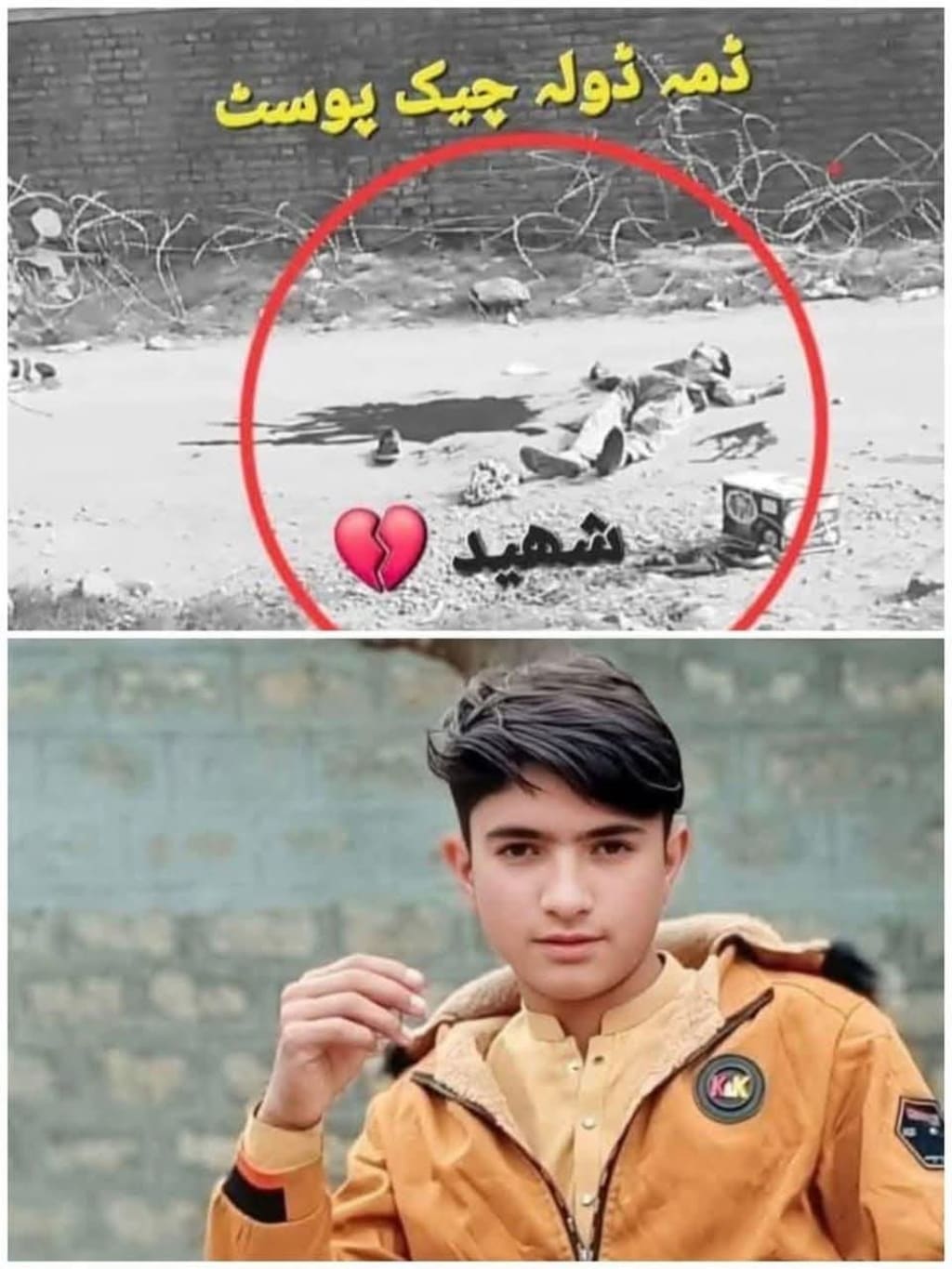
Bajaur, a land of rugged mountains and resilient people, has long been a region of struggle and survival. Its valleys echo with the voices of those who have lived for generations off the land, farming, trading, and raising families. Yet in recent years, this place—so rich in culture and history—has been overshadowed by violence and fear.
One such tragedy shook the hearts of many when a young boy’s lifeless body lay on the barren street, a casualty of bullets that pierced not only his fragile body but also the soul of Bajaur. The boy, who once wore a warm smile and held dreams as vast as the sky, now lay motionless, surrounded by dust and silence. He was neither a militant nor a criminal—just a young son of Bajaur, one of countless innocents whose lives have been cut short.
“He was only going to buy bread,” said his father, his voice shaking with grief. “He didn’t even know what danger was. We never imagined we’d be burying our child at this age.”
The people of Bajaur have been caught between power struggles for decades. Their land, rich in underground resources and strategically located, has become a prize for those seeking control. Whispers of hidden minerals and untapped wealth have drawn powerful interests, and the ones paying the price are the ordinary citizens—the men, women, and children who call this place home.
Reports suggest that civilian areas are increasingly being targeted, their voices drowned out by the sound of gunfire. Families live in constant fear, unsure if stepping out for daily chores will mean returning home alive. For them, life is no longer about dreaming of a better tomorrow—it is about surviving the day.
“We cannot even send our children to school,” said Ayesha Bibi, a mother of three. “The bullets don’t care if you’re innocent. Every day we pray to see the next sunrise.”
The tragedy of Bajaur is not just about one boy, though his story has become a symbol of the suffering. It is about countless nameless faces, stories never told, futures never realized. Mothers weep silently at night, clutching the photographs of their children. Fathers, once the pillars of their households, now stand powerless, unable to protect their families.
This violence is not spontaneous. Many believe it is tied to the wealth hidden beneath the soil of Bajaur—resources that could uplift the local population if managed fairly. Instead, the region’s treasures have become a curse, drawing exploitation and bloodshed. Those in power seem more interested in securing profits and influence than protecting lives.
“We have heard that the land holds minerals and other resources,” said tribal elder Haji Rahmatullah. “But we are poor. We don’t see any benefit from it. We only see blood.”
In the face of this, the people of Bajaur continue to show extraordinary resilience. They mourn, they rebuild, and they stand together, even as the world largely ignores their plight. Yet their patience is wearing thin. Community leaders and activists have been calling for accountability, demanding that civilian lives be safeguarded and their rights respected.
“If the government cannot protect us, at least stop targeting us,” said young activist Kareem Khan. “We are tired of living as if our lives don’t matter.”
What happened to that young boy is more than a single incident—it is a reflection of a cycle of injustice. Each bullet that strikes an innocent person fuels a growing sense of despair and anger. Each grave dug in Bajaur reminds the world of its failure to protect those most vulnerable.
But hope, though fragile, is not yet gone. There are voices—brave and unwavering—that refuse to be silenced. They are the teachers, journalists, and community elders who continue to document the truth and demand justice. Their message is clear: the people of Bajaur deserve peace, dignity, and a chance to live free from fear.
This tragedy calls for a deeper reflection. Who benefits from the bloodshed? Who profits from the chaos? And why is it that the lives of ordinary civilians are considered expendable? These questions must be answered if Bajaur is ever to heal.
The boy whose life was cut short will never return to his family. His mother’s tears will not dry quickly; his friends will always remember the times they played together, unaware that their laughter would soon be replaced by grief. Yet his story must not be forgotten. He stands as a symbol of all those whose voices have been silenced in Bajaur and beyond.
“He used to talk about becoming a doctor,” said his cousin, wiping away tears. “Now all we have left is his memory and his dreams.”
The world must not turn away. Bajaur’s wound is deep, but healing is possible if justice is prioritized over profit, if humanity triumphs over greed. Until then, the mountains will continue to witness the suffering of their people, and the land will remain stained with the blood of innocents.
For Bajaur’s children, for their future, there must be an end to the bullets. The resources of this land should be used to build schools and hospitals, not to fuel conflict. The people must be allowed to live without fear, to dream once again.
The young boy lying still in the dust of Bajaur did not ask to be a martyr. He wanted what every child deserves: safety, love, and a chance at life. His story must move hearts, spark action, and remind us all that the value of a single innocent life is far greater than any treasure hidden beneath the earth.
About the Creator
Ainullah sazo
Ainullah, an MSC graduate in Geography and Regional Planning, researches Earth’s systems, land behavior, and environmental risks. Passionate about science, he creates clear, informative content to raise awareness about geological changes.,,
Keep reading
More stories from Ainullah sazo and writers in Criminal and other communities.
Killer Mike, Young Thug and others petition Supreme Court in death sentence of man who had rap lyrics used against him in court
The usage of lyrics to condemn a man to death is wrong. Rappers like Killer Mike who articulates the nature of the game well showed his prowess with the legal documents.
By Skyler Saunders4 days ago in Criminal
She Killed Her Sister When She Gave The Teen's Virginity to Her Boyfriend
Any person who can rape and kill an innocent member of their family is truly depraved. One who later admits they enjoyed it is truly demonic. Yet, a woman who took her criminal behavior to the depths of depravity is not even behind bars.
By Criminal Matters7 days ago in Criminal




Comments
There are no comments for this story
Be the first to respond and start the conversation.