
Arizona: The Kelvin Grade Incident
Most disturbing crime of every state in U.S.A.

n November 2, 1889, a seemingly routine prisoner transport in Globe, Arizona, transformed into one of the most dramatic and unsettling episodes in the state’s history. This event, later known as the Kelvin Grade Incident, involved a series of decisions that led to a dramatic confrontation, a massive manhunt, and a legacy that continues to be discussed in Arizona’s folklore.
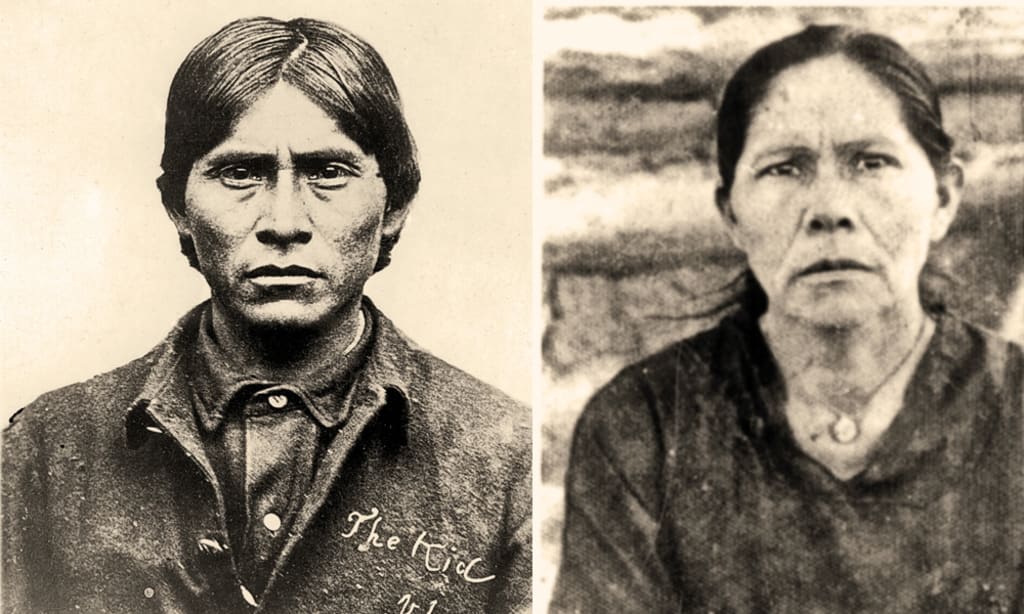
During the late 19th century, Arizona was a land of extremes. Its rugged terrain, characterized by steep mountain passes and treacherous roads, played a significant role in shaping the lives of its inhabitants. On that fateful day, Sheriff Reynolds was tasked with overseeing the transfer of nine Apache prisoners. Concerned about the dangerous nature of the Kelvin Grade Road—a path notorious for its narrow, steep curves—Reynolds decided to have the majority of the prisoners walk along the route while keeping the two deemed most dangerous inside the transport coach. Among those inside was one individual who would later come to be known as the Apache Kid, a name shrouded in mystery and controversy.
As the convoy progressed along the steep road, tensions reached a boiling point. In an unexpected turn, the prisoners launched an assault on their captors. The carefully orchestrated plan unraveled rapidly as the Apache Kid and another prisoner managed to disarm Sheriff Reynolds. In the ensuing chaos, Reynolds was fatally wounded—a loss that sent shockwaves through the local community and among law enforcement agencies alike. Sheriff Holmes, who was with Reynolds and already in poor health, suffered a fatal heart incident triggered by the overwhelming stress of the situation.
With law enforcement momentarily stunned, the prisoners seized the opportunity to overrun their captors. They swiftly took control of the situation, armed themselves with the available weapons, and made a hasty escape into the wilderness. The breakdown in control on that narrow road initiated one of the most extensive manhunts in Arizona’s history—a pursuit that would last nearly an entire year.
In the months following the incident, Arizona’s law enforcement, along with veterans of previous conflicts, mobilized to track down the escapees. The landscape of the Arizona desert, with its harsh climate and vast expanses, posed a formidable challenge. Despite the best efforts of authorities, most of the escaped prisoners were eventually either recaptured or met their end in the unforgiving environment.
Yet, the fate of the Apache Kid remained shrouded in mystery. Some accounts suggest that he perished in the desert, while others claim that he continued his life as a fugitive, slipping into the remote canyons and arroyos of the Southwest. His ability to vanish without a trace only added to the legend that surrounded his name—a symbol of the wild, untamed spirit of the American frontier.
The Kelvin Grade Incident stands as a stark reminder of how quickly order can devolve into chaos. It highlights the inherent dangers of a society operating on the edge of civilization, where the challenges of the environment amplify the consequences of human error. The incident also sparked debate over the methods employed by law enforcement at the time. Many questioned whether alternative measures could have prevented the tragedy, and discussions ensued regarding the appropriate balance between security and humane treatment of prisoners.
Today, the Kelvin Grade Incident is not only remembered for its dramatic unfolding but also for its long-lasting impact on the state’s legal and cultural landscape. The lessons learned from that day have influenced how law enforcement agencies approach prisoner transport in challenging terrains and have underscored the importance of preparedness in the face of unpredictable circumstances.
For many in Arizona, the memory of that day serves as a reminder of the resilience required to navigate a land defined by both beauty and peril. The legacy of the Kelvin Grade Incident continues to resonate, a historical echo of a time when the raw forces of nature and human passion collided in an unforgettable moment of crisis.
About the Creator
Keep reading
More stories from Sandun Nayanajith and writers in Criminal and other communities.
Alaska: The Enigma of Edward Krauss
In the rugged, vast landscapes of early 20th‑century Alaska, where isolated communities were the norm and law enforcement was often stretched thin, a man named Edward Krauss emerged as one of the region’s most puzzling figures. Although he was once regarded as a respected member of his community in Petersburg, Krauss lived a double life that ultimately led him down a dark path—one that left many unanswered questions about the nature of trust and betrayal in remote frontier towns.
By Sandun Nayanajithabout a year ago in Criminal
Killer Mike, Young Thug and others petition Supreme Court in death sentence of man who had rap lyrics used against him in court
The usage of lyrics to condemn a man to death is wrong. Rappers like Killer Mike who articulates the nature of the game well showed his prowess with the legal documents.
By Skyler Saunders3 days ago in Criminal
She Killed Her Sister When She Gave The Teen's Virginity to Her Boyfriend
Any person who can rape and kill an innocent member of their family is truly depraved. One who later admits they enjoyed it is truly demonic. Yet, a woman who took her criminal behavior to the depths of depravity is not even behind bars.
By Criminal Matters6 days ago in Criminal




Comments
There are no comments for this story
Be the first to respond and start the conversation.