
الأسباب التي أدت إلى قتل قائد الفرقة السادسة مشاة في مدينة الفاشر
The Reasons Behind the Killing of the 6th Infantry Division Commander in Al-Fasher**

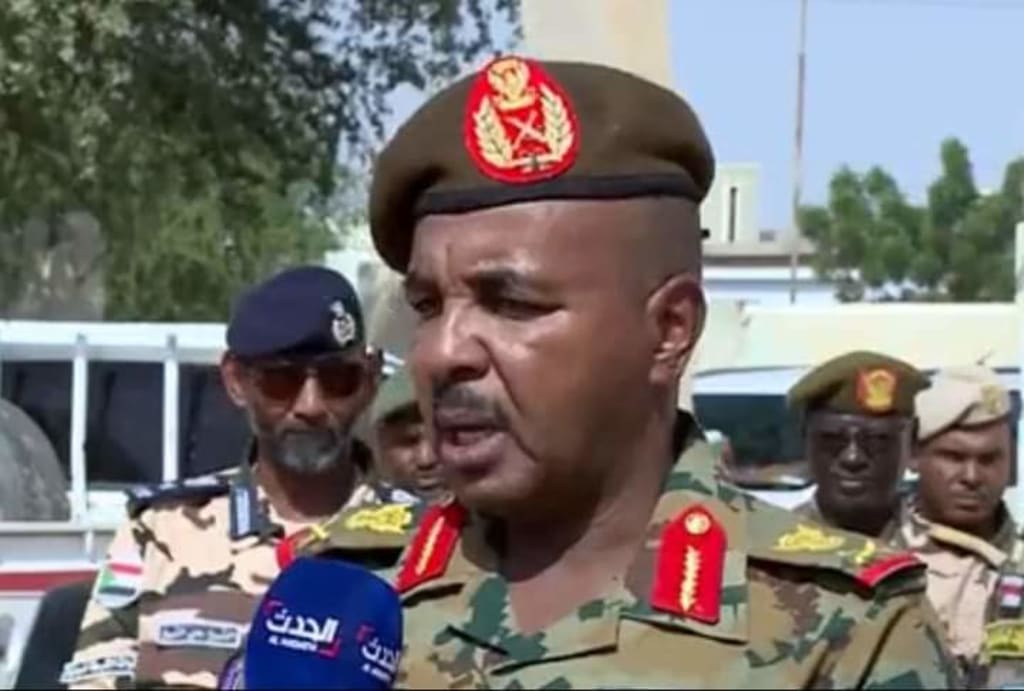
**The Reasons Behind the Killing of the 6th Infantry Division Commander in Al-Fasher**
In the military and political history of Sudan, Al-Fasher, the capital of North Darfur state, has been the scene of many significant and tragic events. One of the most notable incidents was the killing of the 6th Infantry Division Commander, which raised numerous questions and analyses regarding the underlying causes and motivations behind this event. This article aims to analyze the reasons behind the killing of this commander and the implications for the security and political situation in the region.
**Security and Political Considerations**
To understand the reasons behind the killing of the 6th Infantry Division Commander, it is essential first to examine the prevailing security and political context in Darfur. The ongoing conflict in the region since the early 2000s has significantly impacted stability. The conflict between the Sudanese government and rebel groups in Darfur has led to deteriorating security conditions and rising violence.
The deceased commander was responsible for leading military operations in this volatile area, facing significant challenges related to controlling security situations and coordinating operations against the rebels. In this complex context, the armed forces became targets for various armed groups seeking to undermine stability.
**Possible Motives Behind the Incident**
The motives behind the killing of the 6th Infantry Division Commander can be analyzed from several angles:
1. **Revenge and Political Elimination**: The incident may have resulted from a desire for revenge or political score-settling. In conflict zones, military leaders are often strategic targets for opponents who seek to undermine government morale and send strong messages. The commander might have been targeted due to his prominent role in military operations against the rebels or other armed groups.
2. **Conflict Among Armed Groups**: The killing could be the result of internal conflict among various armed factions with differing objectives. Sometimes, there may be internal score-settling among factions fighting for influence and resources, which could include targeting military leaders for strategic gains.
3. **Popular Protests and Demonstrations**: In some cases, such incidents may be linked to popular protests against government policies. If there is widespread public discontent with the government or its policies in Darfur, this sentiment might escalate into violence against military officials perceived as symbols of government power.
**Implications for the Security and Political Situation**
The killing of the 6th Infantry Division Commander has significant implications for the security and political landscape in Darfur. Among these implications are:
1. **Escalation of Violence**: The killing may lead to increased violence in the region, as government forces might seek revenge or reinforce their military presence, exacerbating tensions and negatively impacting civilians.
2. **Weakening of Military Leadership**: The death of a high-ranking commander can weaken military leadership and disrupt coordination and strategy. This can lead to confusion and inefficiency among the forces, hindering military operations.
3. **Impact on Peace Efforts**: If there are ongoing efforts to reach a peaceful resolution to the conflict in Darfur, such incidents can obstruct those efforts. Increased violence may complicate negotiations and make achieving lasting stability more challenging.
**Reactions and Consequences**
Following the killing, it is likely that there will be varied reactions from different stakeholders. The Sudanese government may respond by increasing military operations and tightening security measures, while armed groups may seek to exploit the situation to bolster their position in negotiations or on the ground. Additionally, international and local actors might intervene to support security efforts or mediate peace initiatives.
In conclusion, the killing of the 6th Infantry Division Commander in Al-Fasher is a complex event that requires a deep understanding of the political and security context in Darfur. Analyzing the potential causes and consequences can provide insights into how to address the ongoing conflict and seek effective solutions for achieving stability in the region.
About the Creator
One Mile Away: Why the Yeadon Police Department had to drive an hour to do Ephrata’s Job
The Commute to Justice On the morning of January 7, 2026, a convoy of unmarked police vehicles merged onto the Pennsylvania Turnpike. They were driving West, away from Philadelphia. They were detectives from the Yeadon Police Department (Delaware County).
By Sunshine Firecracker4 days ago in Criminal
“Daddy’s Girl” Scandal Erupts: Arizona Courts Protect Kristyn Alcott Despite Mounting Evidence of Alleged Misconduct, Deception, and Child‑Safety Failures
Maricopa County, AZ — January 13, 2026 — ”Daddy’s Girl” Scandal Explodes: Arizona Family Courts Let Disgraced Supervisor Kristyn Alcott Keep Working Amid Credible Allegations of Perjury, Impersonation, Fraud, and Child Endangerment.
By Anna Justice6 days ago in Criminal
Ludacris and Nelly draw backlash over bookings at MAGA-coded music festival
Ludacris and Nelly headlining a mostly right-wing event is good for them. It’s also great for the genre of hip hop. The two rap veterans have showcased their talents on other stages. Why can’t they perform for mostly MAGA folks and grab that bag?
By Skyler Saunders4 days ago in Beat


Comments (1)
Interesting