
A Woman Takes A Light-Hearted Selfie In The Rain, Minutes Later She Is Murdered
Her final selfie...

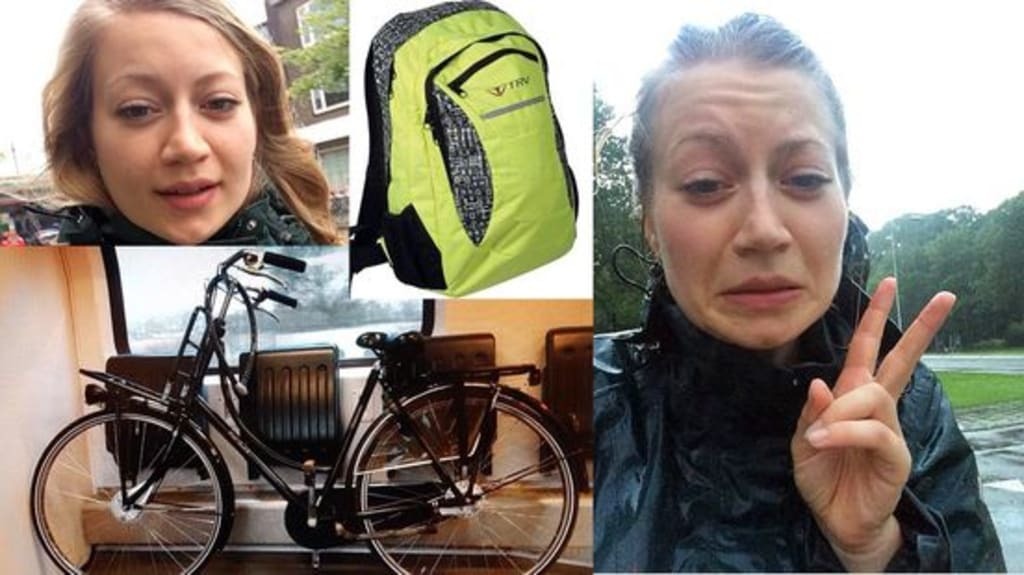
On the evening of September 29th 2017, 25 year old Anne Faber—a well-loved young woman from Utrecht in the Netherlands, set out on her usual bicycle ride at around 5pm.
She relished the fresh air of the countryside, following a familiar route that had become a cherished and peaceful part of her daily routine.

Just over an hour later, Anne texted her boyfriend to let him know she had reached the town of Hollandsche Rading, roughly eight miles from home. By then, the weather had begun to deteriorate, and rain was falling steadily.
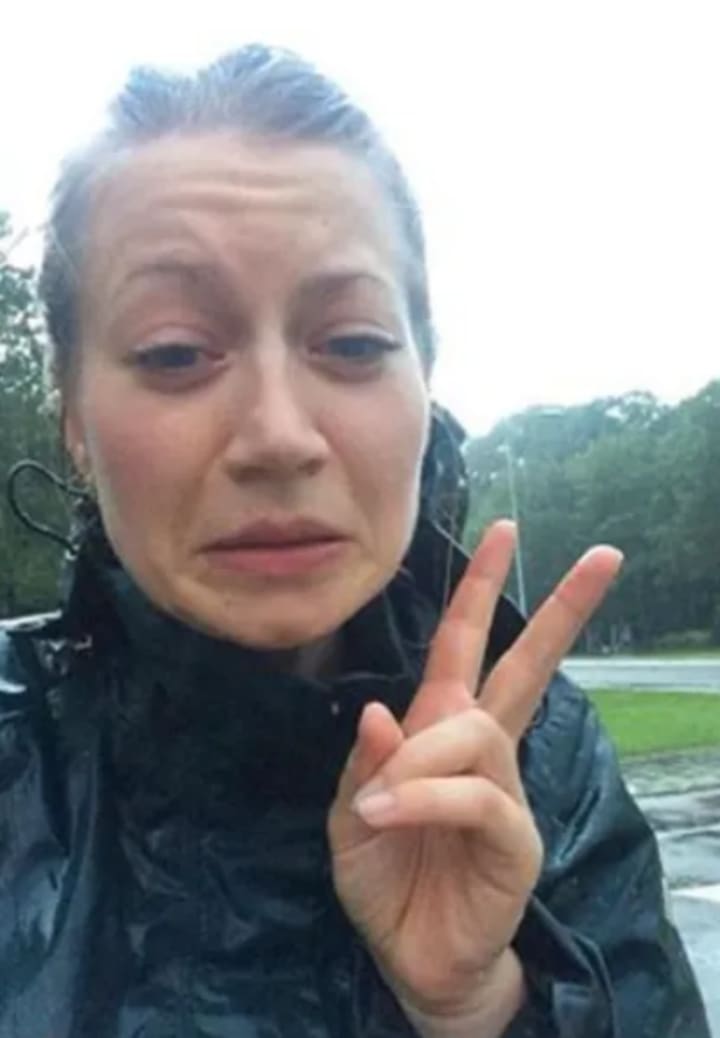
Shortly before 7pm., the rain intensified into a full-blown storm. Heavy downpours and strong winds swept through the forest paths she was riding, soaking everything in their wake. At 6:50pm., Anne stopped once more to message her boyfriend, this time sending a light-hearted selfie—drenched from the rain and flashing a peace sign.
Unbeknownst to her, it would be the final photograph she would ever take, and the last message she would ever send. Within minutes, Anne would meet a cruel fate—one that would tear her away from her loved ones forever.
At 8pm, Anne’s boyfriend sent her another text, but it went unread. She never responded. Outside, the rain continued to fall relentlessly.
As the hours passed and darkness settled in, Anne failed to return home at her usual time. Concern quickly turned to alarm, and when she still had not come back by midnight, her family and friends contacted the police to report her missing.

From the outset, the police treated the case with urgency, recognizing that Anne’s disappearance was highly unusual for a sensible young woman who followed a strict routine and stayed in regular contact with her loved ones.
A large-scale search was launched around her last known location, but there was no sign of her—or of her black bicycle. By the following day, Anne had still not been heard from, and she had missed an important appointment in Amsterdam, deepening concern for her safety.

In the days that followed, Anne’s coat was found in the town of Huis ter Heide, suggesting she had been on her way home before she disappeared.
Police began collecting CCTV footage from businesses in the area, hoping it might provide clues about her movements. Early speculation that Anne had been involved in an accident began to lose traction.
As the case made headlines, the police received roughly 300 tips. Many witnesses reported seeing her that evening, cycling through the rain, a detail that both confirmed her last known movements and deepened the mystery of what had happened next.

Meanwhile, DNA testing on Anne’s coat finally pointed investigators toward a suspect. The genetic material matched a 27 year old man from the village of Den Dolder, identified only as “Michael P,” a convicted sex offender and patient at a local psychiatric clinic.
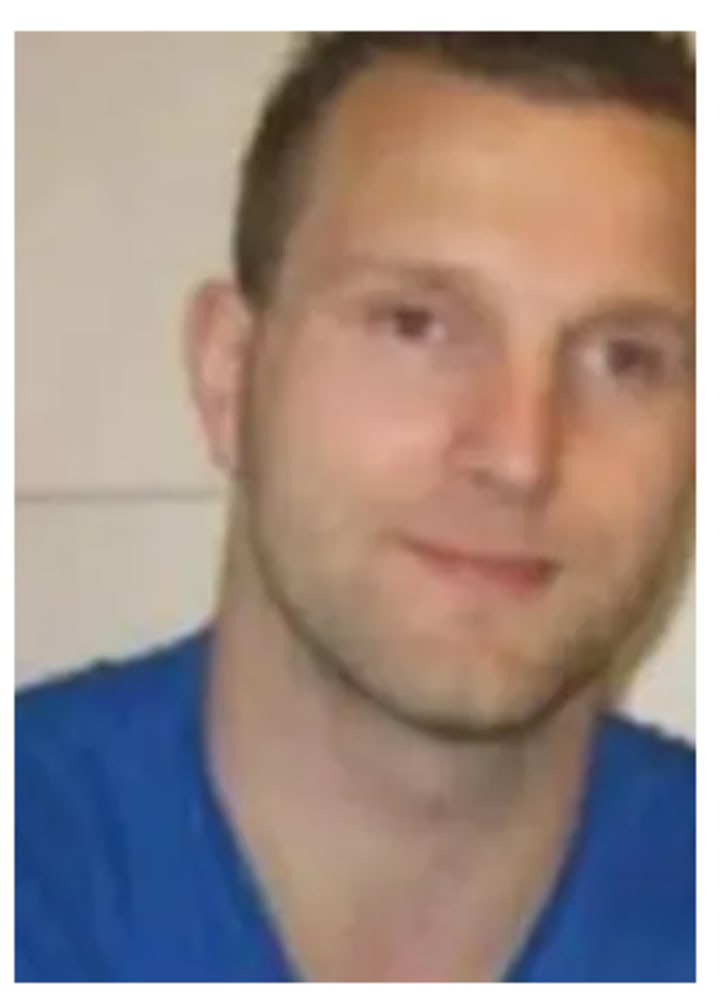
Police soon learned that Michael was undergoing rehabilitation with the aim of reintegration into society and had been granted unsupervised leave from the facility.
He was quickly tracked down and apprehended. During questioning, Michael provided a full account of how he and Anne had crossed paths, admitting to his crimes without hesitation.
Anne had cycled past the Aventurijn clinic, where Michael was a patient. Seeing her alone on a deserted road, he targeted her. He later confessed to deliberately striking her with his scooter, causing her to fall from her bicycle. He then forced her into a nearby forest, where she was left entirely at his mercy.
In the forest, Michael subjected Anne to a brutal sexual assault before stabbing her. As her cries went unheard, he strangled her, completing a merciless and premeditated attack.
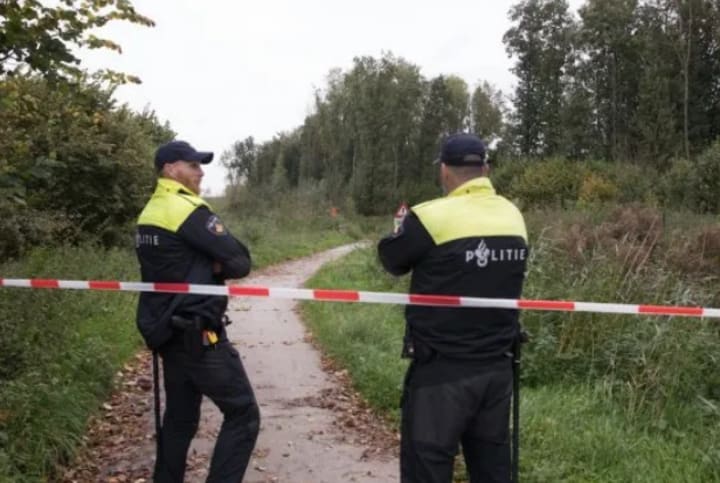
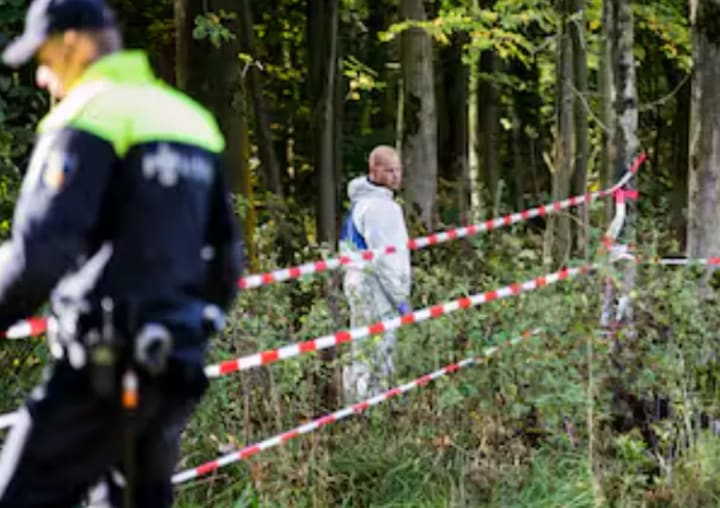
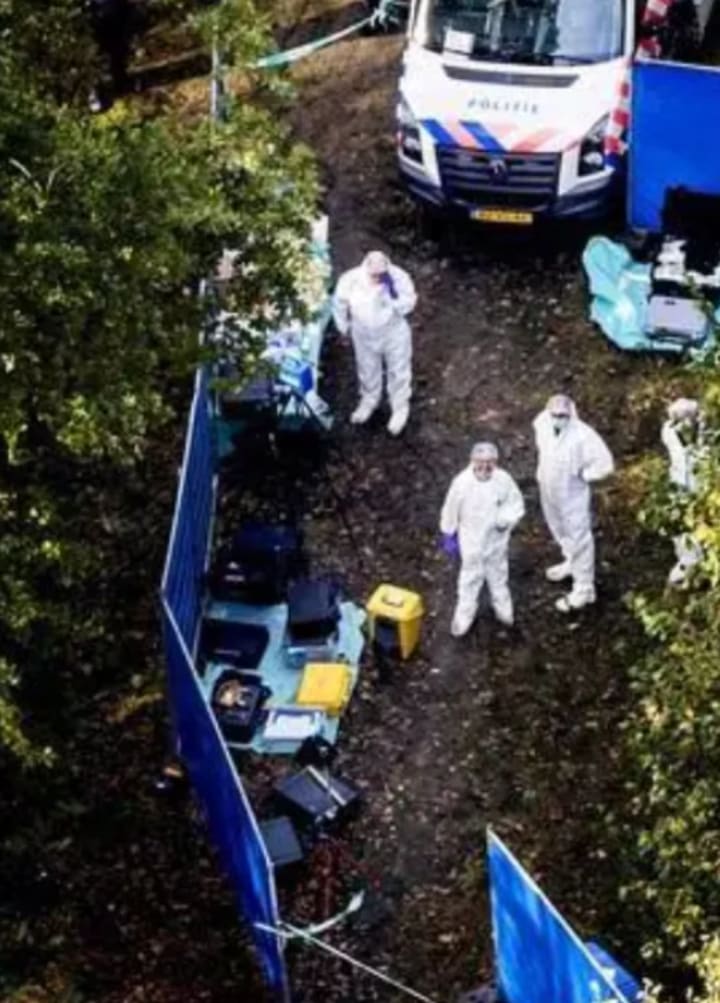
Police rushed to the Zeewolde forest, where Anne’s body was ultimately discovered on October 12th, leaving her friends and family devastated—their worst fears had been confirmed.
Michael’s criminal past remained largely under wraps, with only the knowledge that he had served an 11-year sentence for child rape and robbery. When Anne Faber’s murder trial began, he refused a psychiatric evaluation, a calculated move that effectively blocked public access to the full details of his criminal history.
At the facility where he had been receiving treatment, staff were aware of his temper and history of drug abuse but had not been informed of his prior child sex offenses. As a result, he had been granted freedoms—including unsupervised leave—that should have been restricted, putting the public at risk.
During his trial, Michael faced charges of rape, kidnapping, and murder—charges to which he admitted his guilt in January 2018.
In July of that year, he was sentenced to 28 years in prison, followed by mandatory psychiatric treatment.
Anne’s murder sent shockwaves across the Netherlands, sparking public outrage and calls for reforms to ensure that no mentally ill offender could slip through the cracks again.
Today, the rainy selfie she took that evening—once a light-hearted snapshot—stands as a haunting reminder of a life full of promise cut tragically short. Anne’s story endures as a sobering testament to the fragility of safety and the devastating consequences of violence.
About the Creator
Matesanz
I write about history, true crime and strange phenomenon from around the world, subscribe for updates! I post daily.



Comments
There are no comments for this story
Be the first to respond and start the conversation.