
15 Former Most Dangerous Prisoners Held In ADX Florence Supermax Prison
ADX Florence prison holds only the most dangerous prisoners on the planet, today we look at the top 15.

15 - Richard McNair
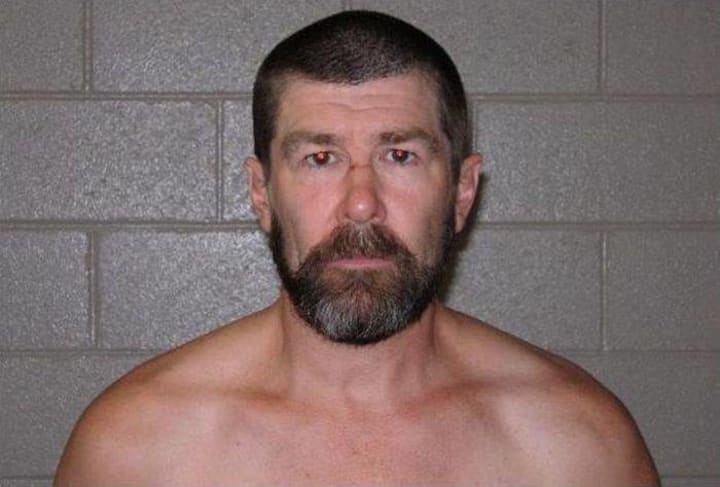
McNair's criminal history began on November 17, 1987, in Minot, North Dakota. During a botched burglary at a grain elevator, he murdered one man, Jerry Thies, and shot a second man four times, who survived.
For these crimes, McNair was sentenced to two consecutive life sentences for murder and attempted murder, along with a thirty-year prison sentence for burglary.
Known for his repeated prison escapes, he first escaped from the Minot municipal police station in 1988 by using lip balm to slip out of handcuffs.
In 1992, he escaped from the North Dakota State Penitentiary by crawling through a ventilation duct. His most famous escape occurred in 2006 from a federal prison in Pollock, Louisiana, where he mailed himself out in a pallet of mailbags.
On April 13, 2006, US Marshals added McNair to their 15 Most Wanted list. They noted that McNair was the first prisoner to escape from a federal prison since 1991.
Currently incarcerated at USP McCreary in Kentucky, McNair spent a considerable amount of time at ADX Florence due to his previous escapes and described the facility in detail.
McNair described the location as the "most secure section of the most secure prison in the world", but expressed reservations about discussing specific details of his incarceration.
"Thank God for prisons," McNair wrote. "There are some very sick people in here... Animals you would never want living near your family or the public in general.
I don't know how corrections staff deal with it. They get spit on, mentally abused and I have seen them risk their own lives and save prisoner's lives many times. He has also spent 11-days at the Federal Transfer Center in Oklahoma City.
14 - Joseph Konopka
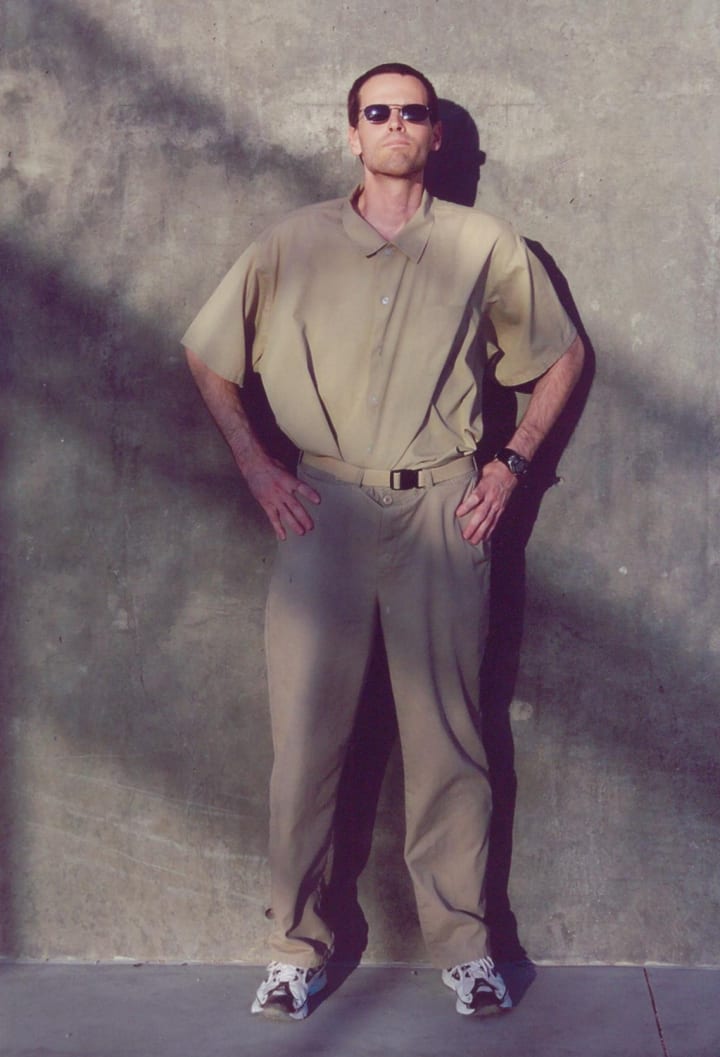
Known as "Dr. Chaos," Konopka engaged in a series of criminal acts between 1997 and 2001, often with accomplices he recruited online.
He was responsible for 28 power failures and 20 other service interruptions at Wisconsin power plants, affecting over 30,000 power customers and causing more than $800,000 in damages.
He also disrupted radio and television broadcasts, disabled an air traffic control system, and damaged computer systems of Internet service providers.
He pleaded guilty to arson, including setting fire to a building where sauerkraut was manufactured.
In 2002, he was arrested for trespassing in steam tunnels and found with sodium cyanide. He claimed he intended to use the cyanide for suicide and had no plans to harm others.
Konopka was sentenced to 13 years in prison for the cyanide possession in 2003. In 2004, he received a 21-year sentence for arson, vandalism, and trespassing, which was later overturned on appeal.
He pleaded guilty again and received an additional seven-year sentence. He served a total of 16 years of a 20-year prison sentence.
Joseph Konopka served the majority of his sentence at the "Alcatraz of the Rockies." He was later transferred to Chicago MCC a few months before his release in 2019.
13 - Omar Abdel Rahman
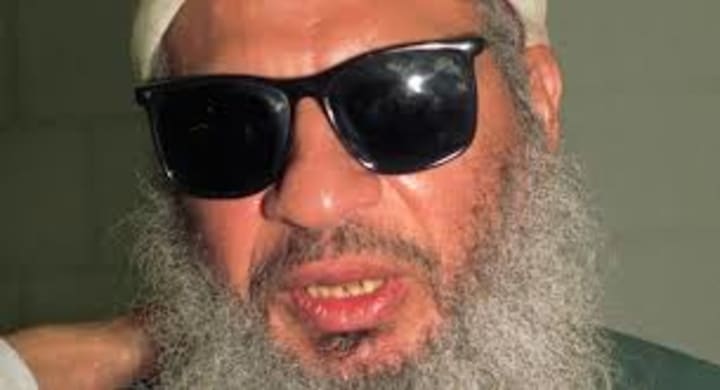
Often referred to as "the Blind Sheikh," Rahman was an Egyptian cleric convicted of multiple crimes in the United States related to terrorism.
He was convicted on October 1, 1995, of seditious conspiracy for masterminding a foiled plot to bomb prominent targets in New York City, including the United Nations headquarters, the Lincoln and Holland Tunnels, and the George Washington Bridge.
Prosecutors described this as preparing a "war of urban terrorism" in New York City.
He was also convicted of solicitation to murder Egyptian President Hosni Mubarak and conspiracy to murder President Mubarak. Further convictions included solicitation to attack a U.S. military installation and conspiracy to conduct bombings.
Although not directly convicted of the 1993 World Trade Center bombing, which killed six people and injured over a thousand, his prosecution grew out of investigations into that attack, and a number of those accused of carrying it out worshipped at his mosque.
He and his followers were found guilty of conspiring with the perpetrators of the 1993 World Trade Center bombing.
He was linked to the 1990 murder of Rabbi Meir Kahane and, in 1996, Omar Abdel Rahman was sentenced to life in solitary confinement without parole for his convictions.
He served a portion of his life sentence at ADX Florence in near-continuous solitary confinement, to limit his ability to direct operations from behind bars.
He was later transferred to the Federal Medical Center, Butner, in North Carolina, where he died of natural causes on February 18, 2017, at the age of 78.
12 - Theodore Kaczynski
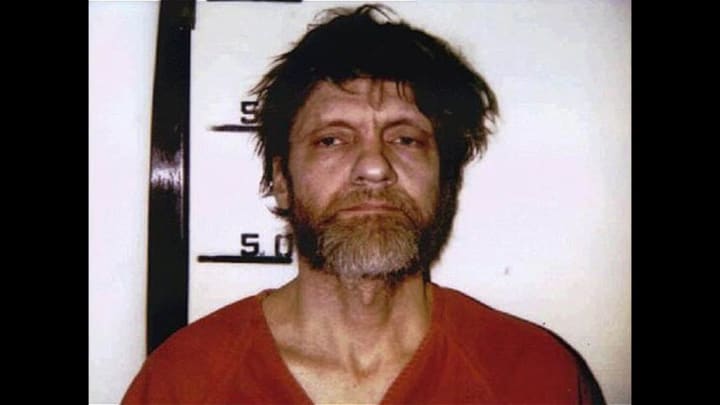
Famously known as the "Unabomber," carried out a nearly two-decade-long bombing campaign that terrorized the United States. His actions were driven by a radical anti-technology ideology.
Between 1978 and 1995, Kaczynski mailed or hand-delivered a series of increasingly sophisticated homemade bombs.
His targets were individuals and institutions he believed were advancing modern technology and destroying the natural environment. In total, his campaign involved 16 bombs, resulting in three deaths.
His first bomb, in 1978, exploded at a Chicago university, causing minor injuries. He also attempted to blow up a commercial airliner in 1979, but the device only caused smoke and forced an emergency landing.
Kaczynski often left misleading clues and inscribed the initials "FC" (for "Freedom Club") on parts of his bombs.
The FBI's investigation into the "UNABOM" (University and Airline Bomber) case was one of the longest and most expensive in US history.
The breakthrough came in 1995 when Kaczynski sent a 35,000-word manifesto, "Industrial Society and Its Future," to media outlets, threatening more attacks if it wasn't published.
In a controversial decision, The Washington Post (in conjunction with The New York Times) published the manifesto. Kaczynski's brother, David Kaczynski, recognized the writing style and ideas, leading him to alert the FBI.
Theodore Kaczynski was arrested in April 1996 at his remote cabin in Montana, where investigators found bomb components, detailed journals, and even a live bomb.
He pleaded guilty in 1998 to 13 bombing-related charges, avoiding the death penalty. He was sentenced to four consecutive life sentences plus 30 years without the possibility of parole.
Theodore Kaczynski spent the majority of his sentence at ADX Florence was part of what was informally known as "Bombers Row," a section of the prison that housed several other domestic terrorists convicted of using explosives, including Timothy McVeigh.
11 - Charles Harrelson
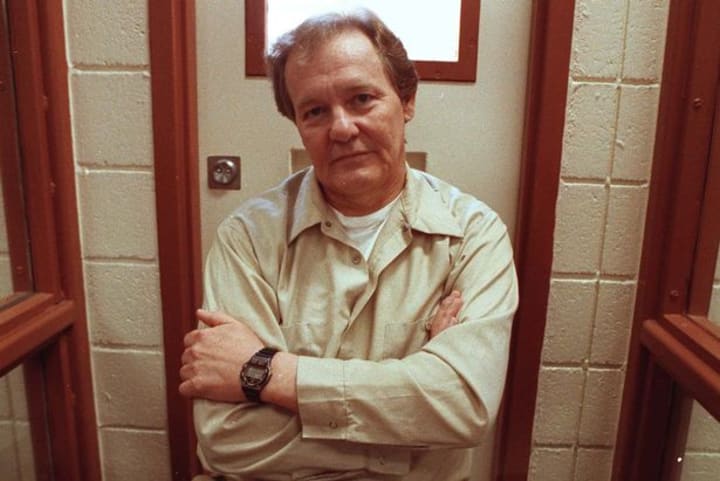
Contract killer and organized crime figure Harrelson, had a history of criminal activity dating back to the 1960s and was convicted of armed robbery in 1960 and was later connected to multiple murders.
Harrelson was convicted of the murder-for-hire of grain dealer Sam Degelia Jr. for $2,000. He was initially sentenced to 15 years in prison in 1973 but was released after five years for good behavior in 1978.
He was hired by drug kingpin Jamiel Chagra to assassinate Judge John H. Wood Jr., a federal judge known as "Maximum John" for his harsh sentences in drug cases and this became known as his most infamous crime.
Wood was shot and killed outside his San Antonio home. Harrelson was convicted in December 1982 for the murder of a federal judge, conspiracy to murder, and conspiracy to obstruct justice, receiving two life sentences.
The FBI investigation into Wood's murder was one of the most extensive since the assassination of John F. Kennedy. He was serving his sentence at a federal Prison in Atlanta before attempting to escape using a rope.
Charles Harrelson spent his final years incarcerated at USP Florence ADMAX. He was transferred there after his attempted escape from the Atlanta prison. He died in his cell at ADX Florence on March 15, 2007, at the age of 68, due to severe coronary artery disease.
10 - Mutulu Shakur
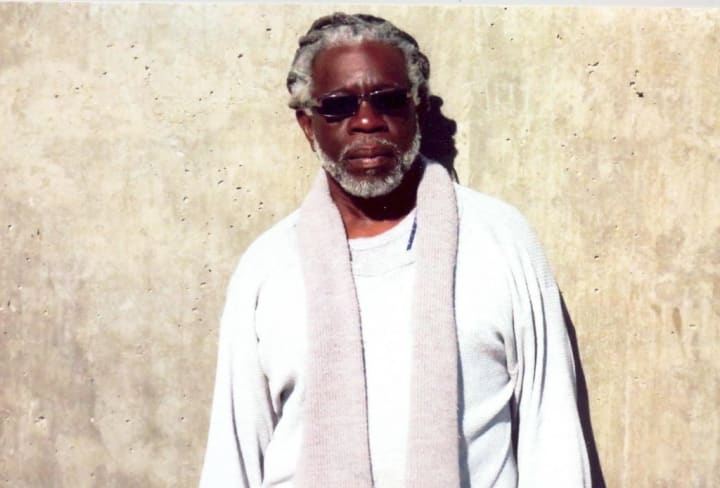
An American activist and member of the Black Liberation Army, Mutulu Shakur was convicted of conspiracy under the Racketeer Influenced and Corrupt Organizations act, more well known as RICO, in connection with a 1981 robbery of a Brinks armored truck.
In October 1981, Mutulu Shakur was involved in the robbery of a Brinks armored truck in Nanuet, New York. During the robbery, a Brinks guard and two police officers were killed.
Shakur was the alleged ringleader of the group and evaded capture for over five years, becoming the 380th person added to the FBI Ten Most Wanted Fugitives list in July 1982.
He was arrested in California in February 1986. In May 1988, he was convicted and sentenced to 60 years in prison for his involvement in the robbery, as well as racketeering and conspiracy to commit racketeering.
The charges also encompassed other robberies and engineering the 1979 prison escape of Assata Shakur.
Mutulu Shakur was incarcerated in federal prisons, and at some point, he was held at ADX Florence in Fremont County, Colorado, in the 1990s.
In 2022, after a diagnosis of terminal bone marrow cancer, the Parole Commission reconsidered his case after multiple denials.
Mutulu Shakur was granted parole in November 2022, effective December 16, 2022, due to his declining health, he was released from Federal Medical Center, Lexington, on December 16, 2022 and passed away n July 7, 2023, at the age of 72.
9 - Salvatore Gravano
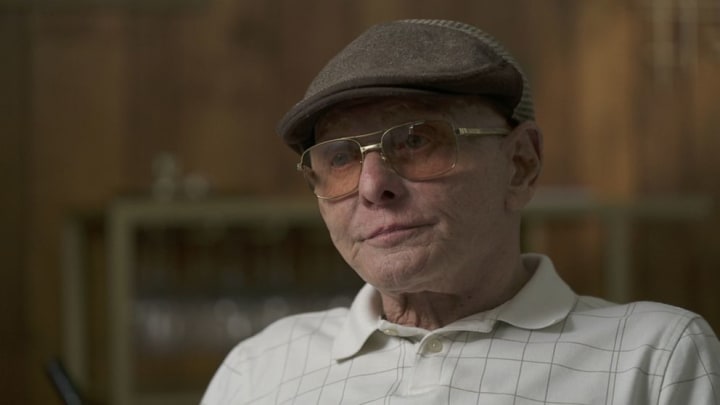
More well-known as "Sammy The Bull", this former underboss of the Gambino crime family later became a government witness.
Gravano confessed to involvement in at least 19 murders as part of his agreement to testify against John Gotti and other mob figures. These murders included the 1977 killing of a 16-year-old boy who witnessed a drive-by shooting. His first murder was in 1970, of Joseph Colucci, a fellow associate.
Gravano was involved in racketeering, loansharking, and operating illegal poker games. He made millions in mob-connected construction businesses and played a key role in planning and executing the murder of Gambino boss Paul Castellano in 1995.
After entering the Witness Protection Program and later leaving it, Gravano moved to Arizona. In the late 1990s, he became involved in a major ecstasy trafficking organization, reportedly grossing as much as $500,000 per week.
Gravano and his son were indicted on federal and state charges related to the ecstasy ring. In 2002, Gravano was sentenced in New York to 20 years in prison and in Arizona to 19 years, to run concurrently.
Salvatore Gravano served part of his sentence for the drug-related convictions at ADX Florence and was transferred there after his re-arrest in the ecstasy trafficking case. He was later released from prison in 2017 after serving nearly two decades for his drug conviction.
8 - Barry Mills
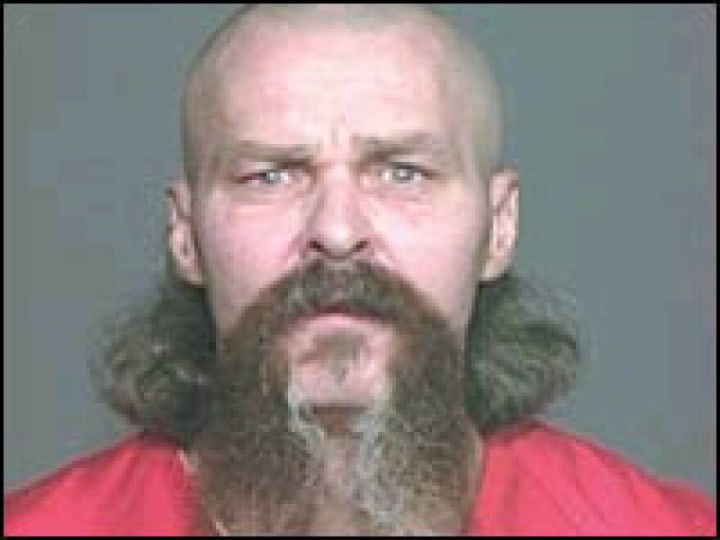
A prominent figure in the Aryan Brotherhood, a prison gang and organized crime syndicate, Mills entered the California state prison system after being convicted of armed robbery in 1996.
He was convicted of the near-decapitation of another inmate, John Marsloff, over a gambling debt at USP Atlanta.
Along with Tyler Bingham, Mills expanded the Aryan Brotherhood's operations into narcotics dealing and racketeering. In 2006, Mills and Bingham were indicted for numerous crimes, including murder, conspiracy, drug trafficking, and racketeering.
Mills and Bingham were convicted of ordering the murders of at least three inmates, Arva Ray, Frank Joyner and Abdul Salaam. The latter two were members of a rival prison gang, the D.C. Blacks, against whom Mills reportedly ordered a "race war."
Overall, Mills was convicted of at least four murders and was allegedly responsible for more. Mills was transferred to ADX Florence after his conviction in 2006 for murder, murder conspiracy, and racketeering.
Mills died in his cell at ADX Florence on July 8, 2018, the day after his 70th birthday. His death was reported as not suspicious, with signs indicating a natural death due to coronary artery disease.
7 - Anthony Casso
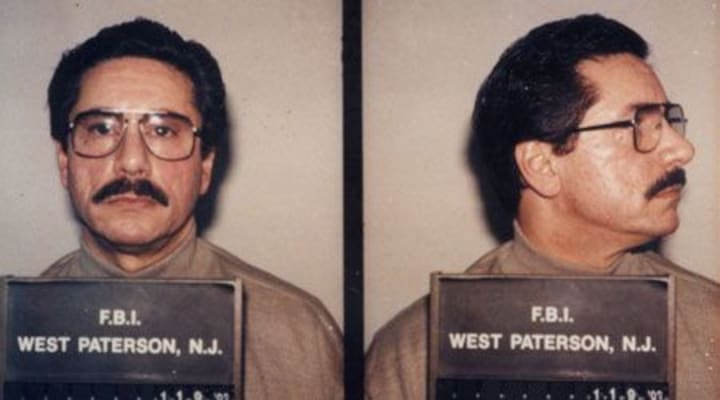
Known for his extreme violence, Casso was a notorious mobster and former underboss of the Lucchese crime family and was suspected of committing dozens of murders, confessing to involvement in between 15 and 36.
He confessed to his involvement in the murders of Frank DeCicco, Roy DeMeo, and Vladimir Reznikov. He also admitted to multiple attempts to murder Gambino family boss John Gotti.
Casso engaged in various illicit activities, including running a loan sharking operation and using violence for gambling and drug dealing rackets. He was also involved in "The Bypass Gang," a burglary ring suspected of stealing over $100 million from banks and jewelry stores.
A significant aspect of Casso's criminal history involved two highly decorated New York Police Department detectives, Stephen Caracappa and Louis Eppolito.
Casso revealed that these detectives were on his payroll and carried out at least eight murders under his orders, also leaking sensitive law enforcement information that led to other killings.
After his arrest in 1993, Casso became one of the highest-ranking Mafia members to turn informant. He entered a plea agreement, pleading guilty to 70 crimes, including racketeering, extortion, and 15 murders.
However, his cooperation agreement was later rescinded in 1998 due to infractions, including bribing guards and assaulting other inmates while in prison.
After his plea agreement was rescinded and he was removed from the witness protection program, Anthony Casso was sentenced in 1998 to 455 years in prison for racketeering, extortion, and murder.
He was subsequently incarcerated at ADX Florence, mainly for his own protection and was known to be among its most notable inmates due to the risks on his life.
Casso died on December 15, 2020, at the age of 78, while in prison in Tucson, Arizona, due to complications from COVID-19.
6 - Joel Cacace
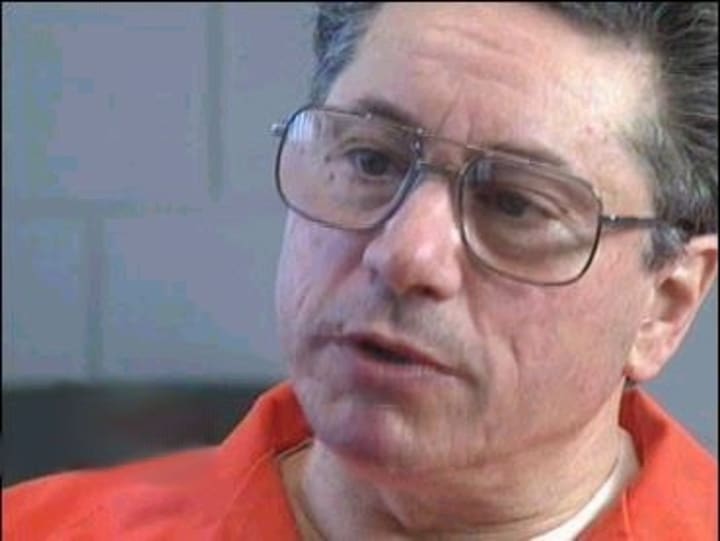
Also known as "Joe Waverly," this prominent figure in the Colombo crime family was involved in extortion, illegal gambling, and the hijacking and selling of truckloads of cigarettes.
After being ambushed and shot, Cacace disarmed one of his assailants and shot him at point blank range.
Imprisoned Colombo boss Carmine Persico ordered Cacace to kill federal prosecutors William Aronwald and Rudy Giuliani.
Cacace arranged for the murder of Aronwald and although the intended target was William Aronwald, the actual victim was his father, George Aronwald, who was mistakenly killed.
Furious about the Aronwald murder, the heads of the other New York "Five Families" demanded the killing of the hitmen, brothers Vincent and Eddie Carnini.
Cacace then recruited others to kill the Carnini brothers. Concerned about the loyalty of his own assassins, Cacace allegedly decided to murder them as well.
Cacace was also involved in the unrelated murder of former New York Police Department officer Carlo Antonino.
During the Colombo War, Cacace, supporting the Victor Orena faction, attempted to kill Gregory Scarpa, a hitman aligned with the Persico faction, on two separate occasions. Scarpa escaped unharmed from both attempts.
On August 13, 2004, Cacace pleaded guilty to charges of extortion, illegal gambling, and the four murders of Antonino, Aronwald, Variale, and Santora. He was sentenced to 20 years in prison on September 8, 2004.
On December 18, 2008, Cacace was charged with ordering the 1997 murder of NYPD officer Ralph Dols. He was later acquitted of this charge in 2013.
Joel Cacace was imprisoned at ADX Florence in Florence, Colorado, following his 2004 conviction before being transferred to other facilities, including the United States Penitentiary, Beaumont in Texas, the Tucson Federal Correctional Institution in Arizona, and FCI Ashland in Kentucky.
He was released from prison on May 22, 2020 and, interestingly, since his release, he is the alleged current underboss of the family.
5 - Dandeny Muñoz Mosquera
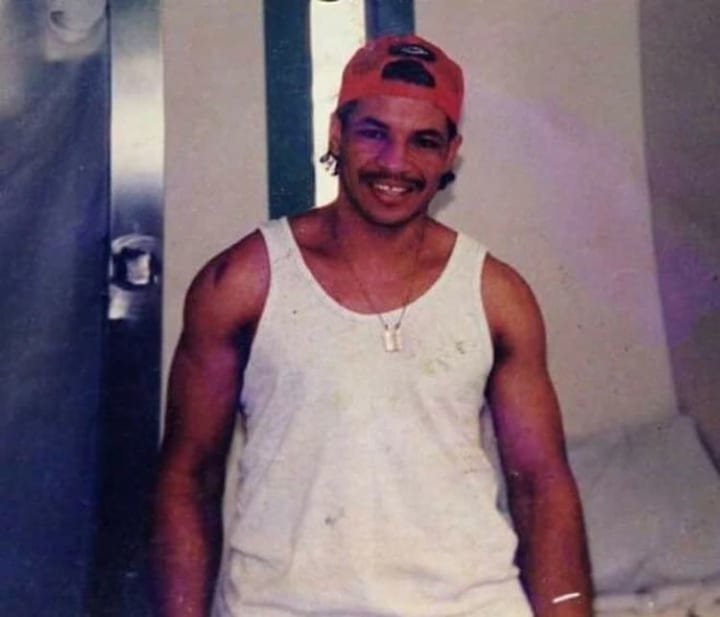
Also known as "La Quica," Mosquera was a notorious hitman for the Colombian Medellín Cartel, led by Pablo Escobar.
He was described as Escobar's "chief assassin" and is linked by US authorities to the deaths of over 220 people, including members of both the Medellín and Cali Cartels, police officers, and government officials.
Colombian authorities connect him to the deaths of over 40 police officers and other crimes including terrorism, murder, drug trafficking, forgery and the 1989 bombing of Avianca Flight 203 which killed 110 civilians.
He was the first person to be convicted under a 1956 federal law that made bombing a civilian aircraft a crime and a 1986 terrorism statute that allows the trial of foreign citizens in the United States if at least one victim was an American citizen.
Other convicted crimes included conspiracy to import and distribute cocaine, participating and conspiring to participate in a racketeering enterprise and engaging in a continuing criminal enterprise.
He was also convicted in 1991, for being one of the main conspirators in the assassination of Luis Carlos Galán, a candidate in the Colombian presidential election.
Dandeny Muñoz Mosquera was arrested on September 25, 1991, in Queens, New York, for traveling with a fake passport. He was initially sentenced to six years for lying to a federal officer and possessing a fake passport.
In 1994, after a mistrial in his first attempt, he was convicted on all thirteen counts in his second trial and sentenced to 10 consecutive life sentences without the possibility of parole, plus 45 years.
While he was initially housed at United States Penitentiary, Marion, and later listed as a former inmate at ADX Florence, he is currently incarcerated at United States Penitentiary, Atwater, in California and has served time at USP Lee.
4 - Nicodemo Scarfo
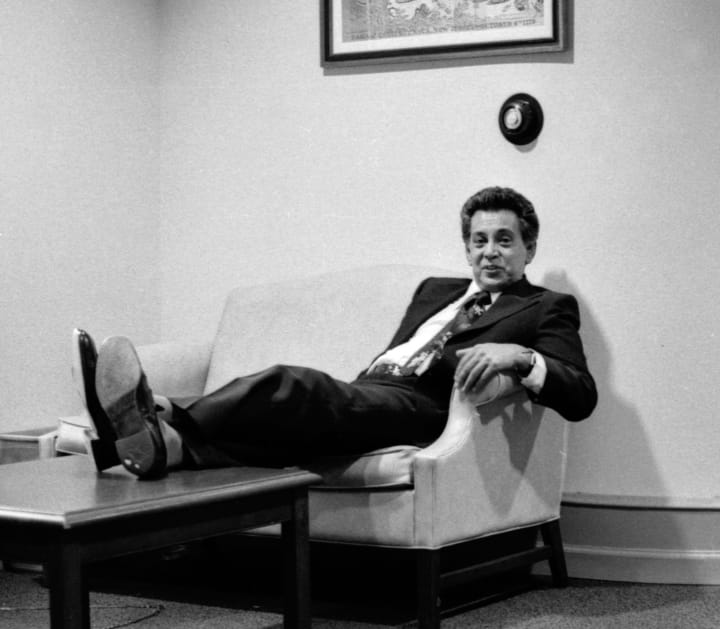
Known as "Little Nicky," Scarfo was a prominent American mobster who served as the boss of the Philadelphia crime family from 1981 to 1990 and his leadership marked a particularly violent period for the family.
Scarfo's criminal history began early, with a conviction for manslaughter in 1963 for fatally stabbing a longshoreman, a crime which he served time for in prison.
As the boss of the Philadelphia-South Jersey Mob, Scarfo engaged in a wide range of illegal activities, including Racketeering and racketeering conspiracy, murder, extortion, loansharking and bookmaking.
In 1989, he was sentenced to life in prison (later overturned) for the 1985 slaying of bookmaker Frank "Frankie Flowers" D'Alfonso.
He was also involved in ordering many other murders. Five members of his crime family turned state's evidence against him, and their testimony detailed assassinations ordered by Scarfo when victims broke the organization's rules.
In 1988, he was acquitted in the 1984 murder of Salvatore Testa but was sentenced to a 14-year term in 1988 for extorting a developer to pay a $1 million bribe to a Philadelphia city councilman.
While briefly held at ADX, Scarfo was transferred to the FCI Butner Medium, a medium-security facility but died at the Federal Medical Center in North Carolina in 2017 while serving his 55-year sentence.
3 - Osiel Cárdenas Guillén
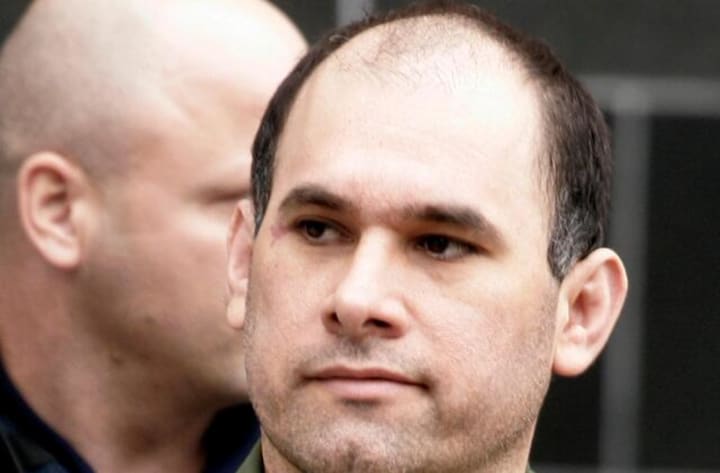
Known by various nicknames such as "El Loco," "El Patrón," "Padrino," "Memo," "El Viejón," and "El Mata Amigos" Guillén was a prominent Mexican drug lord who led the Gulf Cartel from 1996 until his capture in 2003.
He was known for his ruthlessness and for forming the cartel's armed wing, Los Zetas, by recruiting over 30 deserters from the Grupo Aeromóvil de Fuerzas Especiales.
He was convicted of conspiracy to possess cocaine and marijuana with intent to distribute. He also solidified alliances with Colombian cartels, overseeing numerous cocaine shipments from South America to Mexico.
He was convicted on three counts of threatening to assault and murder federal agents. This stemmed from an incident where he allegedly threatened to kill a Texas sheriff's deputy working as an undercover ICE agent because the agent refused to deliver a large quantity of marijuana.
Guillén was involved in murders, earning him the nickname "Friend Killer" after assassinating Salvador Gómez Herrera, co-leader of the Gulf Cartel and a close friend. Mexican authorities also have pending charges against him for homicide.
In 1989, he was arrested in Matamoros for homicide, abuse of trust, and property damage. He was released on bail. In 1990, he was imprisoned again for threats and injuries, but released the same day on bail.
Osiel Cárdenas Guillén was extradited to the United States on January 19, 2007, to face 19 charges in a Houston court and was sentenced to 25 years imprisonment and a $50 million fine after pleading guilty to the charges on February 24, 2010.
During his incarceration in the U.S., he was imprisoned at various facilities that included USP Florence High, USP Lewisburg and USP Terre Haute, but was most notably held at ADX.
After his release from USP Terre Haute on August 30, 2024, he was deported to Mexico and immediately arrested there, with his current accommodation listed as the maximum-security Altiplano prison outside Mexico City.
2 - Thomas Silverstein
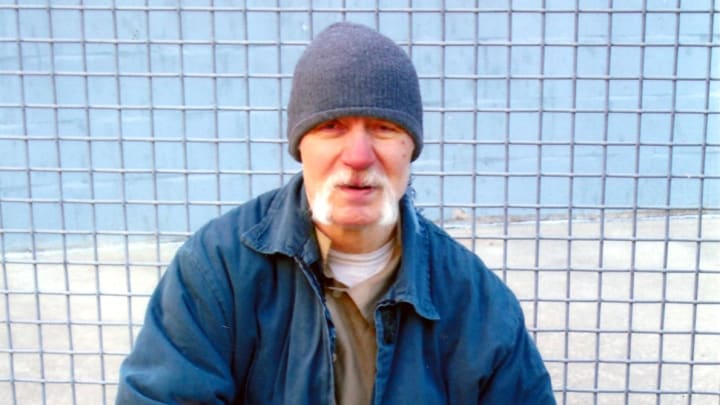
One of Americas most famous criminals, Silverstein's criminal history began with armed robbery. He was initially sent to San Quentin Prison in California in 1971 for armed robbery.
After being paroled, he was arrested again for three armed robberies in 1977 and sentenced to 15 years, to be served at the United States Penitentiary in Leavenworth, Kansas.
Silverstein was convicted of the Murder of inmate Danny Atwell after he reportedly refused to serve as a mule for heroin being moved through Leavenworth prison.
Silverstein was sentenced to life for this, but the conviction was overturned in 1985 after it was revealed that jailhouse informants had perjured themselves.
Silverstein and another inmate were convicted of strangling Robert Chappelle, a member of the D.C. Blacks prison gang, with a cord through cell bars at USP Marion in 1981.
In 1983, Silverstein killed again, this time with inmate Clayton Fountain who attacked Frank Lee Smith with improvised weapons, stabbing him 67 times.
They then displayed his body to other prisoners and Silverstein was convicted of first-degree murder for killing Smith and received another life sentence.
While at USP Marion, Silverstein killed officer Clutts. He was let out of his cell for a shower and used a ruse to get Clutts to walk ahead of him, obtaining a homemade knife from another inmate to attack Clutts.
Silverstein later claimed he murdered Clutts in retaliation for harassment, including the alleged destruction of his artwork. This event, along with the murder of another officer by Clayton Fountain, was a catalyst for the design of ADX Florence.
Following the murder of Officer Clutts in 1983, Silverstein's security status was recorded as "no human contact." He was held in extreme solitary confinement for 36 years, reportedly the longest-held prisoner in solitary confinement within the Bureau of Prisons at the time of his death.
While at ADX, the prison built primarily due to his extreme behavior, he was housed in a specially designed cell, sometimes referred to as "Range 13," which was soundproof.
While inside Florence, he had a window, access to television and art supplies, and frequent contact with staff, but died on May 11, 2019, at the age of 67, after undergoing heart surgery.
1 - Khalfan Khamis Mohamed
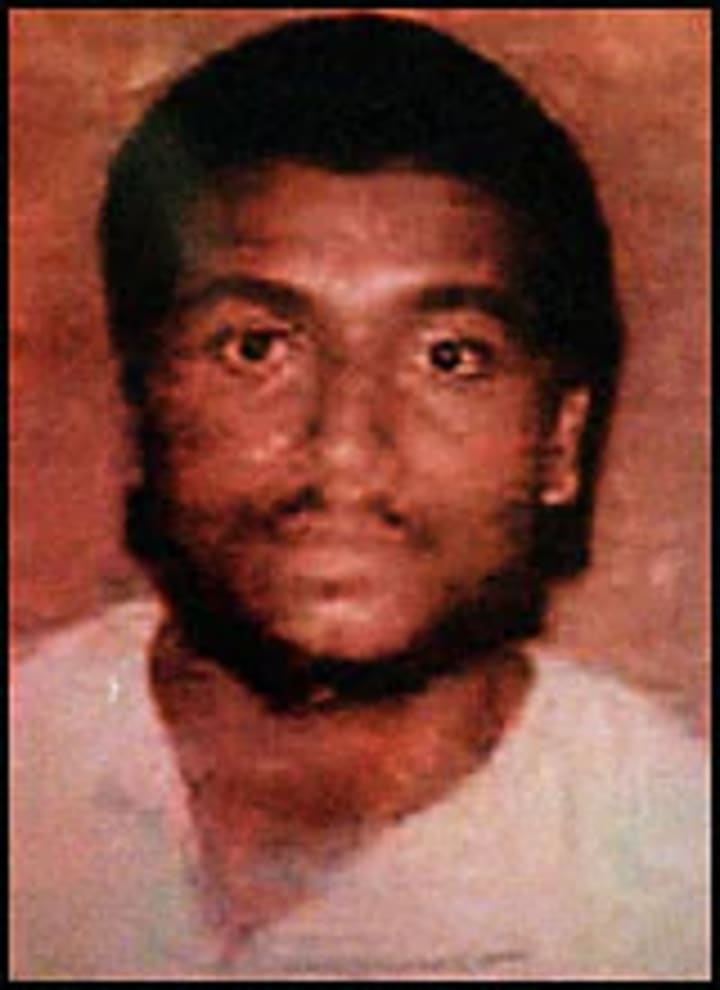
A Tanzanian national, Khamis Mohamed was a key figure in the 1998 United States embassy bombings and was one of four individuals convicted for their roles in the attacks.
He was found guilty of murdering 11 people in the Dar es Salaam attack. He was also convicted of murdering two U.S. employees due to their duties and destroying U.S. property, which resulted in death.
Convicted of conspiracy to kill Americans and participate in a terrorist conspiracy against Americans, evidence presented during his trial indicated he was recruited by al-Qaeda, received militant training in Afghanistan, and helped assemble the bomb used in Dar es Salaam.
He rented the truck and house used as the bomb factory, assisted in grinding the TNT, and rode partway to the embassy with the suicide bomber before cleaning up the house to remove evidence.
While awaiting trial, on November 2, 2000, Mohamed and another al-Qaeda suspect, Mamdouh Mahmud Salim, attacked a federal prison guard in a failed escape attempt that left the officer severely injured.
Khalfan Khamis Mohamed was arrested in Cape Town, South Africa, on October 5, 1999, and extradited to New York the following day.
In May 2001, he was convicted by a federal jury. Although prosecutors sought the death penalty due to the threat he posed, including the attack on the prison guard, the jury was unable to reach a unanimous verdict for capital punishment.
Consequently, in July 2001, Khalfan Khamis Mohamed was sentenced to life imprisonment without the possibility of parole.
He was held in a high-security federal prison, including a period at ADX Florence, but was transferred from ADMAX to the neighboring USP Florence High where he remains to this day.
About the Creator
Vidello Productions
My name is William Jackson, a YouTube content creator and crypto enthusiast with over 161,000 subscribers and I make videos that are focused on the billionaire lifestyle and crime.
Content consists of top list videos.
Keep reading
More stories from Vidello Productions and writers in Criminal and other communities.
Push To Prevent Catapults Being Bought By Children
MP’s have been warned to put new legislation in place that will help to close a loophole in the law which allows people including children to legally buy weapons which is capable of killing wildlife. The alert was issued during a briefing in parliament which set out growing evidence that catapults were being misused against animals and to damage other people’s private property. The Naturewatch Foundation who hosted the session expanded on their message that at the moment there is a completely unregulated system where people of any age can buy weapons and there are no meaningful controls on sale or power.
By Ashish Prabhu5 days ago in Criminal


Comments
There are no comments for this story
Be the first to respond and start the conversation.