
UAE Abruptly Cuts Aid to Vital Hospitals After Withdrawing From Yemen
Sudden suspension of Emirati support raises humanitarian concerns as Yemen’s fragile health system faces renewed pressure

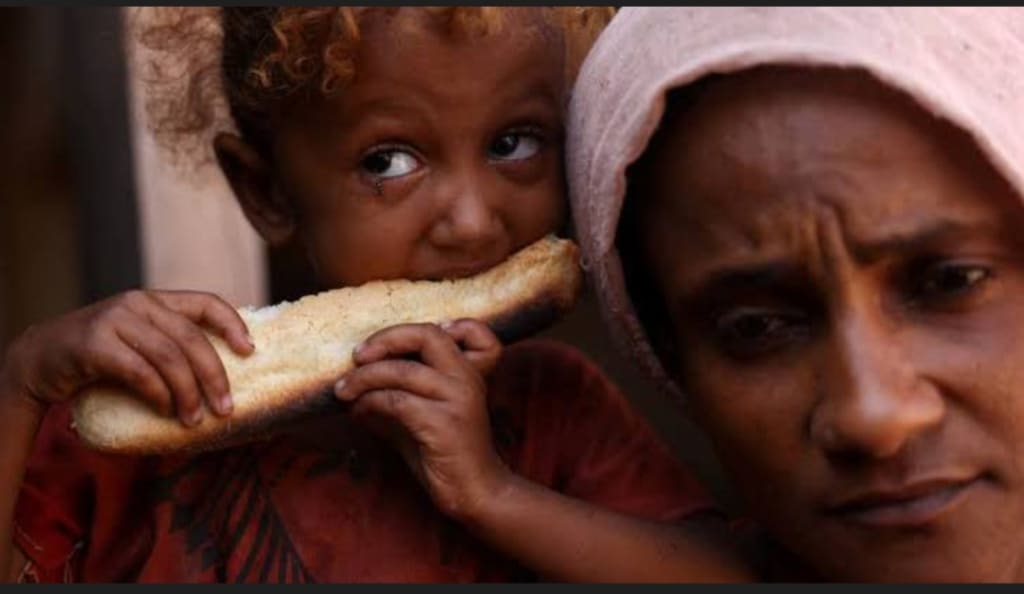
The United Arab Emirates’ abrupt decision to cut aid to several vital hospitals in Yemen following its withdrawal from the country has sparked serious concern among humanitarian groups, medical workers, and international observers. The move comes at a time when Yemen’s healthcare system—already weakened by nearly a decade of conflict—remains heavily dependent on external assistance to function. For many Yemenis, the loss of Emirati-funded medical support could have immediate and life-threatening consequences.
---
Background: UAE’s Role in Yemen
The UAE was a key member of the Saudi-led coalition that intervened in Yemen’s civil war in 2015. Over the years, Abu Dhabi played a dual role: a military actor on the ground and a major humanitarian donor. Emirati funding supported hospitals, mobile clinics, vaccination campaigns, and emergency care facilities, particularly in southern Yemen and along the western coast.
Although the UAE announced a drawdown of its military presence in Yemen in 2019, it maintained influence through local allies and continued funding critical humanitarian and health projects. Hospitals supported by the UAE often served as the primary source of care for war-wounded civilians, mothers, and children in areas where the state health system had effectively collapsed.
The recent decision to abruptly halt this assistance marks a significant shift in Emirati engagement and has raised questions about the long-term sustainability of healthcare services in affected regions.
---
Hospitals Caught Off Guard
Medical staff and local authorities report that the aid cut was sudden, with little to no warning. Several hospitals that relied on Emirati funding for salaries, fuel for generators, medical supplies, and equipment maintenance found themselves scrambling to stay operational.
In a country where electricity shortages are routine and fuel prices are prohibitively high, hospitals depend on donor support just to keep lights on and life-saving equipment running. The withdrawal of funds has already forced some facilities to scale back services, delay surgeries, or reduce outpatient care. Others warn they may be forced to close entirely if alternative funding is not secured.
For patients, particularly in rural and conflict-affected areas, these hospitals are often the only accessible source of emergency and specialized care.
---
A Health System on the Brink
Yemen’s healthcare system is widely regarded as one of the most fragile in the world. Years of war have damaged infrastructure, driven medical professionals out of the country, and disrupted supply chains. According to international aid agencies, more than half of Yemen’s health facilities are only partially functioning or completely out of service.
Malnutrition, cholera, dengue fever, and other preventable diseases remain widespread. Maternal and child mortality rates are among the highest globally. In this context, donor-backed hospitals play a critical role in preventing an even deeper humanitarian catastrophe.
The sudden loss of UAE support threatens to undo years of incremental progress made in stabilizing healthcare delivery in certain regions.
---
Humanitarian and Political Implications
Humanitarian organizations have expressed alarm over the decision, urging donors to ensure continuity of essential services regardless of political or military shifts. Aid groups stress that healthcare should be insulated from geopolitical calculations, particularly in a country facing what the United Nations has repeatedly described as one of the world’s worst humanitarian crises.
Politically, the move has fueled speculation about changing regional priorities. Some analysts suggest the aid cut reflects the UAE’s desire to fully disengage from Yemen as attention shifts to domestic economic goals and other regional interests. Others argue it may be a pressure tactic aimed at local partners or rival factions within Yemen.
Regardless of motivation, the immediate impact is felt most acutely by ordinary Yemenis, not political actors.
---
Local and International Reactions
Local officials and community leaders have appealed to the UAE to reconsider or at least implement a gradual transition that allows hospitals time to secure alternative funding. International agencies have also called on other donors to step in, warning that gaps in healthcare financing can quickly lead to preventable deaths.
However, global humanitarian funding is already stretched thin due to crises in other parts of the world. Aid agencies caution that replacing a major donor like the UAE will not be easy, especially on short notice.
---
What Comes Next
The future of the affected hospitals remains uncertain. Some may seek support from international NGOs or UN agencies, while others hope the Yemeni government or local authorities can provide emergency assistance. Yet Yemen’s own public finances are severely constrained, limiting the scope of any domestic response.
Longer term, the situation underscores the vulnerability of aid-dependent systems in conflict zones. When donor priorities change abruptly, essential services can collapse overnight, leaving civilians to bear the cost.
---
Conclusion
The UAE’s abrupt cut to hospital aid following its withdrawal from Yemen highlights the fragile intersection between politics, conflict, and humanitarian assistance. As vital medical facilities struggle to stay open, the decision risks deepening Yemen’s already severe health crisis. Without swift intervention from alternative donors or a reassessment of funding strategies, countless Yemenis may lose access to the care they desperately need—turning a political shift into a human tragedy.
About the Creator
Keep reading
More stories from Salaar Jamali and writers in Confessions and other communities.
Philly Faces a Potential Major Winter Storm — And the Snow May Stay for Days
If you live in the Philadelphia region, it’s time to think winter seriously. Weather forecasts from multiple trusted agencies now point to a major winter storm heading toward the Mid‑Atlantic this weekend—and it’s shaping up to be one of the most significant snow events of the season. More than just a light dusting, this storm could deliver several inches of snow that lingers much longer than usual, potentially turning the city and its suburbs into a true winter wonderland.
By Salaar Jamali2 days ago in Confessions
Thoughts on Vocal and the way the world is
"Death cannot stop true love, only delay it." – Wesley in The Princess Bride. I decided to come back to Vocal on a very cold and dark night at the end of December. I had been, and still am, convalescing from a horrible staph infection that had gone misdiagnosed for months. This, paired with the increasing challenges of being healthy, making the best choices for my co-parented child, being a wife, and being a director at a new job, was a lot to manage.
By Jazzy 6 days ago in Confessions
They Said Girls Don’t Do That. Turns Out We Always Have
There was a moment on my social media feed recently that felt small and huge at the same time. A woman on video leaned in and said, half joking, half reverent, “When the enemies finally become lovers and no one’s home.” There was a soft buzzing sound underneath the audio. Anyone who understood it understood it immediately. Anyone who didn’t was about to learn. The comment section exploded. Women laughing, women nodding, women confessing, women admitting, women asking, “Wait… we’re allowed to do that?” Like they needed permission. Like someone had to sign it off. Like there had ever been a rulebook handed out in the first place.
By No One’s Daughter8 days ago in Confessions


Comments
There are no comments for this story
Be the first to respond and start the conversation.