
The Success Paradox: Why Chasing Achievement Doesn’t Always Lead to Fulfillment
Rethinking Ambition in a World Obsessed with Winning
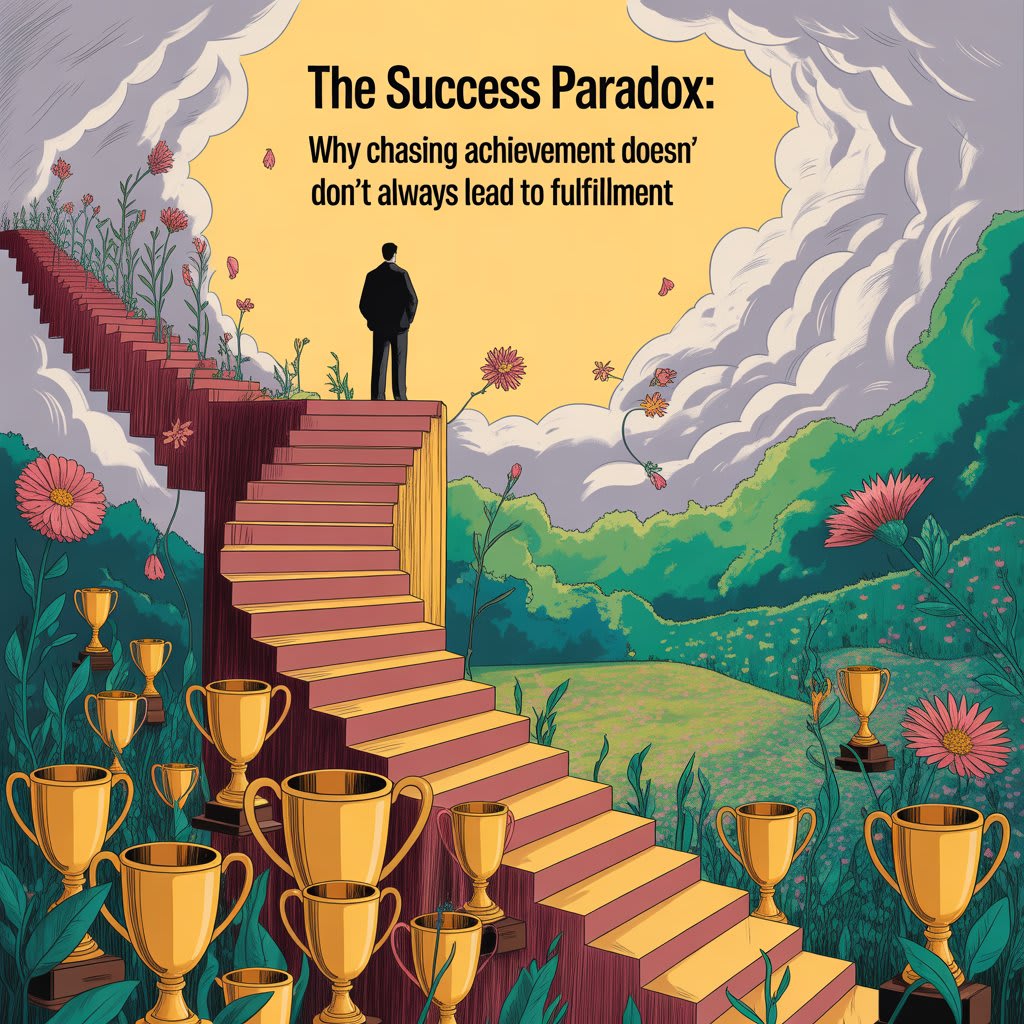
Introduction: The Hidden Cost of Success
Success is one of the most celebrated ideals in modern society. From an early age, we’re taught to strive for high grades, secure prestigious jobs, earn financial wealth, and collect achievements that symbolize progress. The message is clear: success equals happiness. Yet, as countless high achievers have discovered, the pursuit of success doesn’t always guarantee the deep sense of fulfillment we crave. This phenomenon—the success paradox—highlights how chasing external milestones can sometimes leave us emptier than before.
In a world that glorifies ambition, it’s worth asking: why does reaching the top so often feel unsatisfying? And more importantly, how can we redefine success so that it actually enhances our well-being instead of draining it?
The Illusion of the Finish Line
One of the key elements of the success paradox is the belief that fulfillment lies just beyond the next achievement. We convince ourselves that once we land that promotion, buy the bigger house, or publish the book, we’ll finally feel whole. Psychologists call this the arrival fallacy—the idea that happiness awaits us at the finish line.
But the reality is that the finish line keeps moving. Once we achieve one goal, we quickly set our sights on the next. The thrill of accomplishment fades faster than we expect, leaving us stuck in an endless loop of striving without satisfaction.
This is why some of the world’s most accomplished people, from Olympic athletes to CEOs, often report feelings of emptiness after reaching their greatest milestones. The victory is sweet—but fleeting.
The Role of External Validation
Another reason chasing success often fails to bring fulfillment is that many of our goals are shaped by external validation rather than internal desires. We live in a culture that constantly measures worth through visible achievements: awards, job titles, wealth, and social media recognition.
When success is tied to the approval of others, it becomes fragile. If our achievements go unnoticed, or if we compare ourselves to someone “more successful,” the sense of satisfaction evaporates. Instead of focusing on what genuinely matters to us, we get caught in the trap of performing for others.
True fulfillment, however, comes from aligning goals with personal values rather than societal expectations. Without that alignment, even the grandest accomplishments can feel hollow.
The Burnout Trap
Chasing success at all costs often comes with another hidden price: burnout. Modern ambition tends to encourage long hours, constant productivity, and a sacrifice of personal well-being in the name of achievement.
The irony is that while burnout might help us cross short-term finish lines, it erodes our ability to enjoy the very rewards we’ve been working toward. Exhaustion, stress, and strained relationships leave little room for fulfillment.
The burnout trap shows us that success pursued without balance can quickly turn into self-sabotage. We may end up “winning” in the traditional sense but losing in terms of health, happiness, and meaningful connection.
Redefining Success: From Achievement to Alignment
If the traditional model of success doesn’t lead to fulfillment, then how should we define it? The key lies in alignment—making sure our actions match our deeper values and passions.
Instead of asking, “What will make me look successful?” we might ask, “What kind of life feels meaningful to me?” For some, that might mean building a business. For others, it could mean raising a family, volunteering, or creating art.
Success becomes less about what we achieve and more about how authentically we live. When our daily actions align with our true priorities, fulfillment naturally follows—even if those actions don’t earn applause from the outside world.
The Importance of Intrinsic Motivation
Psychologists often distinguish between extrinsic motivation (doing something for external rewards) and intrinsic motivation (doing something because it’s personally meaningful or enjoyable). The success paradox emerges when we prioritize the former over the latter.
Research consistently shows that people who pursue intrinsically motivated goals—like personal growth, creativity, or community—report higher levels of life satisfaction than those chasing wealth, status, or fame. This doesn’t mean ambition is bad, but rather that ambition needs to be rooted in authentic purpose to truly satisfy.
When we focus on intrinsic motivation, success shifts from being a trophy to being a way of life.
Success as a Journey, Not a Destination
Another way to escape the success paradox is by shifting perspective: seeing success as a journey rather than a destination. If we only measure success by outcomes—salary, awards, or recognition—we rob ourselves of the joy of the process.
For example, a writer who only finds worth in publishing a bestseller might miss the satisfaction of writing every day. An athlete obsessed with winning gold may overlook the joy of training, growing, and connecting with teammates.
When we learn to find fulfillment in the process itself, success stops being a faraway dream and becomes a lived reality in the present moment.
The Role of Gratitude and Contentment
One of the most powerful antidotes to the success paradox is gratitude. By appreciating what we already have, we shift our focus from what’s missing to what’s present. Contentment doesn’t mean abandoning ambition, but it creates a foundation of well-being that prevents us from constantly chasing more.
Gratitude reframes success not as something to be achieved in the future but as something we can experience today. It helps us celebrate small wins, value relationships, and find joy in everyday experiences—things often overlooked in the race toward achievement.
Learning from Cultures with Different Measures of Success
Interestingly, not all cultures define success the same way. In some societies, success is less about individual achievement and more about community well-being, balance, and harmony.
For example, in Scandinavian countries, the concept of “lagom”—living with just the right amount—emphasizes moderation and balance rather than endless striving. In Japan, the idea of “ikigai”—a reason for being—highlights purpose as a key measure of a meaningful life.
By looking beyond Western models of success, we can broaden our perspective and create definitions that prioritize fulfillment over status.
Practical Steps Toward Redefining Success
For those caught in the success paradox, small shifts can make a big difference:
Reflect on values – Identify what matters most to you, beyond societal expectations.
Set intrinsic goals – Pursue goals that bring personal joy or meaning, not just external rewards.
Celebrate progress – Acknowledge growth and effort, not just end results.
Prioritize well-being – Balance ambition with rest, relationships, and self-care.
Practice gratitude – Cultivate daily habits of appreciating what you already have.
Redefine milestones – Create measures of success that reflect fulfillment rather than comparison.
These practices don’t mean giving up on ambition. Instead, they ensure that ambition enhances life rather than detracts from it.
Conclusion: Success Reimagined
The success paradox teaches us an important truth: achievement alone doesn’t guarantee fulfillment. While society often equates success with status and recognition, true satisfaction comes from alignment with values, intrinsic motivation, and presence in the journey.
Chasing the traditional markers of success without reflection can leave us perpetually unsatisfied, no matter how many goals we achieve. But when we redefine success on our own terms—prioritizing purpose, connection, and well-being—we discover that fulfillment is not a distant prize. It’s something we can experience every day.
Ultimately, success is not about how high we climb but about how deeply we live.
About the Creator
Keep reading
More stories from Aiman Shahid and writers in Confessions and other communities.
The Joy of Missing Out: Why Saying No Creates Space for What Truly Matters
Introduction In today’s hyperconnected world, it feels like there’s always something happening just out of reach. A friend’s weekend trip, a trending event, a new restaurant opening, or even a viral online conversation—all can stir up a sense of unease that we’re somehow falling behind. This is the well-known “Fear of Missing Out” (FOMO), a modern anxiety rooted in comparison, overstimulation, and the pressure to be everywhere at once.
By Aiman Shahid5 months ago in Confessions
I Missed the Meeting, But the Fire Cats Stayed
I’m sitting here watching a strange video—three orange cats, neon-bright, glowing like embers. The number 333 keeps flashing on the screen, and for some reason it feels intentional, like the universe is tapping me on the shoulder instead of shaking me awake. The sound from the TV hums softly, almost like a bonfire crackling on a beach. Fire cats. That’s what they are. I don’t know why that comforts me, but it does.
By Jhon smith3 days ago in Confessions




Comments
There are no comments for this story
Be the first to respond and start the conversation.