
The Psychological Impact of Natural Disasters on Claims Investigators
How setting boundaries, finding purpose, and supporting colleagues can help claims investigators navigate emotional challenges.
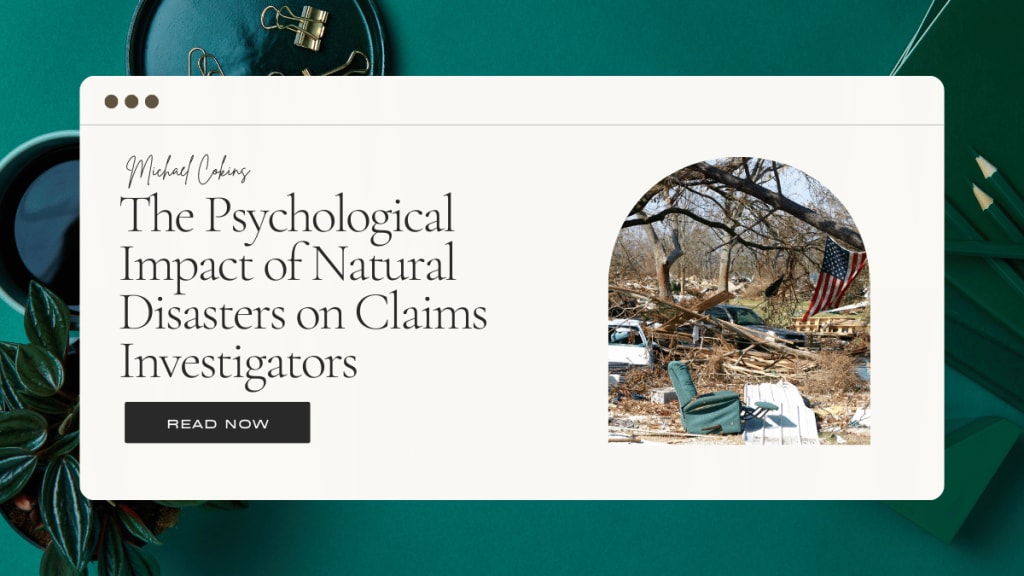
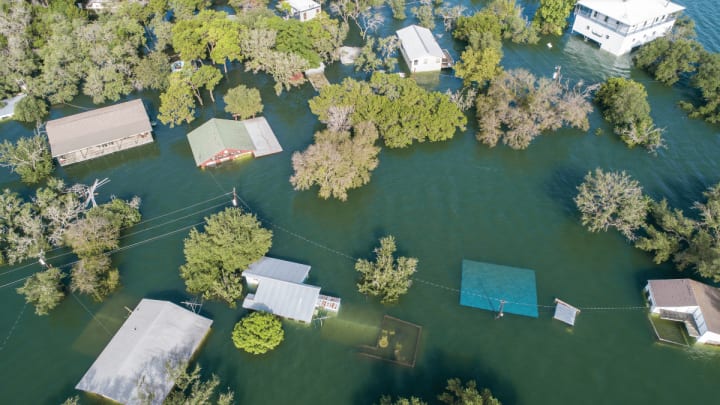
Natural disasters leave lasting impressions on everyone they touch. For those of us in claims investigation, these events are not just one-time experiences. We see the aftermath repeatedly, stepping into lives marked by loss and devastation. For over 20 years, I've navigated the storm-damaged homes of Houston and the hurricane-battered neighborhoods of New Orleans. The emotional toll can be significant.
Most people think of insurance claims as numbers, forms, and calculations. They forget about the human side, both for the claimant and for the investigator. Witnessing the raw aftermath is different from seeing it on TV. On the ground, you face the people behind each claim, and they're often hurt, stressed, and searching for answers.
Disaster Doesn't Define the Work
It's easy to think that disaster claims work is all heavy, tragic. But, if you let it become all-consuming, the job can feel unmanageable. So, here's my take: don't let these experiences define the work. Instead, focus on the purpose. You're there to bring structure, relief, and some certainty to people whose lives feel turned upside down. This perspective shift has helped me maintain a balance, to view my role as more than simply witnessing disaster.
Keeping the work manageable isn't about ignoring what's in front of you. It's about framing it in a way that doesn't consume you. Every home I step into, I remind myself that my presence brings a glimmer of recovery. It's my job to bring hope through action.
My Experience Facing Emotional Highs and Lows
Some days are harder than others. After Hurricane Katrina, I walked through streets littered with debris, the smell of dampness and decay lingering in the air. People had lost their homes, their possessions - often their sense of security. In these moments, there's no room for personal emotions; you focus on the task. But the sights and sounds can linger in your mind. Years later, I still remember the children's drawings on water-stained walls or family photos buried in mud.
These are images that don't just fade. They resurface, especially when another disaster strikes. It's natural to relive past experiences when stepping into new scenes. What I've learned over time is that recognizing these triggers is key. They're reminders of where I've been and what I've helped people overcome.
Coping Mechanisms
For many of us, finding stability in this career is about developing strategies that make it sustainable. Here are a few that have worked for me:
Set Clear Boundaries: Work-life balance isn't just a buzzword. After each assignment, I draw a line. I don't carry the work into my personal life. This boundary keeps me focused, keeps me sane. When I'm off, I'm off, and I make time for activities that recharge me.
Use Visualization Techniques: Visualization may sound odd, but I've found it effective. Before each assignment, I imagine myself completing the job, offering reassurance to clients, and then stepping away. This mental rehearsal helps reduce stress. It sets the stage for a productive visit.
Practice Regular Debriefing: Talking about what you've seen and felt is powerful. Some of my colleagues shy away from this, feeling they should "tough it out." I disagree. Sharing the experience, even with one trusted colleague, makes a difference. It's a form of release, and it keeps things from building up.
Supporting Colleagues
In this line of work, it's important to look out for each other. The experiences we share are unique, and the demands can be high. When I see a colleague struggling, I don't ignore it. Here's what I suggest for anyone who wants to support their team:
Check-in Without Pressure: Sometimes a simple "How are you handling everything?" goes a long way. It opens the door without pushing anyone too far. Just knowing someone else sees what they're going through can be a relief.
Share What Works for You: I often share my strategies with my team - visualization, boundaries, debriefing. But I'm careful not to force them. What works for one person might not work for another. I've found that hearing different coping mechanisms helps people choose their own approach.
Encourage Time Off: Rest and recovery aren't luxuries; they're necessities in disaster work. I've seen the benefits of taking time off firsthand. When someone looks burnt out, I encourage them to take a day, a weekend, even a week if needed. A refreshed investigator is a more effective one.
Building Resilience
Resilience isn't about being unfazed by disaster. It's about facing the emotional challenges head-on. It's about acknowledging that the job has a toll and finding ways to manage it. By developing our personal coping mechanisms and supporting each other, we can continue to serve with purpose without letting the work consume us.
If you're new to this line of work, remember: it's not about ignoring the hard stuff. It's about framing it in a way that keeps you ready to lend a hand when disaster strikes again.
About the Creator
Keep reading
More stories from writers in Confessions and other communities.
Thoughts on Vocal and the way the world is
"Death cannot stop true love, only delay it." – Wesley in The Princess Bride. I decided to come back to Vocal on a very cold and dark night at the end of December. I had been, and still am, convalescing from a horrible staph infection that had gone misdiagnosed for months. This, paired with the increasing challenges of being healthy, making the best choices for my co-parented child, being a wife, and being a director at a new job, was a lot to manage.
By Jazzy 16 days ago in Confessions
At Some Point, My Nervous System Fired HR
At Some Point, My Nervous System Fired HR. I don’t remember the exact day it happened, but I know the moment. The moment my nervous system looked at my life, sighed deeply, closed its laptop, and said, “Yeah… we’re not doing this shit anymore.”
By Dakota Denise 2 days ago in Confessions
After the Storm
After the storm of winter snow there sat a small bear by the name Ted, of course. He loves the snow and likes to roll around in it making all sorts of trails and whatever he has a mind to do. He wondered where all the people are, but in a way, he is hoping that they are all snug in the homes maybe drinking hot chocolate-one of his favorite drinks with mini-marshmallows and eating something homemade for he likes this winter wonderland all to himself to romp and play and maybe even catch some fish down by the river.
By Mark Graham5 days ago in Fiction




Comments
There are no comments for this story
Be the first to respond and start the conversation.