
The Courage to Be Imperfect: Why Flaws Make Us Human
Embracing Vulnerability as the Path to Authentic Living
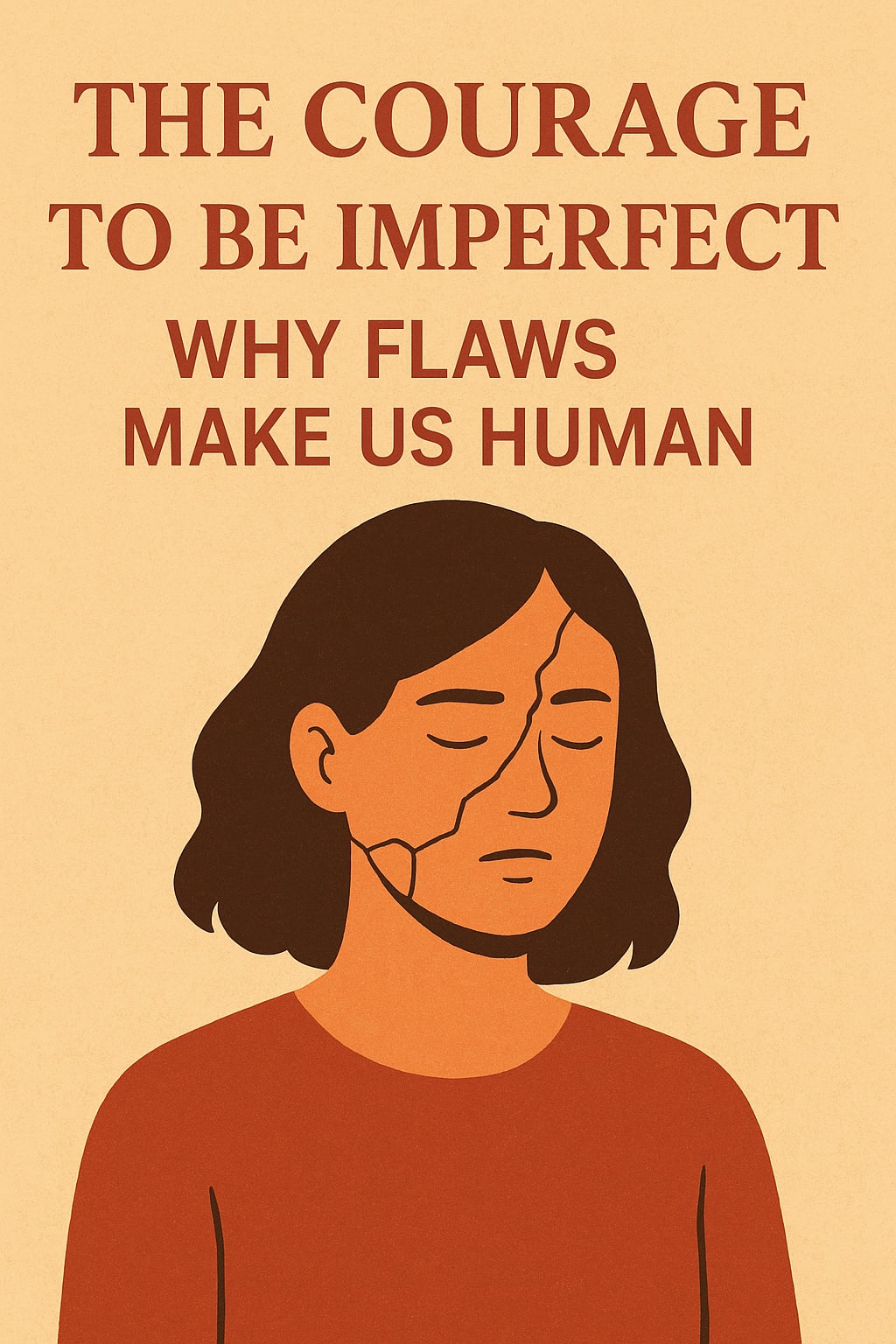
Introduction: The Myth of Perfection
We live in a world that glorifies perfection. From polished Instagram feeds to carefully curated résumés, society often rewards those who appear flawless. We are taught early on to “be the best,” to achieve without stumbling, and to hide our vulnerabilities. Yet, behind this constant striving lies a truth we often forget: perfection is an illusion, and our flaws are what make us real, relatable, and deeply human.
The courage to be imperfect is not about lowering standards or settling for less. Rather, it is about embracing our humanity—our mistakes, our limitations, and our quirks—as vital parts of our identity. By owning our flaws, we unlock deeper connections, genuine self-worth, and the freedom to live authentically.
The Trap of Perfectionism
Perfectionism is often disguised as a strength. It drives people to work harder, polish their skills, and push their boundaries. But at its core, perfectionism is rooted in fear—the fear of judgment, rejection, or failure. Instead of motivating us, it often paralyzes us.
Psychologists note that perfectionism is strongly linked to anxiety, depression, and burnout. When we measure our worth by an impossible standard, every slip feels like a failure of character rather than a natural part of growth. We stop taking risks because mistakes feel too costly. And in the process, we limit not just our potential but also our joy.
Flaws as the Fabric of Humanity
To be human is to be flawed. Our imperfections—whether they are physical, emotional, or behavioral—are not weaknesses to erase but signatures of individuality. Consider how we often bond with others: not through their flawless achievements, but through shared struggles, vulnerabilities, and stories of failure.
When someone admits they are nervous before a big presentation, we feel empathy. When a friend confesses that they made a mistake, we feel closer to them. Flaws create bridges, not barriers. They remind us that we are not alone in our struggles.
In art, literature, and even history, the most celebrated stories are not about flawless characters but about resilience in the face of imperfection. Heroes are admired not because they never fail, but because they stumble and rise again.
The Power of Vulnerability
Researcher Brené Brown famously highlighted vulnerability as the birthplace of courage, creativity, and connection. To show our imperfect selves requires bravery, especially in a world that pressures us to project strength. But vulnerability is what allows others to truly see us.
When we share our insecurities or admit we don’t have all the answers, we give others permission to do the same. This creates trust. Vulnerability dismantles the walls of perfectionism and fosters real relationships—whether in families, friendships, or workplaces.
Think about the times you felt closest to someone. Chances are, it wasn’t when they impressed you with perfection but when they showed you their raw, unfiltered humanity.
Redefining Success Through Imperfection
Success is often defined in terms of flawless execution: straight A’s, perfect performances, error-free outcomes. But real growth doesn’t happen in perfection; it happens in failure and recovery. Mistakes are feedback, not final verdicts.
Thomas Edison, when asked about his many failed attempts at creating the light bulb, famously said, “I have not failed. I’ve just found 10,000 ways that won’t work.” His imperfections were steppingstones, not stumbling blocks.
When we learn to embrace imperfection, we shift from a fixed mindset to a growth mindset. Instead of asking, “What if I fail?” we ask, “What can I learn?” This small shift transforms pressure into possibility and fear into curiosity.
The Cost of Hiding Flaws
Ironically, the more we try to appear perfect, the less authentic we become. We wear masks—pretending to have it all together, suppressing our insecurities, and presenting curated versions of ourselves. Over time, this act becomes exhausting.
Hiding flaws creates distance. If we can only show people the best parts of ourselves, we never truly feel known or accepted. And if love or approval is based on a false image, we constantly fear it will disappear when the “real us” is revealed.
On the other hand, when we allow ourselves to be seen as imperfect, we discover a more lasting kind of acceptance—one rooted in truth rather than illusion.
Flaws as a Source of Strength
What if our flaws are not just tolerable but valuable? Consider the Japanese art of kintsugi, where broken pottery is repaired with gold, highlighting rather than hiding the cracks. The philosophy behind it is simple yet profound: things become more beautiful not despite their flaws, but because of them.
Similarly, our personal cracks—the moments of failure, heartbreak, or struggle—add richness to our lives. They build resilience, empathy, and humility. A person who has faced setbacks is often better equipped to support others, lead with compassion, and approach life with perspective.
Our imperfections are not scars to conceal but stories to share.
Practical Steps to Embrace Imperfection
Embracing flaws is easier said than done. Years of conditioning make us fear mistakes and hide weaknesses. But with practice, we can slowly cultivate the courage to be imperfect. Here are a few steps:
Reframe mistakes as lessons. Instead of labeling errors as failures, ask, “What did this teach me?”
Practice self-compassion. Treat yourself with the same kindness you would offer a friend who is struggling.
Celebrate authenticity over approval. Notice when you’re choosing to impress rather than connect, and gently shift toward honesty.
Share small vulnerabilities. Start by admitting little imperfections in safe spaces—it builds confidence for bigger truths.
Embrace progress, not perfection. Focus on growth over time, not on flawless outcomes.
Why Society Needs Imperfect People
Perfectionism is not just an individual issue; it has societal consequences. When leaders pretend to be flawless, they lose credibility. When workplaces demand perfection, creativity suffers. When cultures punish mistakes, progress slows.
What we need are people willing to embrace imperfection openly. Leaders who admit they don’t have all the answers. Innovators who are unafraid to fail. Parents and teachers who model resilience instead of perfectionism. Friends who show up as they are, not as they think they should be.
By normalizing imperfection, we create a culture of honesty, growth, and belonging.
Conclusion: The Courage to Be Real
The courage to be imperfect is ultimately the courage to be real. It is the decision to stop performing and start living. It is the choice to value connection over approval, progress over perfection, and authenticity over image.
Flaws do not make us weak—they make us human. And in our humanity lies our greatest strength. When we embrace vulnerability, we not only free ourselves from the exhausting chase of perfection but also invite others to do the same.
In a world obsessed with flawless appearances, imperfection becomes a quiet rebellion—a reminder that beauty lies not in being without cracks, but in allowing the light to shine through them.
About the Creator
Keep reading
More stories from Aiman Shahid and writers in Confessions and other communities.
The Price of Perfection: Why Chasing Flawlessness Keeps Us from Living Fully
Perfection is one of those words that sounds beautiful on the surface. It suggests order, harmony, and excellence. But when perfection becomes the standard by which we measure our lives, it often brings more harm than good. The pursuit of flawlessness can leave us anxious, dissatisfied, and disconnected from the richness of real human experience.
By Aiman Shahid4 months ago in Confessions


Comments
There are no comments for this story
Be the first to respond and start the conversation.