
Married vs. Unmarried: A Thoughtful Comparison
Exploring the Differences, Challenges, and Joys of Married and Single Life

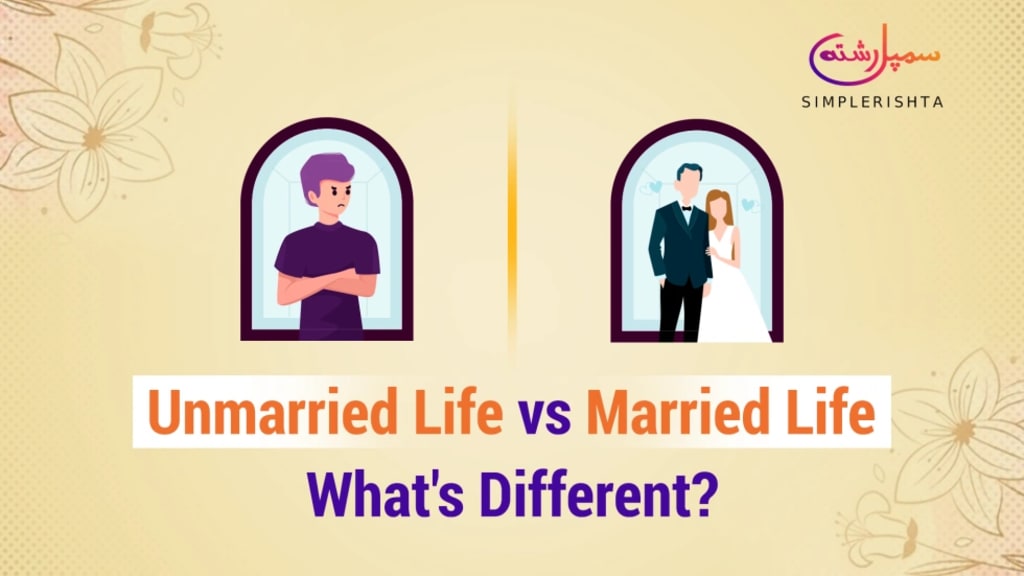
In every society, marriage is often viewed as one of the most significant milestones in a person’s life. At the same time, remaining unmarried has also gained recognition as a valid lifestyle choice. Both paths come with unique advantages, struggles, and experiences that shape individuals differently. While some people dream of companionship, family, and shared responsibilities, others prefer freedom, independence, and self-discovery. Comparing married and unmarried life is not about proving which is superior; instead, it is about understanding the different ways people choose to live and thrive.
Emotional Well-being
One of the greatest differences between married and unmarried individuals lies in emotional support. Marriage, when healthy, provides a constant source of companionship. A spouse can be a best friend, confidant, and partner in navigating life’s ups and downs. For many, this emotional bond brings stability and a sense of belonging.
On the other hand, unmarried individuals often cultivate strong emotional bonds with friends, family, or even themselves. They may not have a life partner, but they have more freedom to choose where to invest their emotions. Some find fulfillment through friendships, career achievements, or personal passions. While loneliness can affect both married and unmarried people, singles often learn resilience and self-reliance that married individuals may not experience in the same way.
Financial Aspects
Money plays a crucial role in shaping lifestyle choices. Married couples often combine resources, which can make managing expenses easier. A dual-income household has the potential to provide financial stability, security, and opportunities for investments. At the same time, marriage brings additional financial responsibilities: children’s education, healthcare, housing, and shared debts can create stress.
Unmarried individuals, in contrast, have complete control over their finances. They make independent decisions about savings, travel, and lifestyle without considering a partner’s preferences. However, living alone can sometimes be more expensive, as there is no one to share rent, bills, or emergencies with. Financial independence brings freedom, but it also demands strong discipline and responsibility.
Social Expectations and Pressure
Cultural and societal expectations often shape the way marriage and singlehood are perceived. In many cultures, marriage is seen as a natural step into adulthood, and unmarried individuals may face questions, criticism, or even pity. Married people are often respected for fulfilling social norms, but they may also feel pressure to maintain an ideal relationship in the public eye.
Unmarried individuals, meanwhile, face the stereotype of being “incomplete” or “selfish.” Yet modern society is slowly shifting. Many people now admire those who remain single by choice, valuing their courage to live authentically. The key challenge for singles is overcoming social pressure and proving that happiness is not confined to marital status.
Freedom vs. Commitment
Freedom is often considered the biggest advantage of unmarried life. Singles have the flexibility to make decisions without compromise—whether it’s career moves, travel, hobbies, or lifestyle changes. They can prioritize personal goals and live at their own pace.
Marriage, however, is built on commitment and compromise. Decisions are made collectively, often with long-term goals in mind. While this reduces personal freedom, it creates stability and shared purpose. For those who value teamwork and family building, marriage can be deeply rewarding.
Personal Growth
Marriage offers opportunities for personal growth through partnership. Learning to live with another person, resolve conflicts, and raise children requires patience, empathy, and maturity. These experiences can transform individuals into more responsible and compassionate versions of themselves.
Singles, on the other hand, often use their independence to focus on self-improvement, career development, and personal dreams. Without the constant responsibility of caring for a spouse or children, they may have more time to explore their passions. However, they must rely on themselves for motivation and discipline, which can be both empowering and challenging.
Conclusion
The debate between married and unmarried life is not about choosing the “better” option—it is about recognizing that fulfillment comes in different forms. Marriage provides companionship, shared responsibilities, and a sense of family, but it also demands compromise and sacrifice. Unmarried life allows freedom, independence, and self-discovery, but it can also bring loneliness and societal pressure.
Ultimately, happiness depends not on marital status but on how a person lives authentically, makes conscious choices, and builds meaningful connections. Whether married or unmarried, the most important thing is to create a life that reflects one’s values, dreams, and purpose.
About the Creator
Daily Motivation
Hi | Assalam Ulaikum | Wellcome to my profile | This is a Motivation Page | You can tell me your Problem so i can help you... my whatsapp number +92 336 7762 162
Keep reading
More stories from Daily Motivation and writers in Confessions and other communities.
The True Bond of Husband and Wife
Narrator: Marriage is a journey—sometimes sweet, sometimes bitter. It is not only about love; it is about patience, sacrifice, and understanding. A husband and wife are two halves of one soul. When they walk together with patience, their journey becomes a blessing. But when complaints take over, even love begins to fade.
By Daily Motivation5 months ago in Marriage
Word of the Day: 推し
I am not putting any more time on my timer right now. I am just trying to get by here. There is almost no point to school because, like 35% of the time is technical difficulties and the rest of the time is things that actually aren't really useful.
By Kayla McIntosh5 days ago in Confessions



Comments (12)
Married people not happy and unmarried not happy so tell me who is Happy 😄😄
i am married and i am very happy with my Wife and my childern
🥰💖
🤩
😍
🥰
😘
💖
I am unmarried just i read your artical so i excited to marry
I want Marriage
I think married life is very happy
Nice