
I Wish I Could Go Back.
Childhood may be over, but the child in us still lives. In addition, there are times when spending some time with him in the old field, passing the ball to him, and allowing him to play again is the best thing we can do.

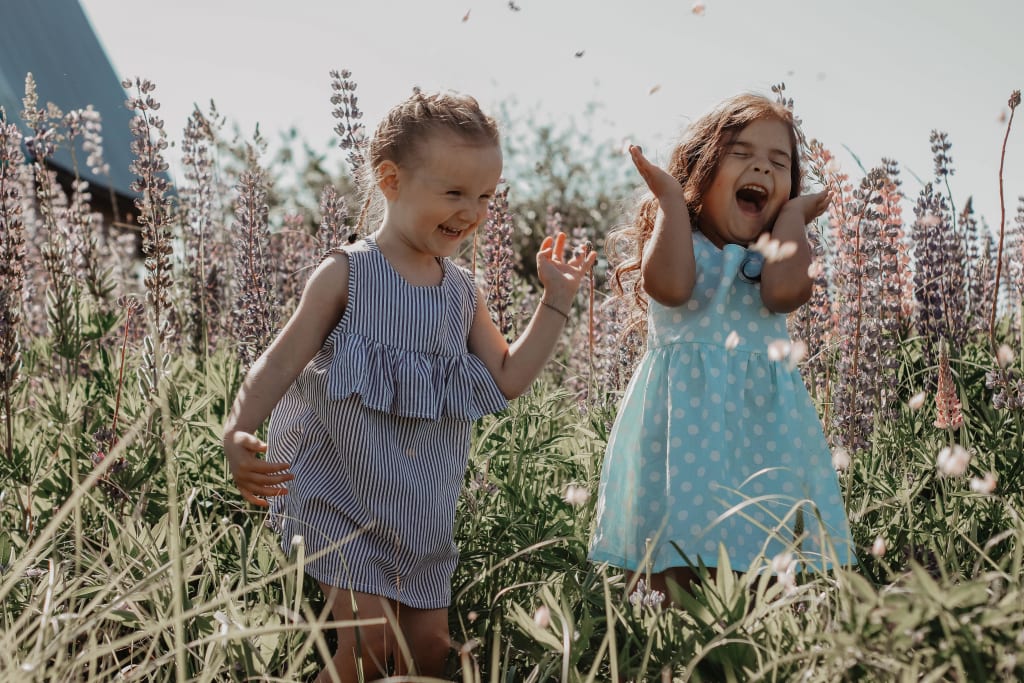
There are certain moments in life that never fade. They don’t need photographs or videos to stay alive—they live quietly inside the heart, untouched by time. My childhood is made up of those kinds of moments. Even today, when I’m caught in traffic or scrolling endlessly on my phone, some old smell, sound, or fragment of memory brings me back—to a simpler time, to a dusty neighborhood field, and a boy who had no idea he was living the best days of his life.
The field that was Everything
Every day after school, I would throw my bag in the corner, gulp down a glass of water, and run straight to the field near our house. It wasn’t a real playground—just an open piece of land with patches of grass and more patches of dirt. But to us, it was a stadium, a battleground, a dreamland.
We were a gang of five: Bullet, Munna, Labu, Julhas bhai, and me. We called ourselves the “Sunday Kings,” even though we played every single day. Bullet was the fastest among us—hence the name. Munna had the strongest kick. Labu was the joker. Julhas bhai was the eldest, almost like a big brother, and I… I was the smallest, often the goalkeeper, sometimes the substitute, but always the one who laughed the loudest.
Our football was half-inflated, patched up with tape, and had no brand name. But to us, it was more precious than anything else. We played barefoot, our knees constantly bruised, our shirts always muddy. We didn’t keep score most days, and when we did, we usually forgot it halfway through the game. Winning wasn't the goal—playing was.
I still remember one monsoon afternoon. The sky had turned dark, and rain began to fall—first slowly, then like someone had torn the clouds open. Everyone hesitated. “Let’s go home,” Munna said. “We’ll catch a cold,” added Labu.
But I stood there, ball in hand, soaking wet. I didn’t want to go. I wanted to play.
After a few minutes, Bullet came running back into the field. “You coming or not?” he shouted. One by one, they all came back. We kicked and slipped and fell and laughed till our stomachs hurt. That match meant nothing to the world—but to us, it was everything.
That night, my mother scolded me for playing in the rain. “Do you want to get sick?” She said, while rubbing my hair dry with a rough towel. My father said nothing, just handed me a warm glass of milk. That was their way of loving—through concern, through small gestures, through silence.
Friends, then and now.
The “Sunday Kings” slowly disappeared. School ended, college began. Munna moved to Dhaka for university. Labu started working in his uncle’s shop. Bullet went abroad. Julhas bhai… he died last year in a road accident. I hadn’t seen him in years. The news hit me like a punch in the gut.
Now we have Facebook groups and WhatsApp chats, but it’s not the same. Emojis have replaced real laughter, and voice notes have replaced long evening walks. We say “let’s catch up soon,” but never do.
Sometimes I wonder—where did all those evenings go? The ones where we sat by the tea stall, sharing a cup between us, talking about dreams that now feel too big, too far away. Those weren’t just friends; they were my world. And now, that world only exists in memory.

Childhood Rituals That Time Stole
Back then, happiness came wrapped in little things: a new pencil box, a surprise day off from school, the first bite of mango in summer. I remember waiting for winter, not just for the cold, but for the pitha my mother made—sweet rice cakes filled with jaggery and coconut. My siblings and I would fight over the last one, even though Mom always kept extra for the youngest—me.
There was no heater in our house. On cold nights, we would sit under a single blanket, our legs tangled, telling stories till one by one we fell asleep. The electricity would go out often, and we’d light candles, pretending we were living in a magical world. It never felt like a lack—it felt like an adventure.
Evenings weren’t for Netflix or scrolling through reels. They were for chasing dragonflies, collecting bottle caps, and reading comics under the table. We’d borrow books from the school library—not because we loved reading, but because the pictures looked fun. I remember the joy of finding a hidden coin under the bed, or getting a sticker for good handwriting. Everything was simpler. Everything meant more.
School: A Place of Innocent Chaos
Our school was a tin-roofed building with dusty floors and wooden benches. It smelled of chalk, ink, and sun-dried uniforms. The teachers were strict, the punishments real—but somehow, there was still love.
I used to be terrified of the math teacher. He had a stick he called “Laila,” and whenever someone failed to answer correctly, Laila danced. But I also remember how he once gave me a mango from his lunch when I forgot mine. Those contradictions shaped me—fear mixed with kindness, discipline wrapped in care.
And yes, like many, I had a first crush—on a girl who sat in the second row, always tying her hair with a red ribbon. I never spoke to her properly. But once, when she passed me a notebook during class, our fingers touched. My heart thudded so loudly; I was sure the teacher heard it.
Years later, I saw her on social media—married, smiling, holding a child. And yet, in my memory, she’s still the girl with the red ribbon, sitting in the second row.
Growing Up and Separation Time moved on, as it always does. The field got smaller, then disappeared—replaced by a shopping complex. The tea stall closed down. Uncle Rahim, who used to give us free tea, passed away. Our home underwent renovations. The walls got painted. But somehow, the warmth faded.
I now have a desk, a job, duties, and deadlines. I wear formal clothes, speak in meetings, and smile politely. But inside, there’s still that little boy who wants to run barefoot in the rain.
Sometimes, when I lie in bed at night, I close my eyes and I’m back there. The sun is setting. The field has a golden hue. I can hear the laughter of my friends, the sound of a football being kicked, the smell of fried snacks from the corner shop. In the distance, my mother's voice is heard: "Wash your hands! Dinner’s ready!”
And then I open my eyes—and the room is quiet.
Why Nostalgia Hurts—and Heals.
It's odd to feel nostalgic feelings. It’s both sweet and sad. It makes you smile, then makes you cry. It reminds you of who you were—and gently points to who you’ve become.
Some say we romanticize the past. Maybe. But I think we remember what was important. We remember the warmth, the care, the joy of moments we didn’t know we were living fully. That’s the magic of childhood. You never realize you're in it—until you're not.
Therefore, I find myself whispering when life becomes too loud, too fast, or too artificial: I wish I could go back.
Back to that field.
Back to the laughter.
Back to muddy feet and carefree hearts.
Back to when love was simple, joy was free, and time didn’t matter.
Final Thoughts
We all have our versions of this story. Different names, different places—but the feeling is the same. The ache, the warmth, the yearning.
Childhood may be over, but the child in us still lives. In addition, there are times when spending some time with him in the old field, passing the ball to him, and allowing him to play again is the best thing we can do. Because that’s where the real us still waits.
About the Creator
Khorshed Alom
Khorshed Alam is a passionate writer known for his captivating storytelling and intricate character development. Born and raised in Bangladesh.
Keep reading
More stories from Khorshed Alom and writers in Confessions and other communities.
The enigmatic bird
Rubel was an ordinary boy from a small village. He was playful, curious, and awestruck when he was in sixth grade. However, Rubel possessed a unique kind of curiosity, in contrast to the majority of children. He didn’t just ask questions—he needed to find answers. He loved stories, but not just to hear them—he wanted to live them.
By Khorshed Alom8 months ago in Writers
Thoughts on Vocal and the way the world is
"Death cannot stop true love, only delay it." – Wesley in The Princess Bride. I decided to come back to Vocal on a very cold and dark night at the end of December. I had been, and still am, convalescing from a horrible staph infection that had gone misdiagnosed for months. This, paired with the increasing challenges of being healthy, making the best choices for my co-parented child, being a wife, and being a director at a new job, was a lot to manage.
By Jazzy 3 days ago in Confessions
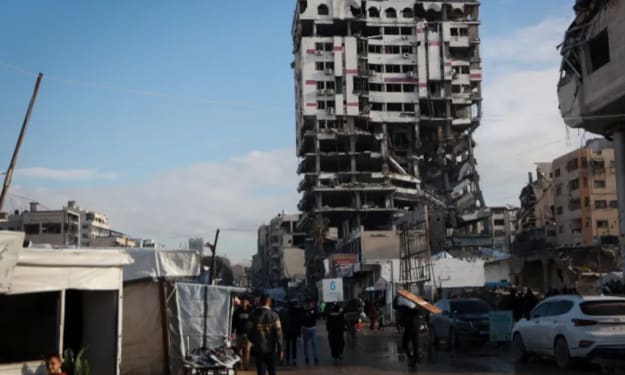
Palestinians in Gaza Confront Reality Behind Ceasefire’s Second Phase
pter, but daily life remains fraught with insecurity, humanitarian strain, and uncertainty about what the future holds. The second phase of the ceasefire — ushered in by announcements from U.S. negotiators — was supposed to mark a transition from active conflict to governance, demilitarization, and reconstruction. It was designed to initiate structural changes, including the formation of a new National Committee for the Administration of Gaza (NCAG) tasked with managing day‑to‑day affairs, and expectations of disarmament efforts and broader Israeli troop withdrawal from the Strip.
By Salaar Jamaliabout 23 hours ago in Confessions


Comments (1)
This brought back so many memories of my own childhood days spent playing with friends. Those simple times on an unassuming field were the best. You described your gang so vividly. Made me wonder, did you ever have a moment when you realized how special those days were while you were still in the thick of it? And what was the most memorable play or moment you had with that football?