
Gaza has become a 'mass grave' for Palestinians: MSF
A Call for Global Attention: The Humanitarian Catastrophe in Gaza

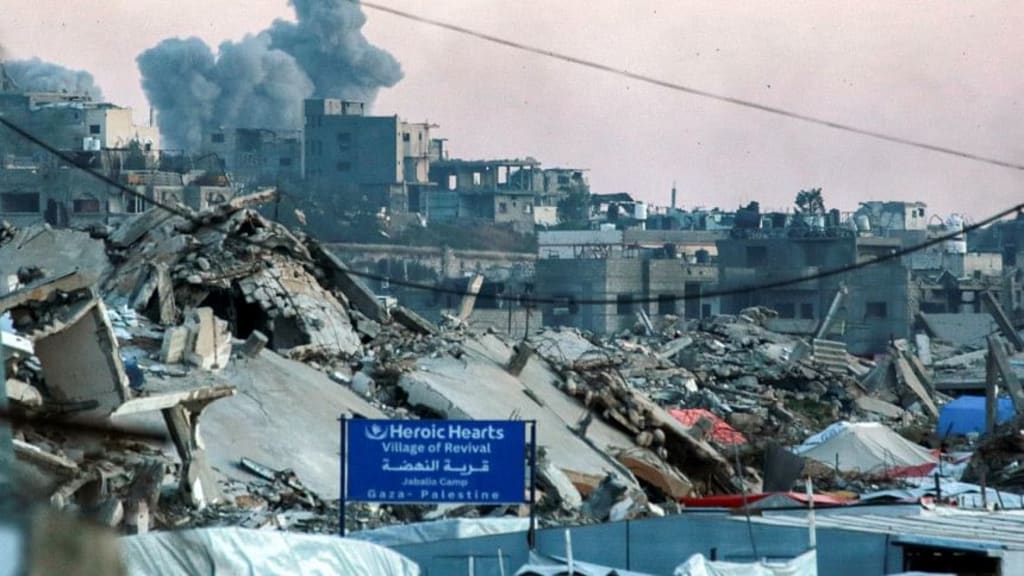
The statement by Médecins Sans Frontières (MSF) that "Gaza has become a 'mass grave' for Palestinians" starkly encapsulates the dire humanitarian crisis unfolding in the region. This assertion reflects Gaza's devastating effects from ongoing conflict, military operations, and the ensuing humanitarian disaster. As the situation continues to deteriorate, it is essential to understand the multifaceted dimensions of this crisis, including the historical context, the humanitarian implications, and the international response.
Gaza, a densely populated enclave, has been the focal point of the Israeli-Palestinian conflict for decades. The region has witnessed repeated cycles of violence, particularly during military escalations, which have led to significant loss of life and widespread destruction. The term "mass grave" is more than just a metaphor; it also refers to the harrowing fact that many families have lost multiple members as a result of the ongoing violence. The toll on human life is staggering, with thousands of Palestinians killed or injured, and countless others left traumatized by the violence.
This crisis has significant human rights repercussions. Access to essential services such as healthcare, clean water, and food has been severely compromised. Medical personnel and supplies are in short supply in hospitals, already under pressure from the influx of patients. Due to the overwhelming number of patients and the destruction of medical facilities, MSF and other humanitarian organizations have reported that they are unable to provide sufficient medical attention. The blockade imposed on Gaza has further exacerbated these challenges, limiting the flow of aid and resources necessary for survival.
The population's psychological effects, in addition to the immediate dangers to their physical health, cannot be ignored. The constant threat of violence, the loss of loved ones, and the destruction of homes have all contributed to the prevalence of mental health issues among Gazans. Children, in particular, are vulnerable, facing trauma that can have lasting effects on their development and well-being. Mental health services, which are frequently overlooked amid conflict chaos, need immediate attention. The international response to the crisis in Gaza has been mixed. While humanitarian organizations like MSF work tirelessly to provide aid and support, political solutions remain elusive. The inability of the international community to effectively address the conflict's underlying causes and hold parties accountable for violations of international law has frequently been criticized. Calls for ceasefires and peace negotiations have been made, but these efforts frequently falter in the face of ongoing hostilities.
Moreover, the portrayal of Gaza as a "mass grave" raises critical questions about accountability and justice. The international community must grapple with the implications of such statements, as they highlight the urgent need for a comprehensive approach to addressing the humanitarian crisis. This includes not only immediate relief efforts but also long-term strategies aimed at achieving a sustainable peace that respects the rights and dignity of all individuals involved.
In conclusion, the assertion by MSF that Gaza has become a "mass grave" for Palestinians serves as a powerful reminder of the urgent humanitarian crisis facing the region. The loss of life, the destruction of infrastructure, and the psychological toll on the population underscore the need for immediate action and a renewed commitment to finding a lasting resolution to the Israeli-Palestinian conflict. We must fight for the rights of those affected and work toward a future in which such tragedies are no longer a possibility as the world watches. The situation in Gaza demands our attention, compassion, and action, as the lives of countless individuals hang in the balance.
The statement by Médecins Sans Frontières (MSF) that "Gaza has become a 'mass grave' for Palestinians" starkly encapsulates the dire humanitarian crisis unfolding in the region. This assertion reflects Gaza's devastating effects from ongoing conflict, military operations, and the ensuing humanitarian disaster. Understanding the multifaceted aspects of this crisis, including its historical context, humanitarian implications, and international response, is critical as the situation worsens. **Historical Context of the Conflict**
Gaza, a densely populated enclave, has been the focal point of the Israeli-Palestinian conflict for decades. The region has witnessed repeated cycles of violence, particularly during military escalations, which have led to significant loss of life and widespread destruction. The term "mass grave" is not merely a metaphor; it signifies the overwhelming number of casualties and the tragic reality that many families have lost multiple members in the ongoing violence. The toll on human life is staggering, with thousands of Palestinians killed or injured, and countless others left traumatized by the violence.
**Implications for Humanity** The humanitarian implications of this crisis are profound. Access to essential services such as healthcare, clean water, and food has been severely compromised. Hospitals, already strained by the influx of casualties, face shortages of medical supplies and personnel. MSF and other humanitarian organizations have reported that they are unable to provide adequate care due to the overwhelming number of patients and the destruction of medical facilities. The blockade imposed on Gaza has further exacerbated these challenges, limiting the flow of aid and resources necessary for survival.
In addition to the immediate physical dangers, the psychological impact on the population cannot be overlooked. The constant threat of violence, the loss of loved ones, and the destruction of homes have all contributed to the prevalence of mental health issues among Gazans. Children, in particular, face trauma that can have an impact on their growth and well-being for a long time. The situation calls for urgent attention to mental health services, which are often neglected in the chaos of conflict.
**International Response and Accountability**
The international response to the crisis in Gaza has been mixed. While humanitarian organizations like MSF work tirelessly to provide aid and support, political solutions remain elusive. The inability of the international community to effectively address the conflict's underlying causes and hold parties accountable for violations of international law has frequently been criticized. Calls for ceasefires and peace negotiations have been made, but these efforts frequently falter in the face of ongoing hostilities.
Moreover, the portrayal of Gaza as a "mass grave" raises critical questions about accountability and justice. The international community must grapple with the implications of such statements, as they highlight the urgent need for a comprehensive approach to addressing the humanitarian crisis. This includes not only immediate relief efforts but also long-term strategies aimed at achieving a sustainable peace that respects the rights and dignity of all individuals involved.
**Conclusion: A Call to Action**
In conclusion, the assertion by MSF that Gaza has become a "mass grave" for Palestinians serves as a powerful reminder of the urgent humanitarian crisis facing the region. The loss of life, the destruction of infrastructure, and the psychological toll on the population underscore the need for immediate action and a renewed commitment to finding a lasting resolution to the Israeli-Palestinian conflict. As the world watches, it is imperative that we advocate for the rights of those affected and work towards a future where such tragedies are no longer a reality. The situation in Gaza demands our attention, compassion, and action, as the lives of countless individuals hang in the balance.
About the Creator
MD.A.R Neaz
Welcome to my Channel . Friends and viewers where we explore the intersection of creativity, culture, and innovation! My channel is dedicated to sharing thought-provoking articles, inspiring stories, and insightful commentary .
Keep reading
More stories from MD.A.R Neaz and writers in Confessions and other communities.
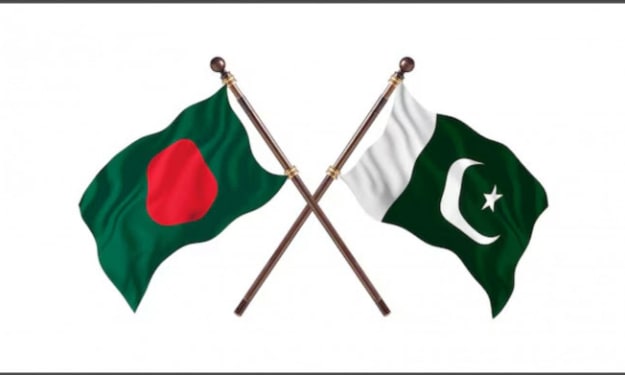
Govt prepares to reclaim $4.52b pre-independence assets from Pakistan
Bangladesh is preparing to formally raise its demand for $4.52 billion in financial claims from Pakistan, comprising its fair share of undivided Pakistan's pre-1971 assets, including aid money, provident funds, and savings instruments.The issue will be formally raised during the foreign secretary-level talks slated for 17 April in Dhaka, the first such meeting between the two countries in 15 years.
By MD.A.R Neaz9 months ago in History
I Missed the Meeting, But the Fire Cats Stayed
I’m sitting here watching a strange video—three orange cats, neon-bright, glowing like embers. The number 333 keeps flashing on the screen, and for some reason it feels intentional, like the universe is tapping me on the shoulder instead of shaking me awake. The sound from the TV hums softly, almost like a bonfire crackling on a beach. Fire cats. That’s what they are. I don’t know why that comforts me, but it does.
By Jhon smith4 days ago in Confessions



Comments
There are no comments for this story
Be the first to respond and start the conversation.