
The Craziest Live Show: Over a Million Viewers Watch Him Steal, and Everyone Calls Him a Hero
Part 2
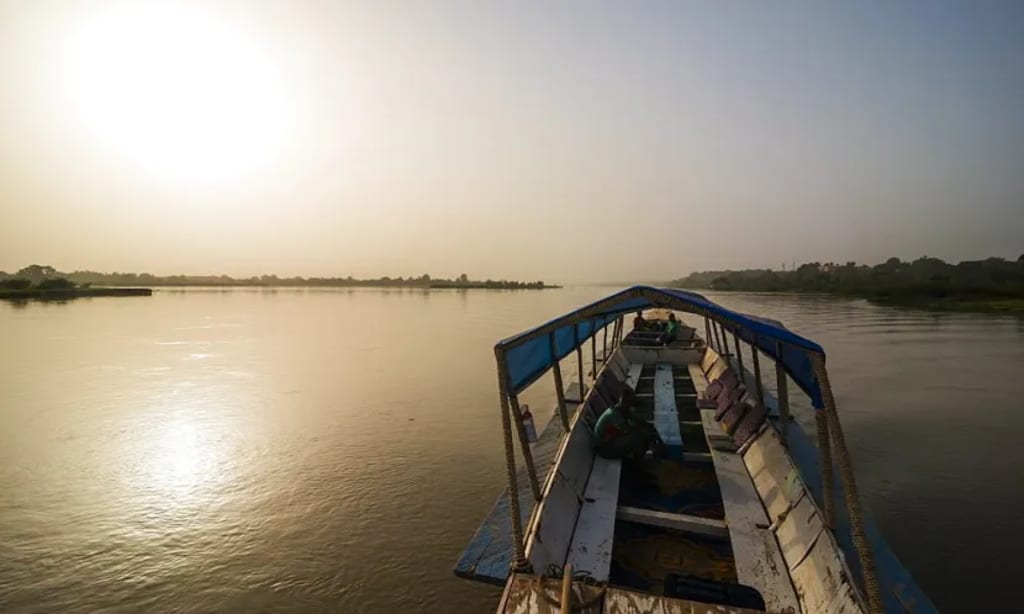
In the arid deserts of Mali, a fierce battle raged, consuming both lives and cultural heritage. By January 2013, after a year of escalating conflict, rebel forces had seized key cities at the southern edge of their territory, poised to overrun the nation.
Amid this turmoil, a clandestine operation was underway. Twenty aged wooden boats quietly departed from a desolate port, navigating the swift currents of a mighty river. Villagers along the banks emerged, carrying nearly 300 metal chests, each over half a meter tall and more than a meter long, carefully loading them onto the vessels. These chests safeguarded invaluable manuscripts dating back to the 15th and 16th centuries.
The mastermind behind this mission was Abdel Kader Haidara, a dedicated librarian committed to the preservation of ancient texts. As the conflict intensified, Haidara recognized the imminent threat to these cultural treasures. Determined to act before extremists could destroy the city's heritage, he orchestrated the covert evacuation of as many manuscripts as possible.
To minimize risks, Haidara limited each boat to carrying no more than 15 chests, reducing potential losses from capture or capsizing. Each vessel was manned by two transporters and two captains, ensuring continuous, round-the-clock navigation. This unique flotilla, composed of librarians and sailors, was driven by a shared mission: to protect their cultural legacy from the ravages of war.
As the boats pressed upstream, they faced relentless desert winds whipping the river into formidable waves, threatening to overturn them. Upon reaching a vast expanse of wetlands, the team encountered a new peril: bandits. Emerging from dense reeds, armed men halted the convoy, forcibly inspecting the chests. The crew offered their personal belongings—watches, jewelry—in a desperate plea to spare the manuscripts.
Unmoved, the bandits demanded the entire cargo. In a tense negotiation, Haidara promised a substantial ransom, understanding that failure was not an option; countless more manuscripts awaited rescue. After deliberation, the bandits released the convoy. True to his word, Haidara arranged for the ransom payment four days later.
Operating from the capital, Bamako, Haidara managed the operation with meticulous attention. Working up to 15 hours daily, he monitored progress through constant updates, tracking each participant's status on a large, detailed map. For over six months, Haidara and numerous volunteers braved conflict zones, navigating a perilous 1,000-kilometer route from Timbuktu to Bamako, smuggling their civilization's heritage to safety.
Initially, Haidara was unconcerned by the outbreak of hostilities, dismissing them as minor skirmishes typical of the past two decades, confined to the distant northeastern deserts. However, in March 2012, while assisting with a manuscript digitization project in a neighboring country, he learned of a military coup in Mali and the rapid advance of rebel forces toward his hometown, Timbuktu.
Despite warnings, Haidara felt an unwavering obligation to return. Navigating through streams of refugees fleeing south, he witnessed the widespread panic and devastation. Upon reaching Timbuktu on April 1, he found the city under rebel control, with looted shops and government buildings in ruins. The pervasive gunfire and chaos underscored the urgency of his mission: to safeguard the ancient manuscripts from impending destruction.
About the Creator
Search for a Sister, Chapter Two
4-H-N heard not a word about her secret mission around Headquarters over the following days, so had to conclude either Mini-Flash Phytolith hadn’t been listening in after all, or she’d misjudged him. She hoped it was the latter, as she wanted the pair of them to get on, even if he wasn’t going out of his way to make it easy for her.
By Doc Sherwood19 days ago in Chapters
Brass Ring Interlude 3: One Less Orphan
The 25th Annual Overton Orphans Ball had been going well. The LED thermometer tracking donations was almost full. The dance floor was full and the champagne flowed enough to maintain a healthy buzz. Of course there was enough wheeling and dealing for those who continued to work even when they should be playing.
By Jamais Jochimabout 3 hours ago in Chapters
So You Decided To Become a Nurse Practitioner:
So you decided to become an "Advanced Practice" nurse. Congratulations!... is what I would say if this was a good idea. Grad school? In this economy? What were you thinking? Likely it was something along the lines of either 1) “I've seen these other chucklefucks do it— Why can't I?” or even 2) “I've got a nice career, I should shake it up. I miss feeling like I have no clue what I'm doing.”
By Sandor Szabo3 days ago in Fiction



Comments
There are no comments for this story
Be the first to respond and start the conversation.