
Why 1984 is the masterpiece of George Orwell?
“Perhaps one did not want to be loved so much as to be understood.”
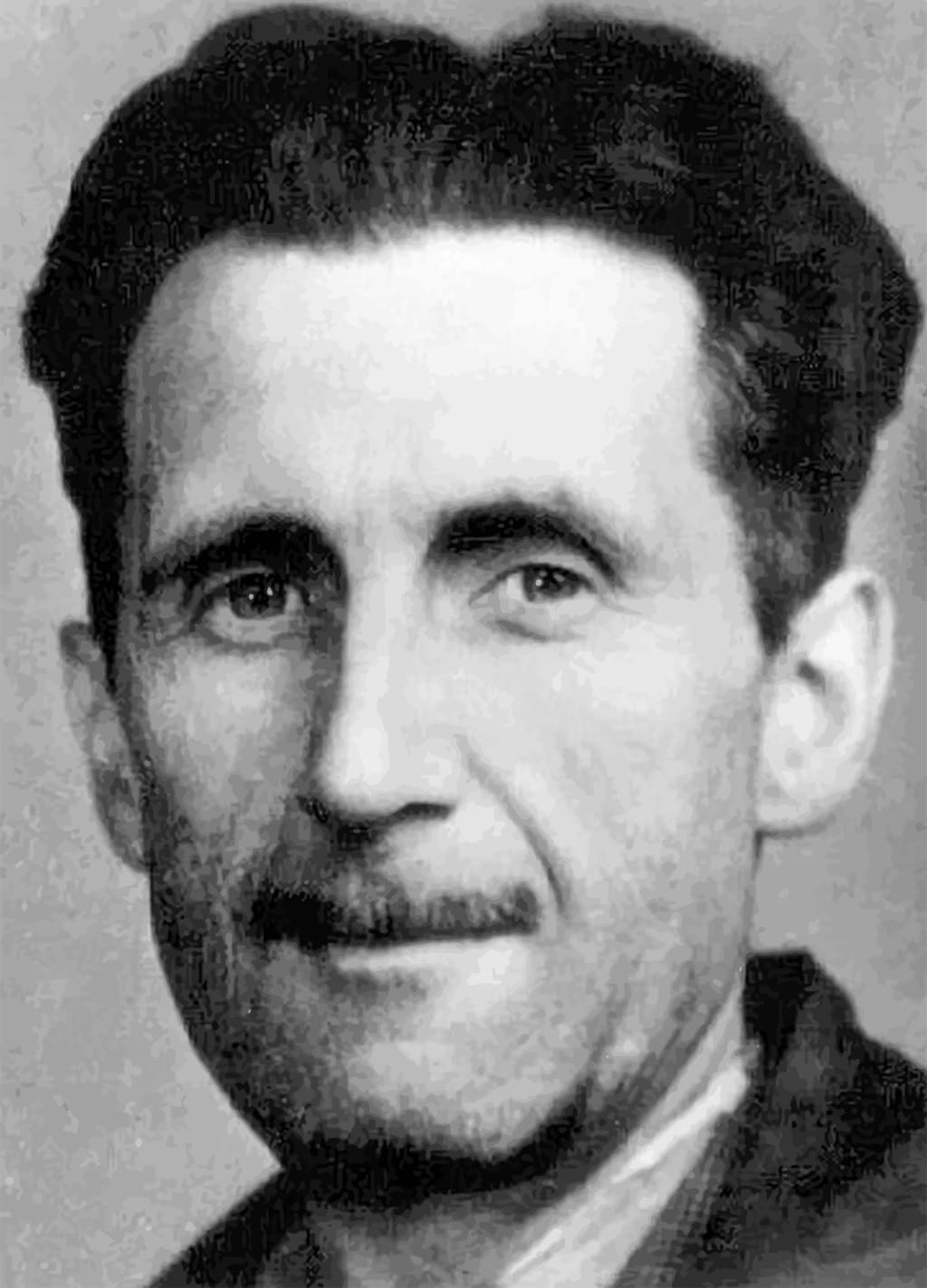
Why 1984 is a masterpiece of George Orwell
Introduction:
In the dystopian landscape of literature, few books have achieved the level of acclaim and cultural impact as George Orwell's "1984." This iconic masterpiece, published in 1949, has captured the imaginations of readers worldwide with its chilling portrayal of a totalitarian society ruled by a Big Brother figure.
Set in a future where individualism is suppressed and government control is absolute, "1984" explores themes of surveillance, propaganda, and the manipulation of truth. Orwell's prophetic vision and sharp social commentary continue to resonate today, highlighting the dangers of unchecked power and the importance of individual freedom.
With its thought-provoking narrative and unforgettable characters, "1984" has become a touchstone of political fiction. From the neologism "Big Brother" to the concept of "doublethink," Orwell's novel has permeated popular culture and influenced countless works.
Join us as we delve into the world of "1984" and uncover why this masterpiece remains as relevant and powerful today as it was when it was first published. Experience the fear, the paranoia, and the ultimate triumph of the human spirit in George Orwell's timeless classic.
Background and historical context of the novel
To fully appreciate the significance of "1984," it is essential to understand the historical context in which it was written. George Orwell, a keen observer of political and social trends, drew inspiration from the rise of totalitarian regimes such as Stalinist Russia and Nazi Germany. These oppressive regimes fueled Orwell's imagination and formed the basis for the nightmarish world of "1984."
In the aftermath of World War II, Orwell witnessed the erosion of civil liberties and the growing influence of surveillance and propaganda. He saw firsthand the potential for government manipulation and control. This backdrop of fear and uncertainty permeates every page of "1984" and adds a chilling realism to the novel's dystopian society.
Orwell's experiences as a journalist and his participation in the Spanish Civil War also informed his writing. His time in Spain, where he witnessed the brutal tactics of both fascist and communist forces, deepened his understanding of the dangers of totalitarianism. These experiences shaped the narrative and themes of "1984" and lend it an authenticity that resonates with readers.
Themes and motifs in "1984"
At its core, "1984" is a cautionary tale about the dangers of authoritarianism and the erosion of individual freedoms. Orwell explores themes of surveillance, thought control, and the manipulation of truth, painting a bleak picture of a society where every action is monitored and dissent is ruthlessly suppressed.
One of the central motifs in the novel is the concept of "doublethink" - the ability to hold two contradictory beliefs simultaneously and accept both as true. This distortion of reality is a powerful tool used by the ruling Party to maintain control over its citizens. Orwell's portrayal of doublethink serves as a chilling reminder of the dangers of unchecked propaganda and the ease with which individuals can be manipulated.
Another theme that permeates "1984" is the power of language and the manipulation of words. Newspeak, the official language of Oceania, is designed to limit free thought and eradicate dissent. Through the destruction of language, the Party seeks to control the very thoughts and perceptions of its citizens. Orwell's exploration of the relationship between language, power, and control is both thought-provoking and unsettling.
Analysis of the characters in the novel
"1984" introduces readers to a cast of memorable and complex characters who navigate the oppressive world of Oceania. The protagonist, Winston Smith, becomes the embodiment of rebellion and the fight for freedom. Through Winston's eyes, readers witness the horrors of the Party's control and his unwavering determination to resist.
Winston's love interest, Julia, represents a ray of hope and a symbol of individuality in a world that seeks to extinguish it. Her defiance and willingness to challenge the Party's authority inspire Winston to continue his fight, even in the face of almost certain doom.
The enigmatic figure of O'Brien, a member of the Inner Party, serves as a representation of the Party's power and manipulation. O'Brien's role in Winston's journey highlights the extent to which the ruling elite will go to maintain control and suppress dissent.
Orwell's skillful characterization brings these individuals to life, allowing readers to connect with their struggles and triumphs. Each character serves as a vehicle for Orwell's exploration of power, control, and the resilience of the human spirit.
Orwell's writing style and narrative techniques
Orwell's writing style in "1984" is characterized by its clarity, precision, and unflinching honesty. His prose is clean and direct, devoid of unnecessary embellishments. This simplicity of language enhances the impact of the novel's themes and allows the reader to fully absorb the weight of the dystopian world Orwell has created.
One of Orwell's narrative techniques is the use of vivid and evocative imagery. From the dilapidated streets of London to the sterile and oppressive atmosphere of the Party's headquarters, Orwell's descriptions paint a vivid picture of the world of "1984." These detailed visuals immerse the reader in the bleakness and despair of Oceania, heightening the emotional impact of the story.
Orwell also employs a nonlinear narrative structure, using flashbacks and memories to provide insight into Winston's past and the origins of the oppressive regime. This technique adds depth to the story and allows the reader to piece together the puzzle of Winston's rebellion.
The impact and relevance of "1984" in today's society
Despite being written over 70 years ago, "1984" remains alarmingly relevant in today's society. Orwell's exploration of government surveillance, the manipulation of truth, and the erosion of civil liberties strikes a chord in an age where technology has made surveillance easier than ever before.
The novel's portrayal of a society where facts are twisted and distorted to fit the ruling Party's narrative resonates in an era of "fake news" and misinformation. Orwell's warning about the dangers of unchecked power and the manipulation of language serves as a timely reminder of the importance of critical thinking and the need to question authority.
In an age where privacy is increasingly compromised and governments encroach on individual freedoms in the name of security, "1984" serves as a stark warning of the potential consequences of such actions. Orwell's prophetic vision continues to serve as a powerful rallying cry for those who value freedom and individuality.
Critical reception and controversies surrounding the novel
Upon its publication, "1984" received widespread acclaim for its powerful storytelling and incisive social commentary. Critics praised Orwell's ability to create a fully realized dystopian world and his unflinching exploration of totalitarianism. The novel's impact on popular culture and its lasting influence on the genre of dystopian fiction were also widely acknowledged.
However, "1984" was not without its controversies. Orwell's critique of Soviet communism and his portrayal of a society ruled by an all-powerful Party drew criticism from some who accused him of promoting anti-communist propaganda. Others questioned the novel's bleak and pessimistic outlook, arguing that it offered no hope or solutions.
Despite these controversies, "1984" has stood the test of time and continues to be recognized as one of the greatest works of literature. Its enduring relevance and ability to provoke thought and discussion are a testament to Orwell's skill as a writer and his keen understanding of the human condition.
Comparisons to other dystopian literature
"1984" is often compared to other works of dystopian literature due to its powerful themes and chilling portrayal of a totalitarian society. Aldous Huxley's "Brave New World" and Ray Bradbury's "Fahrenheit 451" are frequently mentioned alongside Orwell's novel.
While each of these works explores different aspects of dystopian societies, they all share a common concern with the dangers of government control and the suppression of individual freedom. The themes of surveillance, manipulation, and the erosion of truth are prevalent in all three novels, highlighting the shared anxieties of the authors and their warnings about the potential future of humanity.
Film adaptations and cultural references to "1984"
"1984" has been adapted for the screen several times, with the most notable adaptation being the 1984 film directed by Michael Radford. This film, starring John Hurt as Winston Smith, captures the oppressive atmosphere of Orwell's novel and brings its themes to life on the big screen.
In addition to film adaptations, "1984" has had a lasting impact on popular culture, with references and allusions to the novel appearing in various forms of media. From television shows to music and even advertising campaigns, Orwell's novel continues to be a source of inspiration and reference.
Conclusion:
Why "1984" remains a masterpiece of George Orwell
George Orwell's "1984" is a timeless masterpiece that continues to captivate readers with its chilling portrayal of a dystopian society ruled by an all-powerful Party. Its themes of surveillance, propaganda, and the manipulation of truth remain as relevant today as they were when the novel was first published.
Through his powerful storytelling, Orwell warns of the dangers of unchecked power and the erosion of individual freedoms. His vivid characters and evocative imagery bring the world of "1984" to life, immersing readers in a nightmarish future where hope and rebellion are constantly under threat.
"1984" has left an indelible mark on popular culture, with its concepts and terminology permeating society. Its enduring relevance and powerful social commentary have solidified its status as a literary masterpiece.
As we navigate an increasingly complex and interconnected world, the lessons of "1984" serve as a reminder of the importance of vigilance, critical thinking, and the defense of individual freedoms. Orwell's timeless classic continues to inspire and provoke, reminding us of the ultimate triumph of the human spirit in the face of oppression.
About the Creator
Keep reading
More stories from writers in BookClub and other communities.
Rachel Reviews: The Spiral Archive by Pieter Hendrik
It's difficult for me to know where to start with a review of this book as it was, for me, an entirely unique experience and one that I'll probably never have again. I don't want that to be interpreted as unenjoyable but it has left me scratching my head a little and ruminating on its content, its themes and its characters.
By Rachel Deemingabout 7 hours ago in BookClub
A Dart at Dusk
Seconds ago, the sullen sun set on the two of us… my exuberant furry companion and me. A fresh breeze embraces us, delivering welcome relief from the day’s oppressive heat. His typical stumbling and staggering along — apace with a sloth — has turned into trip-trapping, high-stepping, almost skipping along.
By Angie the Archivist 📚🪶4 days ago in Petlife


Comments (1)
The timeless relevance of its warnings about unchecked authority, the manipulation of information, and the erosion of personal freedom cements "1984" as a literary masterpiece that continues to provoke critical thought and societal introspection