
What Makes a Plot Unforgettable?
Exploring the Essential Ingredients that Transform Ordinary Narratives into Lasting Literary Experiences


In the realm of storytelling, novels often share similar structures—exposition, rising action, climax, falling action, and resolution. While following this traditional narrative arc can provide a solid foundation, the true magic lies in the elements that differentiate a plot and make it unforgettable. A plot that stands out captivates readers, resonates emotionally, and lingers in their minds long after the last page is turned. Below, we delve into the core elements that contribute to making a novel's plot truly remarkable, even when following a conventional structure.
1. Compelling Characters
At the heart of every memorable plot are the characters. A well-crafted protagonist with relatable desires, fears, and flaws invites readers to invest emotionally in the story. Adding depth through unique backstories, motivations, and complex inner conflicts not only enriches the plot but also fosters a connection with readers.
For instance, in J.K. Rowling's "Harry Potter" series, Harry's journey is relatable through his struggles with identity, belonging, and friendship. These elements draw readers in, making them care about his fate and the unfolding plot.
2. Original Conflict
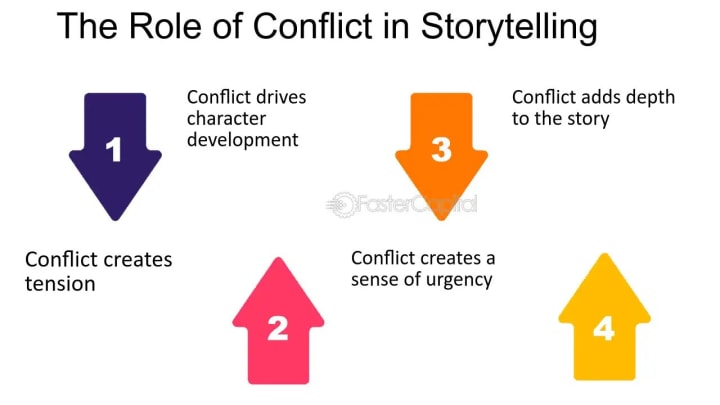
While many novels might share similar themes, the conflicts that characters face can be entirely unique. A strong conflict keeps readers engaged and could range from internal struggles (like fear or guilt) to external ones (such as societal issues or personal vendettas).
Taking George Orwell's "1984" as an example, the conflict extends beyond the protagonist's personal struggles; it encapsulates a broader commentary on totalitarianism, making the plot both compelling and thought-provoking. The distinctiveness of the conflict can make a familiar story feel fresh and relevant.
3. Innovative Settings
The setting can significantly impact how a plot is perceived. Choosing a unique backdrop often enhances the narrative and distinguishes it from others. An exotic location, a dystopian future, or a fantastical realm can evoke vivid imagery and create an immersive experience for the reader.
For example, in "The Night Circus" by Erin Morgenstern, the setting is almost a character in itself, with its magical, mysterious circus that only operates at night. This unique backdrop enriches the plot, making it more memorable and enticing.
4. Intricate Themes
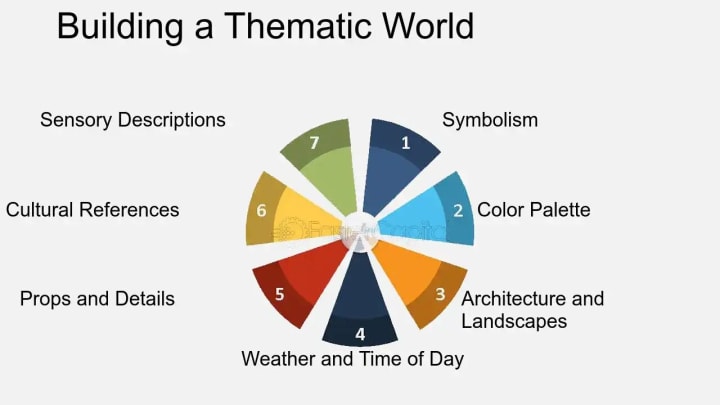
Themes add layers to a plot, inviting readers to think deeply about the narrative. While common themes of love, loss, and redemption may recur, the way they are explored can vary dramatically. When a novel tackles complex themes with nuance, along with a fresh perspective, it leaves a lasting impact.
Take “The Great Gatsby” by F. Scott Fitzgerald, exploring themes of hope, obsession, and the American Dream. This mixture transforms a traditional love story into a critical commentary about society, making the plot resonate on multiple levels.
5. Unexpected Twists and Turns
In a world where readers are constantly exposed to plots that follow certain predictable pathways, including unexpected twists or unconventional turns can captivate and surprise them. A well-timed twist in the storyline can shift the reader's perspective and deepen the plot's complexity.
In "Gone Girl" by Gillian Flynn, the narrative's unexpected twists challenge the reader's understanding of trust and deception, keeping them hooked and prompting them to evaluate their assumptions about the characters and their motivations.
6. Authentic Dialogue
Dialogues in a novel can do much more than just convey information; they reveal character depth, enhance tension, and serve to illustrate the plot's conflicts. Authentic, poignant, or even humorous dialogue can make characters memorable and enhance the reader's experience.
In "Pride and Prejudice" by Jane Austen, the witty banter and sharp dialogue not only entertain but also reflect the societal tensions of the time, enriching the plot with layers of meaning and engaging the reader on a cerebral level.

7. Emotional Resonance
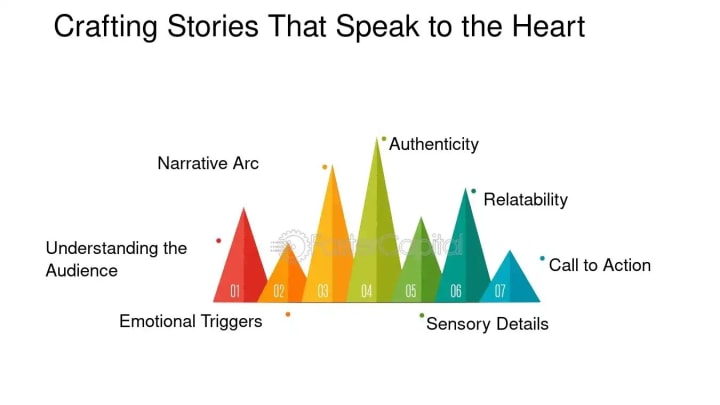
Ultimately, what makes a plot unforgettable is its ability to evoke strong emotions. A skilled author knows how to manipulate the emotional landscape of a story, inviting readers to experience joy, sorrow, love, or anger alongside the characters. This emotional journey creates a connection that can turn a good story into a memorable one.
For example, "The Fault in Our Stars" by John Green eloquently tackles themes of love and mortality, leaving readers with a poignant emotional impact that stays with them long after reading.
Conclusion
While traditional storytelling structures can provide a frame for a novel's plot, the elements that make it stand out truly lie in the creativity and uniqueness embedded within. Compelling characters, original conflicts, innovative settings, intricate themes, unexpected twists, authentic dialogue, and emotional resonance all work together to elevate a story from the ordinary to the unforgettable. As readers, we crave these distinct elements that ignite our imagination and linger in our hearts, reminding us of the profound power of storytelling.
About the Creator
Hannah miller
I’m an author dedicated to weaving engaging narratives across a variety of genres to resonate with readers.
Keep reading
More stories from Hannah miller and writers in BookClub and other communities.
How Can We Modernize Iconic Characters for Today’s Audience?
Introduction Reinventing fictional characters for modern audiences is a delicate yet rewarding endeavor. Characters that once resonated deeply with their original audiences may no longer connect in the same way today. As societal values, cultural contexts, and audience sensibilities evolve, the challenge lies in preserving the essence of these beloved figures while ensuring relevance in contemporary narratives. Here, we will explore the key elements of successfully reinventing a fictional character for modern audiences, providing insights for writers, filmmakers, and creators venturing into this creative terrain.
By Hannah millerabout a year ago in BookClub
My New Book is Finally Here
My poetry collection Beautiful and Brutal Things is done. It's actually done and finally published over 270 pages. Over a year of my life went into this book. More than a year, really. Long days at my computer, sometimes seven days a week because I couldn't stop even when I probably should have. Then two months of editing that felt harder than the writing itself. But it's finished, and I'm still standing, and the book is real.
By Tim Carmichael2 days ago in BookClub
The 2025 Bibliophile Advent Calendar Special
There’s a moment every December when the world finally exhales. For me, it usually happens right after I pull out my favorite winter mug and I take that first deep breath of the season. The lights glow a little softer. The books on my shelves seem to lean toward me, waiting. And I remember why winter reading feels like a ritual.
By Kristen Barenthaler4 days ago in BookClub




Comments
There are no comments for this story
Be the first to respond and start the conversation.