
How Can We Modernize Iconic Characters for Today’s Audience?
Navigating the Balance Between Tradition and Innovation in Character Evolution

Introduction
Reinventing fictional characters for modern audiences is a delicate yet rewarding endeavor. Characters that once resonated deeply with their original audiences may no longer connect in the same way today. As societal values, cultural contexts, and audience sensibilities evolve, the challenge lies in preserving the essence of these beloved figures while ensuring relevance in contemporary narratives. Here, we will explore the key elements of successfully reinventing a fictional character for modern audiences, providing insights for writers, filmmakers, and creators venturing into this creative terrain.
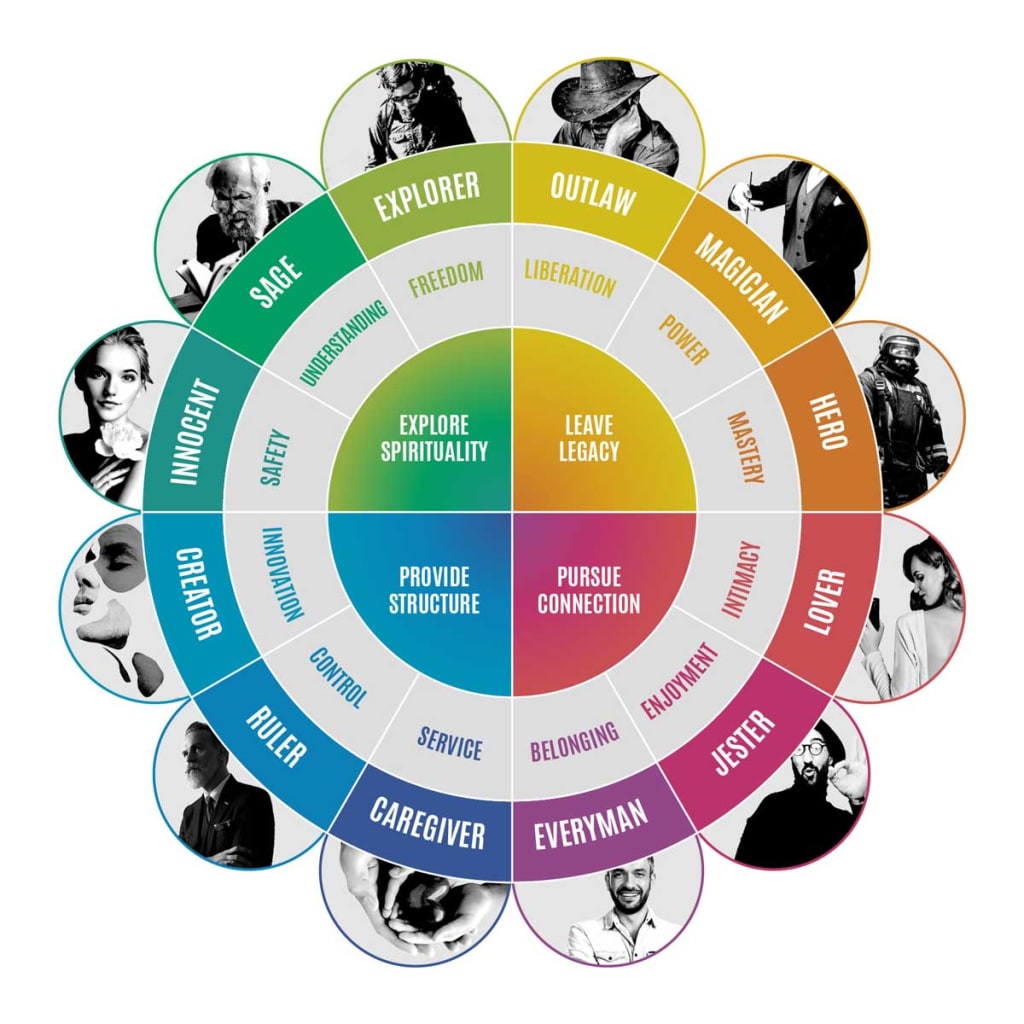
1. Understanding the Character’s Core Identity
The first step in a successful reinvention is a deep understanding of the character's core identity. What are the traits, motivations, and conflicts that shaped this character in their original context? Analyzing their backstory, relationships, and development arcs can provide valuable insights into what made them compelling.
For example, take the character of Sherlock Holmes. His intelligence, deductive reasoning, and aloofness are central to his identity. In modern retellings, such as BBC's "Sherlock," retaining these traits while situating him in contemporary settings and giving him relatable vulnerabilities has allowed the character to maintain his iconic status.
2. Responding to Modern Values and Sensibilities
Modern audiences are increasingly conscious of social justice, inclusivity, and representation. Reinventing a character often involves ensuring that they align with contemporary values. This may mean updating their backgrounds, relationships, or roles to resonate with current societal expectations.
For instance, the transformation of female characters over the years showcases this shift. In recent adaptations of classic tales, like Disney’s live-action remakes, characters like Mulan and Belle have been given more agency and depth. They embody empowerment and resilience, aligning more closely with today's empowerment narrative for women.
3. Embracing New Mediums and Formats
The way stories are consumed has dramatically changed with technological advancements. From graphic novels to streaming series, new storytelling mediums provide creators with innovative ways to present characters.
For example, comic book characters have flourished in the digital age, expanding their universes through video games, movies, and web series. The Marvel Cinematic Universe showcases how characters like Spider-Man have been reimagined multiple times, each iteration reflecting modern sensibilities and technology, engaging audiences across various platforms.
4. Collaborating with Diverse Voices
Involving diverse voices — writers, directors, and actors from varying backgrounds — is crucial for authentically re-envisioning characters. These collaborations can bring fresh perspectives that highlight cultural nuances, ensuring authenticity in representation.
The 2020 film "Hamilton," which reimagines historical figures through a diverse cast and modern musical styles, successfully draws contemporary parallels to current issues, emphasizing the relevance of these historical characters. This approach not only garners broader engagement but also offers multi-dimensional portrayals that resonate with a diverse audience.
5. Maintaining an Element of Nostalgia
While transformation is key, a successful reinvention must preserve elements of nostalgia. Audiences often have a pre-existing emotional attachment to characters, making it essential to balance innovation with familiarity.
For instance, the Star Wars franchise successfully reinvigorates its legacy characters, such as Luke Skywalker and Leia Organa, while introducing new characters like Rey and Finn. Blending classic themes (heroism, family) with fresh narratives creates a bridge for fans old and new, fostering a sense of continuity alongside change.
Conclusion
Reinventing fictional characters for modern audiences is an intricate dance that necessitates understanding the character's essence, responding to evolving societal values, embracing new formats, collaborating with diverse voices, and maintaining nostalgia. When done successfully, these reinventions can breathe new life into old favorites, making them relevant, relatable, and revered in today's cultural landscape. The art of modernization not only enriches our understanding of these characters but also reflects the multifaceted nature of human experience across time and context.
About the Creator
Hannah miller
I’m an author dedicated to weaving engaging narratives across a variety of genres to resonate with readers.
Keep reading
More stories from Hannah miller and writers in BookClub and other communities.
How Can You Harness Social Media Algorithms for Brand Growth?
In today's digital landscape, understanding how social media algorithms work is crucial for effectively promoting your brand. With billions of users engaged daily, social media platforms have developed complex algorithms that dictate which content is shown to whom, and when. Leveraging these algorithms can make a significant difference in your brand's visibility and engagement.
By Hannah millerabout a year ago in BookClub
7 Contemporary Romance Books Everyone Should Read In 2026
Love is timeless, but the stories we tell about it evolve with the world around us. Contemporary romance captures the pulse of modern relationships, blending passion, humor, and emotional depth with the realities of our everyday lives. Unlike classic romance, contemporary tales often tackle themes like career challenges, cultural differences, mental health, and personal growth—making them both relatable and inspiring. In a world where connection is increasingly digital, these books remind us of the beauty of vulnerability, the excitement of chemistry, and the transformative power of love.
By Diana Meresc6 days ago in BookClub
How to Succeed at the Benson Directory®
Congratulations and welcome to the Benson Directory® employee #22391! As our newest call handler, you will have the privilege of speaking with dozens of unique and interesting people on a daily basis as well as the opportunity to earn bonuses for high performance. Contained within this handbook you will find a set of ease to follow instructions designed to help you settle in to your new role and begin paving the way to success.
By S. A. Crawfordabout 22 hours ago in Fiction



Comments
There are no comments for this story
Be the first to respond and start the conversation.