
Tiny Changes, Big Results
Unlock the Power of Daily Improvements


In a world obsessed with dramatic transformations and overnight success, it’s easy to overlook the power of small, consistent changes. James Clear’s best-selling book Atomic Habits shines a light on how these seemingly insignificant adjustments can lead to remarkable results over time. The central idea is simple but profound: if you get just 1% better each day, the effects compound, and the long-term impact can be extraordinary.
The Power of Tiny Gains
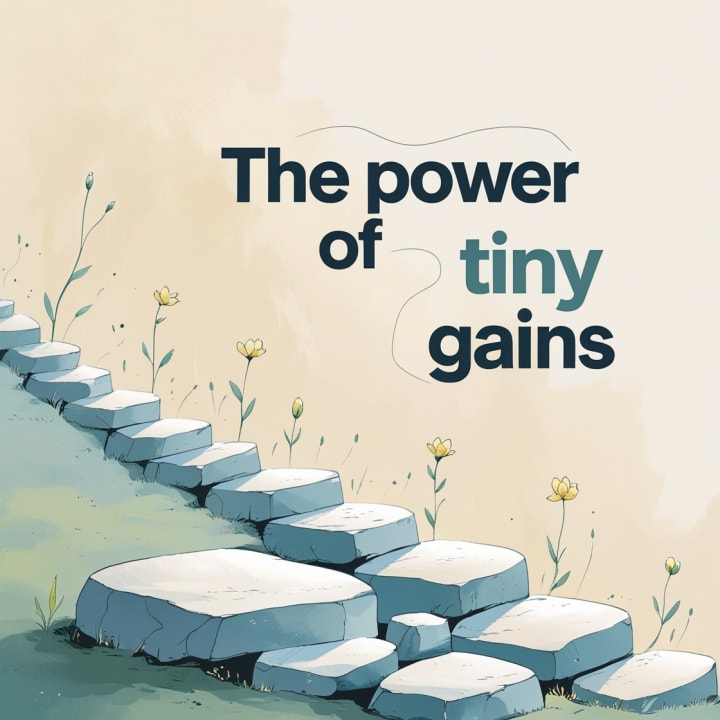
Imagine you improved at something by just 1% each day. At first, the difference would be almost unnoticeable. But over a year, that tiny improvement compounds to nearly 38 times better than where you started. This principle of compounding is what makes small habits so powerful. They don’t seem like much at the moment, but they build momentum and grow over time.
This contrasts with the way many people approach goals. We often aim for big, sweeping changes—crash diets, intense productivity hacks, or massive business overhauls. While these might yield quick results, they are rarely sustainable. The problem isn’t ambition; it’s the approach. Sudden, drastic change is hard to maintain. On the other hand, small, incremental changes are easier to stick with and integrate into your lifestyle.
Habits Are the Compound Interest of Self-Improvement
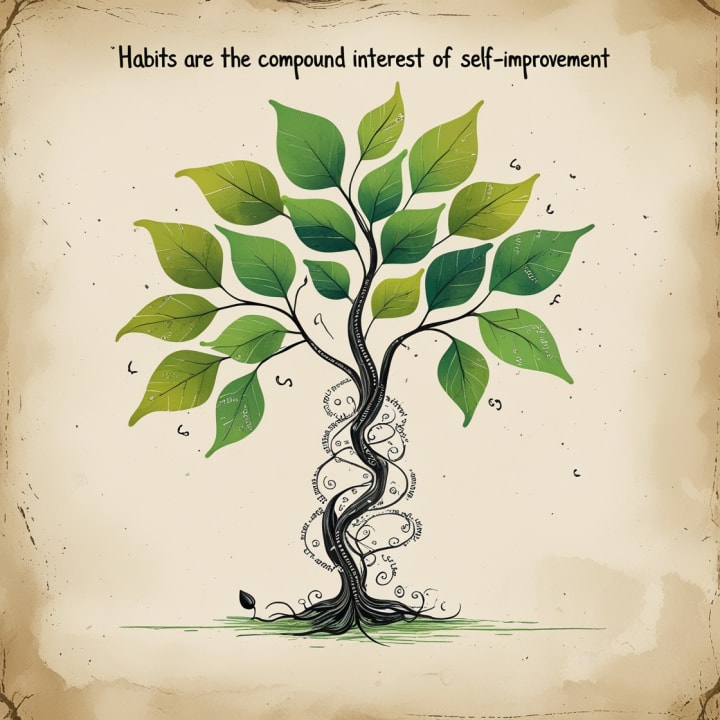
Clear describes habits as the “compound interest of self-improvement.” Just like money multiplies through compound interest, the effects of your habits multiply as you repeat them. A single decision to read a page of a book or go for a short walk may not transform your life immediately, but over weeks and months, these actions accumulate and define your trajectory.
This also works in reverse. Bad habits, even minor ones, can lead to negative compounding. Skipping the gym once isn’t a big deal, but when that becomes a regular pattern, it builds toward a sedentary lifestyle. Spending a little more than you earn occasionally won’t break the bank, but done consistently, it leads to debt. Habits, good or bad, are always shaping our future.
Focus on Systems, Not Goals

One of the most important ideas in Atomic Habits is the distinction between goals and systems. A goal is the result you want—like losing 20 pounds, writing a novel, or learning a new language. A system is the process that leads to that result—like going to the gym three times a week, writing 500 words a day, or practicing vocabulary for 10 minutes each night.
Clear argues that goals are good for setting direction, but systems are best for making progress. Focusing too much on the end result can be demotivating, especially if it takes a long time to achieve. Systems, on the other hand, are actionable and immediate. When you build a good system, results eventually follow. Success, then, is not a one-time event but the natural outcome of a consistently applied process.
Identity-Based Habits
Another transformative idea from Atomic Habits is the concept of identity-based habits. Instead of focusing on what you want to achieve, ask yourself who you want to become. The idea is that lasting change comes from building habits that reinforce the identity you aspire to embody.
For example, rather than saying, “I want to run a marathon,” try adopting the mindset, “I am a runner.” Every small action then becomes a vote for the kind of person you want to be. Going for a jog isn't just exercise; it’s reinforcing the identity of a runner. Reading one page isn’t just learning; it’s reinforcing the identity of a reader. This shift in thinking creates a deeper sense of purpose and makes habits more sustainable.
How to Build Better Habits
Clear outlines a practical framework for building better habits, summarized in the “Four Laws of Behavior Change”:
Make it obvious – Design your environment to make the cue for your habit clear. Want to read more? Leave a book on your pillow.
Make it attractive – Pair habits with something enjoyable. For instance, listen to a favorite podcast only while exercising.
Make it easy – Reduce friction. Start with habits that require little effort, like doing one push-up or writing one sentence.
Make it satisfying – Reward yourself, even if just with a mental pat on the back, to reinforce the habit.
These principles help bridge the gap between intention and action. When habits are easy, enjoyable, and rewarding, they’re far more likely to stick.
The Ripple Effect of Small Changes
Small habits do more than just build skills or routines—they change your perspective, your confidence, and eventually, your life. When you prove to yourself that you can be consistent, even in small ways, you start to trust yourself more. This builds self-efficacy, or the belief that you can influence your own outcomes. That belief becomes the foundation for even greater achievements.
Moreover, small habits often lead to other positive changes. A daily walk might lead to healthier eating. A morning writing routine might spark greater creativity throughout the day. This ripple effect creates a cycle of continuous improvement.
Conclusion
The magic of Atomic Habits lies in its ability to make personal growth feel manageable and meaningful. It reminds us that we don’t need to completely reinvent ourselves to make progress. Instead, real, lasting change comes from the accumulation of small decisions made consistently over time.

So the next time you feel stuck or overwhelmed by a big goal, zoom in. Focus on one small habit you can start today. It may not feel like much at first, but in the long run, it could make all the difference.
About the Creator
Keep reading
More stories from Muhammad Saeed and writers in BookClub and other communities.
Rachel Reviews: Lakefront Wolves by Joseph Deegan
Meet Finn. He's an 18 year old kid who has potential. He's bright with great school scores and he's also an athlete, a footballer of some prowess. He has it all going for him, it would seem, and yet, he's determined to send what could be a well-planned, stable existence firmly off the rails. He drinks, he smokes, he takes drugs, he has violent tendencies and he's in danger of losing not only his mind but all that he holds dear.
By Rachel Deeming9 days ago in BookClub
The BAFTA Awards
By now, in a stunning departure from recent years, most of the world is aware of what happened at the BAFTA film awards. Social Media Headlines will tell you the bare bones: that John Davidson, a Tourette's Syndrome advocate, shouted a racial slur at two Actors of Colour, Michael B Jordan and Delroy Lindo.
By Natasja Rose6 days ago in Psyche



Comments (2)
Wonderful
You make a great point about small, consistent changes. I've seen this in my own work. Making tiny adjustments to a project over time can lead to big improvements. It's like tuning an engine - small tweaks add up. I wonder how we can better identify which small habits will have the most impact. And how do we stay motivated to keep making those little changes day after day? It's not always easy, but the payoff seems worth it.