
The Infinite Abyss
A Creepy Documentary on the Vastness of Space

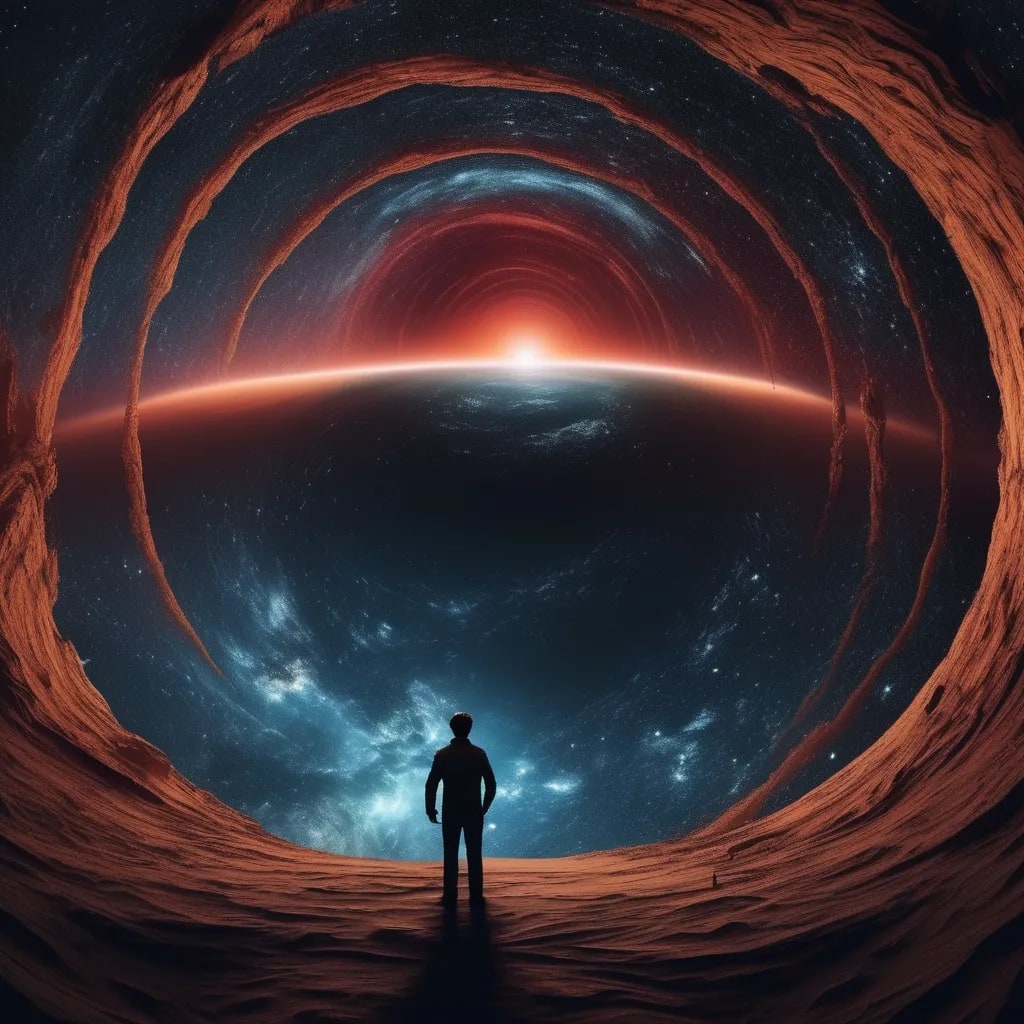
Welcome to the final frontier—the infinite, cold, and dark expanse of space. In the next few moments, we will explore the vastness of the cosmos, a realm so large that it defies human comprehension, filled with strange phenomena and terrifying mysteries. This is not just an exploration of distance and size, but of the unsettling truths that lie beyond the veil of the stars.
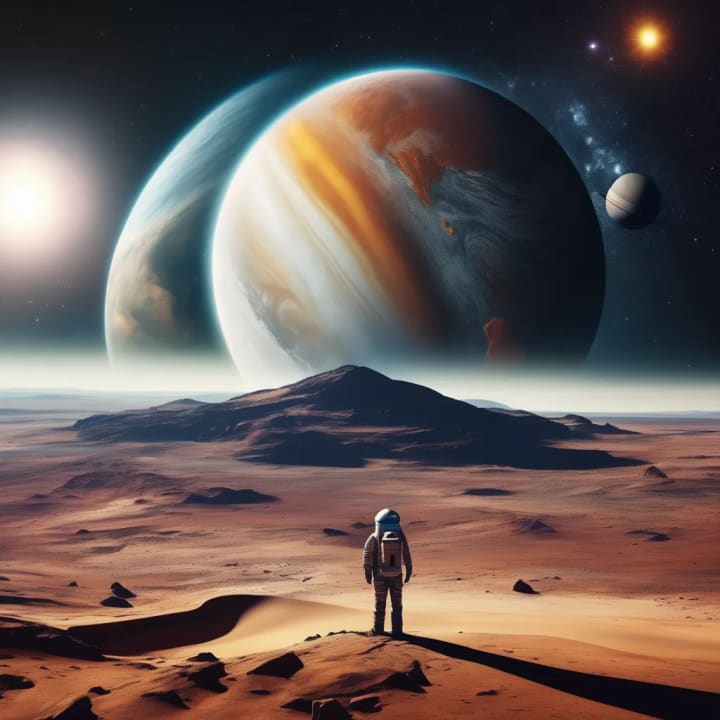
As we stand on Earth, a small speck in the solar system, the thought of space stretching endlessly above us is almost comforting. The twinkling stars, the soft glow of the moon—it all feels serene, even familiar. But as we venture beyond our planetary neighborhood, what awaits is far from comforting.
Space is vast. So vast that even our words struggle to encapsulate its true magnitude. To give you some perspective: light, the fastest thing in the universe, traveling at 299,792 kilometers per second, takes over eight minutes to reach Earth from the Sun. That’s just within our solar system. But to leave our galaxy, light would need 100,000 years. And beyond that, there are galaxies so distant that the light we see from them today started its journey billions of years ago—long before Earth even existed.
Now, imagine for a moment the sheer emptiness that lies between these galaxies. This is not just a physical emptiness but a haunting, cold void that feels eternal.
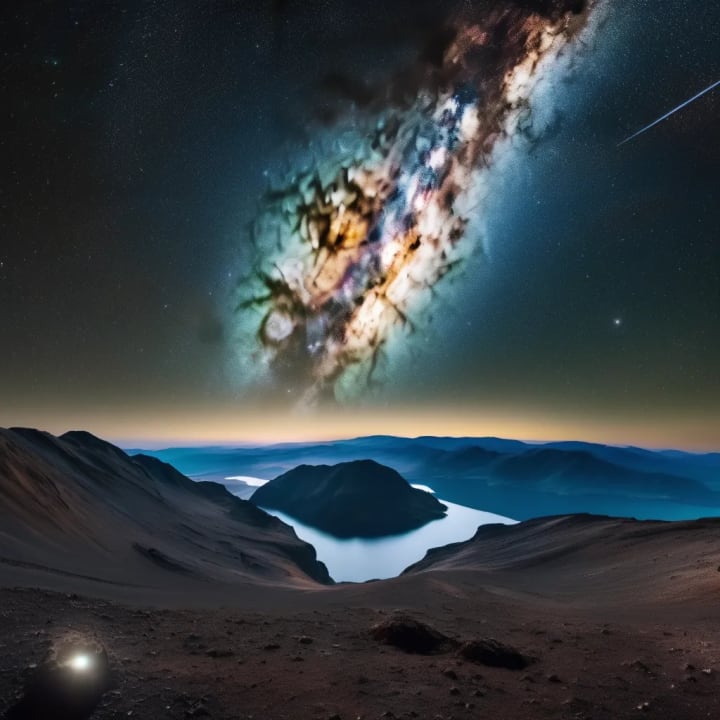
As we zoom out, what becomes apparent is the sheer scale of the universe. The Milky Way, our home galaxy, contains over 100 billion stars, many of which host their own planets. This number is already staggering, yet it’s just one galaxy among an estimated two trillion in the observable universe. Between these galaxies are unfathomable distances—millions of light-years of empty space, voids so vast that it’s hard to imagine anything ever occupying them.
In these dark stretches between galaxies, known as cosmic voids, there is nothing—no stars, no planets, no dust, just cold, empty darkness. These voids are the true essence of the universe: vast, silent, and indifferent.
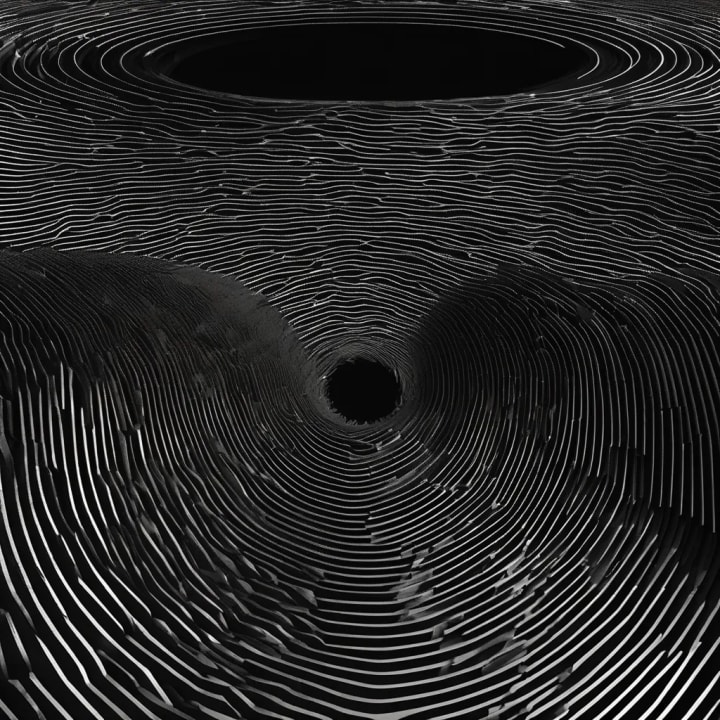
The cosmic voids are not only unsettling in their size but in what they represent. These regions span hundreds of millions of light years with little to no matter. If a traveler were to find themselves here, they would be utterly alone. There would be no stars to navigate by, no planets to land on, no sounds to hear. Just infinite silence and blackness. These voids give us a glimpse of the universe's isolation, a place where existence feels almost... meaningless.
But the loneliness doesn’t stop there.
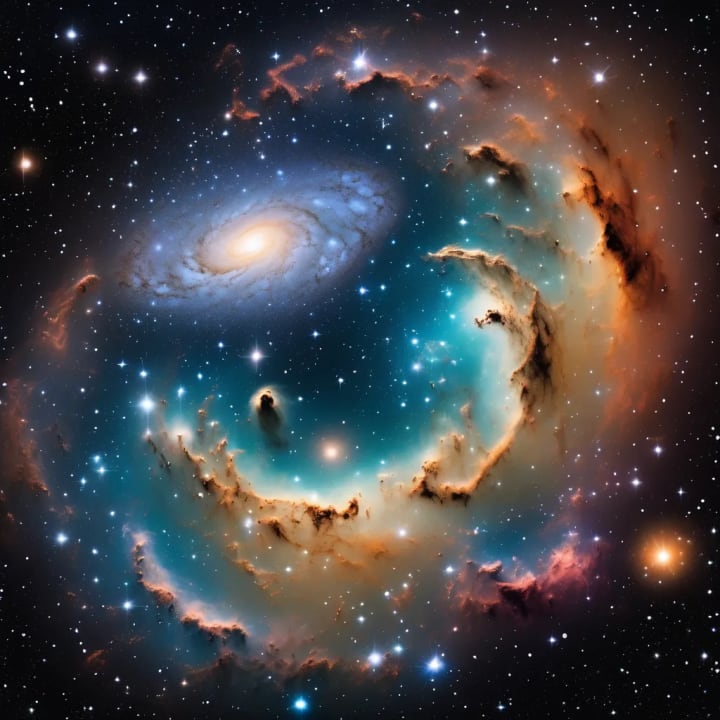
As we peer into the cosmos, it’s easy to forget that the galaxies we see are not static. They are drifting apart. The universe itself is expanding, and this expansion is accelerating. Every day, the space between galaxies grows larger, driven by a mysterious force known as dark energy. This invisible force, which makes up about 68% of the universe, is pushing everything farther away from each other.
At some point in the distant future, this expansion will separate galaxies so completely that the night sky will go dark. Billions of years from now, there will be no stars visible to any distant observers on planets far from here. They’ll see nothing but a black, empty sky—cut off from the rest of the universe. The cosmos, once full of light and life, will become an isolated wasteland of darkness.
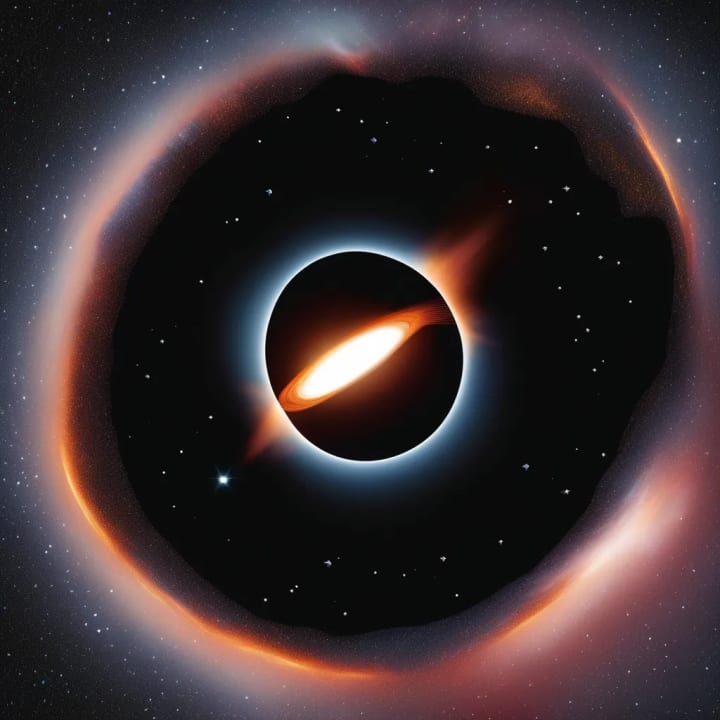
And then there are the black holes. Scattered throughout the universe, these cosmic monsters warp space and time with their immense gravitational pull. They are born from the collapse of massive stars, compressing matter to a point so dense that not even light can escape. Anything that ventures too close to a black hole’s event horizon is consumed, crushed into nothingness. Inside, space becomes so warped that time itself may cease to function in any way we understand.
What’s terrifying about black holes is their invisibility. They could be anywhere in space, lurking in the dark, waiting. Some black holes are so massive that they can swallow entire stars whole, and at the center of every large galaxy—including our own Milky Way—is a supermassive black hole billions of times the mass of our Sun.
As if that weren't unnerving enough, recent discoveries suggest that there may be rogue black holes drifting through space. Untethered to any galaxy, they silently travel through the universe, invisible and undetectable until it's too late.
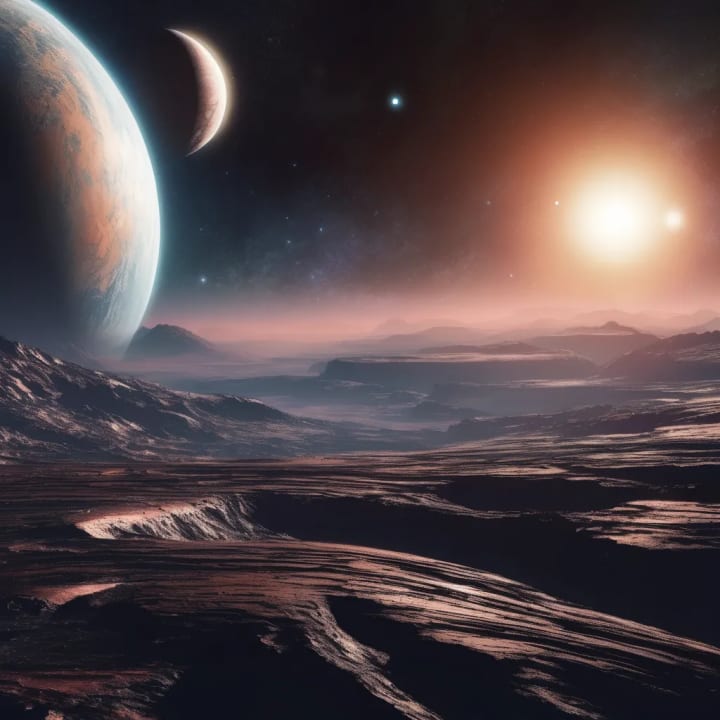
But it’s not just black holes that roam through the dark. There are also planets—silent, lonely, and cold. These are rogue planets, worlds that have been flung out of their solar systems, doomed to wander the galaxy without a star to orbit. These planets exist in eternal night, frozen and drifting aimlessly through the void.
Without the warmth of a sun, they are inhospitable, barren wastelands where temperatures plummet to near absolute zero. It’s chilling to imagine entire worlds wandering through space, abandoned, with no chance of life or rescue.
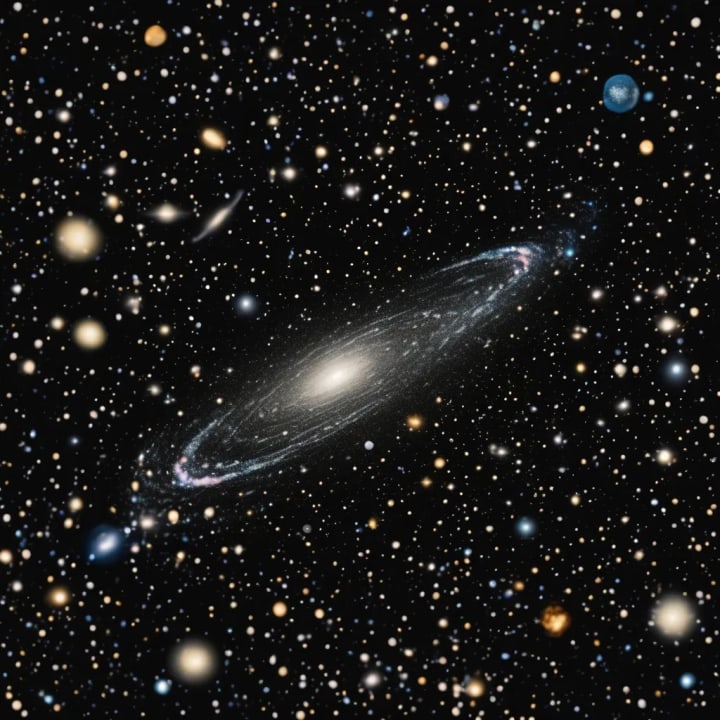
In the grand scope of the universe, humanity is almost laughably small. Our entire solar system is a mere speck within the Milky Way, and the Milky Way is a mere drop in the cosmic ocean. The universe is so incomprehensibly large that we may never know its true size, and yet, despite its vastness, space remains hostile—unforgiving to life, filled with dangers we can barely comprehend.
We like to think of space as the next frontier, but the truth is, space is indifferent to us. It has no care for life, no concern for the stars or planets that inhabit it. In the end, the universe will grow colder and darker, galaxies will drift apart, and black holes will eventually fade into nothingness. And when it does, all that will remain is an empty, silent void—an infinite, cold expanse of darkness stretching forever in every direction.
In this boundless emptiness, time loses its meaning, and all that remains is the haunting question: What, if anything, lies beyond the limits of the universe? And could it be even more terrifying than the vast darkness we already know?
As we look up into the night sky, twinkling with distant stars, remember—what you see is only a fleeting glimpse of a universe that is vast, cold, and slowly fading into blackness.
In the end, as the universe fades into endless darkness, we’re left to wonder—what unspeakable horrors await in the cold, silent void beyond the stars?
About the Creator
Cosmic Dread
A cosmic horror writer. I blend real science with chilling possibilities, exploring the terrifying forces of the universe—black holes, rogue planets, and cosmic horrors lurking in the cold void of space.
Keep reading
More stories from Cosmic Dread and writers in BookClub and other communities.
The Abyss Beyond
In the far reaches of the cosmos, beyond the most distant galaxies, there exists something far more terrifying than empty space—a void so deep, so dark, and so vast that it defies comprehension. This void is not merely the absence of stars or matter, but a region of pure emptiness, a realm where the very fabric of space and time appears to unravel. It’s a darkness so profound that even light seems reluctant to enter, and what lies within has long been a mystery, untouched by human exploration or understanding.
By Cosmic Dreadabout a year ago in BookClub
My New Book is Finally Here
My poetry collection Beautiful and Brutal Things is done. It's actually done and finally published over 270 pages. Over a year of my life went into this book. More than a year, really. Long days at my computer, sometimes seven days a week because I couldn't stop even when I probably should have. Then two months of editing that felt harder than the writing itself. But it's finished, and I'm still standing, and the book is real.
By Tim Carmichael3 days ago in BookClub
Verses & Villainy: Where Crime Meets Rhyme
Welcome to The Chapter Cafe, where stories steep like strong coffee and conversation flows like ink on a page. In today’s episode, “Verses & Villainy: Where Crime Meets Rhyme,” we’re diving into the shadowy alleys of crime fiction and the lyrical landscapes of poetry.
By Kristen Barenthaler5 days ago in BookClub




Comments
There are no comments for this story
Be the first to respond and start the conversation.