
Exploring the Best Books for Young Filipino Readers: Stories That Celebrate Culture, Family, and Imagination
A handpicked look at Filipino children’s books that spark wonder, reflect homegrown values, and make reading truly enjoyable for kids.
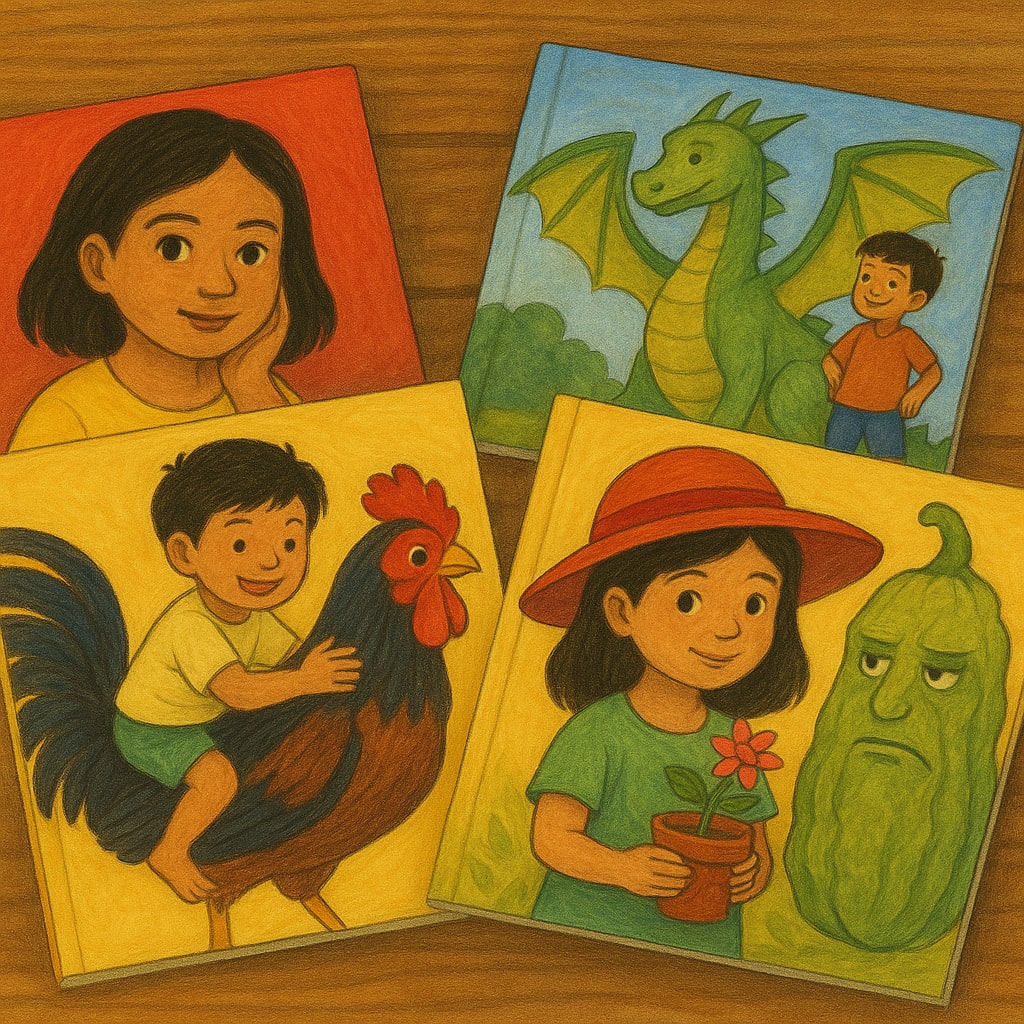
Filipino children’s books have a charm all their own—filled with heart, humor, and a strong sense of identity. They don’t just tell stories; they give young readers a mirror to see themselves and a window to understand others. For kids growing up in the Philippines (and even those abroad with Filipino roots), these stories can nurture pride, empathy, and curiosity, all while making reading a genuinely fun habit.
Let’s look at some of the best titles out there that do more than just entertain—they honor everyday experiences, Filipino values, and the wild joy of childhood.
Stories Rooted in Home and Family
A good number of beloved Filipino children’s books focus on the familiar—the warmth of home, the comfort of tradition, and the closeness of family. Titles like Ang Bata sa Drum by Genevieve Asenjo or Ang Alamat ng Ampalaya by Augie Rivera are perfect examples. They aren’t trying to be too perfect or polished. Instead, they’re real, often messy, and totally relatable for young readers.
Books like these often come with colorful illustrations that reflect the Filipino setting—jeepneys, barangays, fiestas, and all. But the visuals aren’t the only thing that makes them stand out. The way these stories handle themes like respect for elders, sibling relationships, and even grief or loss is subtle and sincere. It’s not preachy; it’s just honest storytelling from a Filipino lens.
Even newer releases like Isang Harding Papel by Augie Rivera tell stories that go deeper, yet remain kid-friendly. Set during the Martial Law years, it still manages to be hopeful and gentle, making it a good introduction to Philippine history for children.
Imagination and Magic in Filipino Children’s Books
Fantasy and folklore are alive and well in Filipino literature for kids. From stories about tikbalangs and manananggals to entirely new worlds dreamed up by modern authors, these tales spark curiosity and bravery. One standout is Naku, Nakuu, Nakuuu! by Nanoy Rafael, a humorous yet slightly eerie story that leans into Filipino superstitions and exaggerations with so much flair.
Another fun pick is Sandosenang Sapatos by Luis Gatmaitan. It's not exactly fantasy, but it feels magical in its own quiet way. A story about a girl and her disabled sister, it takes something as simple as shoes and turns it into a powerful symbol of love and understanding. Books like this stretch the imagination while staying grounded in values that kids can connect with.
It’s exciting to see how more Filipino writers and illustrators are playing with genre and style. They’re not just copying global trends—they’re putting a local twist on it, and that makes a huge difference. These stories are bursting with color, emotion, and creative freedom. That kind of variety can really help young readers find what they love, whether it’s humor, heart, or something in between.
Where to Start (and Keep Going)
Finding these books can be a bit of a treasure hunt, especially outside the Philippines. But many local publishers, such as Adarna House and Lampara Books, have made great efforts to make their titles available both in print and online. Schools, libraries, and even OFW communities have also started to include more Filipino titles in their reading lists.
If you're just getting started, pick a few titles that match the age and interests of your child—but don’t be afraid to go a little outside their usual picks. A book in Filipino or a bilingual one might seem challenging at first, but it often turns out to be a favorite because of how naturally the language blends with everyday life.
Filipino children’s books don’t just fill a shelf—they fill a space in a child’s identity. They’re warm, smart, and full of character, just like the kids who read them. Want to raise a kid who reads and also knows where they come from? This is where you begin.
About the Creator
Keep reading
More stories from Shella Mae Villanueva and writers in BookClub and other communities.
Philippine Mythology's Impact on Filipino Middle-Grade Minds
Legend and myth make up the fabric of stories, where layers of cultural heritage are sewn making it tangible to a lot of who hear it. Filipino mythology which is made up of various entities such as Engkantos, Aswangs as well as fantastical creatures helps kids to develop their creativity. Along with the exciting and thrilling stories they are reading, young Filipino minds are also exposed to the cultural elements of their ancestors through the works of notable authors such as Arnold Arre, Eliza Victoria, Paulo Chikiamco, Budjette Tan, and Yvette Tan.
By Shella Mae Villanueva2 years ago in BookClub
My New Book is Finally Here
My poetry collection Beautiful and Brutal Things is done. It's actually done and finally published over 270 pages. Over a year of my life went into this book. More than a year, really. Long days at my computer, sometimes seven days a week because I couldn't stop even when I probably should have. Then two months of editing that felt harder than the writing itself. But it's finished, and I'm still standing, and the book is real.
By Tim Carmichael2 days ago in BookClub
Hildegard von Bingen
Light, Intellect, and Authority in the Medieval World Hildegard von Bingen stands as one of the most extraordinary intellectual figures of the Middle Ages, a woman whose range of achievement resists narrow definition. Born in 1098 in the Rhineland region of what is now Germany, Hildegard entered a world shaped by monastic reform, theological debate, and emerging centers of learning. From this environment emerged a thinker whose influence reached far beyond the walls of any cloister. Across a long life, Hildegard produced visionary theology, original sacred music, works of natural history and medicine, and a vast body of correspondence that circulated among the most powerful religious and political leaders of the twelfth century. Recognition during life was not limited to local admiration but extended across the Holy Roman Empire and into the highest ranks of the medieval Church.
By Marcus Hedare3 days ago in BookClub




Comments (1)
Hello, just wanna let you know that according to Vocal's Community Guidelines, we have to choose the AI-Generated tag before publishing when we use AI 😊