
Digital Hijacking in the Age of Influence: How Technology Shapes Who You Think You Are
Digitally Hijacked: The Age of Influence

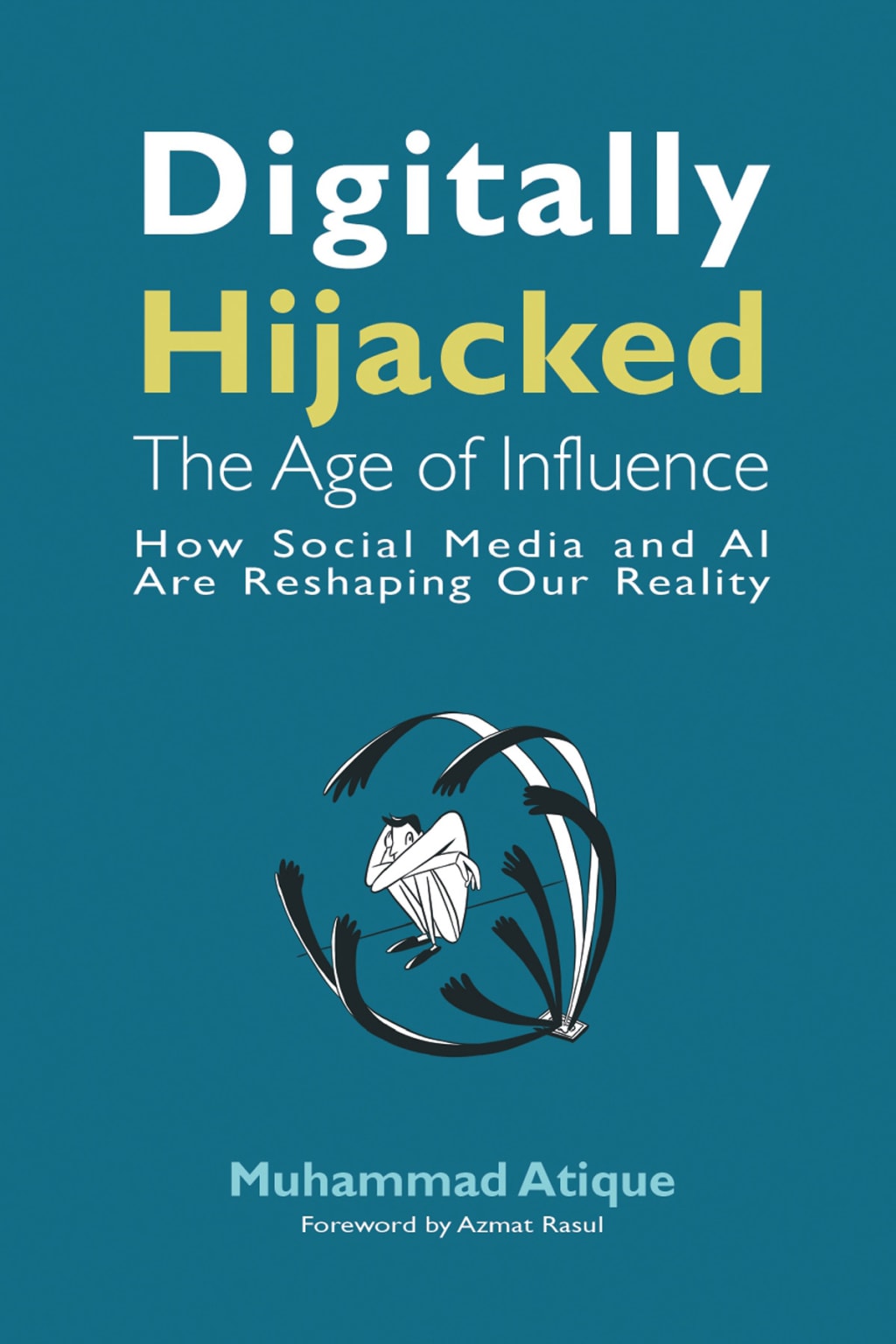
The digital world has fundamentally changed how we make decisions, form opinions, and live our daily lives. Dr. Muhammad Atique, author of "Digitally Hijacked: The Age of Influence," reveals the startling truth behind how social media and AI have infiltrated nearly every aspect of our decision-making process.
From the products we purchase to the political views we adopt, algorithms and targeted content silently guide us toward predetermined outcomes. The conversation with Papamutes unpacks how our devices actively listen to our conversations, with AI algorithms capturing keywords that later manifest as eerily specific advertisements in our feeds.
Dr. Atique makes a crucial distinction between positive influence that inspires us and manipulation that fundamentally alters our behavior against our authentic selves. He introduces the concept of "digital fasting" – not as a complete rejection of technology, but as a mindful approach to using digital tools at appropriate times while remaining fully present in real-life moments and relationships.
The discussion explores how algorithm bias affects political discourse, the shift from degree-based to skill-based professional qualifications, and our evolving relationship with privacy in the digital age. Despite his concerns about technological overreach, Dr. Atique remains optimistic about achieving balance, drawing parallels to how societies adapted after previous industrial revolutions.
Ready to reclaim your digital autonomy? This episode provides practical wisdom for navigating the complex relationship between technology and authentic human experience. Listen now to discover how to use technology as your servant rather than becoming enslaved to it.
In an era where digital platforms dominate nearly every aspect of our lives, the influence of social media and artificial intelligence (AI) on human behavior is undeniable. We live in a world where likes dictate self-worth, algorithms shape opinions, and AI-driven content determines what we see, believe, and even buy. But the question remains—are we in control, or have we been digitally hijacked?
The Subtle Power of AI and Social Media Manipulation
Every day, billions of users scroll through social media feeds, unaware of the invisible forces guiding their attention. AI algorithms meticulously curate content based on past interactions, ensuring that we stay engaged—often at the cost of our autonomy. Consider this: Have you ever searched for a product online or talked with friends about topics like a disease, immigration, or a brand, only to see ads for the same thing everywhere on your social media? This isn’t a coincidence—it’s AI at work, influencing our behavior, affecting our privacy, and helping brands target their advertising.
While targeted advertising may seem harmless, the same technology is used to manipulate opinions on more significant matters, including politics, social issues, and even personal beliefs. The infamous Cambridge Analytica scandal demonstrated how data-driven targeting can be used to influence voter behavior. The more we interact with certain types of content, the more we are fed similar material, creating an echo chamber that reinforces biases and limits exposure to diverse perspectives.
Digital Influence and the Rise of Misinformation
With social media as a primary source of news and showoff for many, AI-driven algorithms prioritize engagement over accuracy. Sensationalist headlines and emotionally charged content generate more clicks, making them more likely to be promoted. In 2018, a study by MIT found that false news spreads significantly faster than the truth on Twitter (X). The reason? AI recognizes viral potential without distinguishing between factual reporting and misinformation.
For example, during the COVID-19 pandemic, misinformation about vaccines and treatments flooded social media platforms, often spreading faster than verified scientific information. Many individuals, influenced by such misleading content, made health decisions based on conspiracy theories rather than credible medical advice. The consequences of AI-driven misinformation are far-reaching, affecting public opinion, societal trust, and even life-or-death decisions.
The Psychological Toll: FOMO, Anxiety, and Digital Addiction
The pervasive nature of social media is also reshaping our mental health. The phenomenon of Fear of Missing Out (FOMO) has intensified in the digital age, as curated social media feeds portray unrealistic standards of success, happiness, and beauty. A teenager scrolling through Instagram might see influencers vacationing in exotic locations, friends attending exclusive events, or peers achieving milestones—leading to feelings of inadequacy and anxiety.
Beyond FOMO, excessive social media use has been linked to depression, low attention span and low self-esteem, particularly among young people. A study published in JAMA Pediatrics revealed a direct correlation between social media usage and increased rates of anxiety and depression in adolescents. The more time spent online, the higher the likelihood of experiencing mental health issues.
Are We Still Thinking for Ourselves?
One of the most alarming consequences of AI-driven content curation is the diminishing ability for independent thought. With personalized feeds showing only what we are likely to engage with, we rarely encounter opposing viewpoints. This digital cocooning creates ideological silos where misinformation flourishes, critical thinking declines, and individuals become more susceptible to manipulation.
For instance, AI-powered recommendation systems on YouTube and TikTok can lead users down extreme ideological rabbit holes. A user watching a video on fitness may eventually be guided towards extreme diet culture or conspiracy theories, all driven by an algorithm designed to maximize watch time rather than promote balanced perspectives.
Breaking Free: Reclaiming Digital Autonomy
While the influence of AI and social media is vast, individuals can take steps to regain control over their digital lives. Here are a few strategies to counter digital hijacking:
1. Diversify Your Information Sources – Follow a variety of news outlets, including reputable fact-checking organizations, to ensure exposure to diverse viewpoints.
2. Digital Fasting – Set screen time restrictions and take intentional breaks from digital platforms to reduce dependency.
3. Back to Basics – Make more friends, socialize to build real human connections, and participate in physical activities—it will create more opportunities for you to grow in your specific field.
4. Question AI Recommendations – Be aware that content suggested by algorithms is designed for engagement, not necessarily truth or relevance.
5. Engage in Digital Literacy – Educate yourself on how AI and social media influence behavior to make informed decisions about online interactions.
6. Use Privacy Tools – Enable ad blockers, adjust social media settings, and use privacy-focused browsers to minimize algorithmic tracking.
Conclusion: Awareness is Power
The digital age has brought unprecedented convenience, connectivity, and opportunities. However, the growing influence of AI and social media also presents serious challenges. Awareness is the first step in regaining control—by understanding how these technologies shape our reality, we can make conscious choices rather than being passive consumers of digital influence.
As I explore in my book Digitally Hijacked: The Age of Influence, the intersection of AI, social media, and human psychology is more powerful than ever. The question is not whether we use these technologies, but whether we let them use us. It’s time to reclaim our autonomy in the digital landscape before we lose it entirely.
For more insights, visit explorewithdratique.com or purchase Digitally Hijacked: The Age on Influence.
About the Creator
Dr. Muhammad Atique
Dr. Muhammad Atique is a global expert in media, technology, and culture with over 15 years of combined experience in the media industry and academia. Holding a PhD in Public Administration and specializing in Digital Media and Governance.
Keep reading
More stories from Dr. Muhammad Atique and writers in BookClub and other communities.
10 Ways You Can Use Social Media to Make a Difference
The number of social media users has been growing consistently in the last few years. Per Statista, there were 4.89 billion registered social media users in the world in 2023. By 2027, this number is expected to reach 5.85 billion.
By Dr. Muhammad Atique10 months ago in Education
Rachel Reviews: The Spiral Archive by Pieter Hendrik
It's difficult for me to know where to start with a review of this book as it was, for me, an entirely unique experience and one that I'll probably never have again. I don't want that to be interpreted as unenjoyable but it has left me scratching my head a little and ruminating on its content, its themes and its characters.
By Rachel Deeming6 days ago in BookClub
The CEO of Everything
They say "jack of all trades, master of none," but they forgot to mention the part where the jack of all trades is also the camera woman, the makeup artist, and the person currently yelling at a tangled Wii microphone cable in a her own bathroom while recording herself singing and trying to make it look realistic and professional. (As professional as you can make it with nothing but a cell phone camera and a mic that doesn't work)
By Sara Wilson6 days ago in Humans


Comments
There are no comments for this story
Be the first to respond and start the conversation.