
Can Fiction Change Reality? The Power of Storytelling
Beyond Imagination: How Fiction Shapes Perceptions and Influences Actions

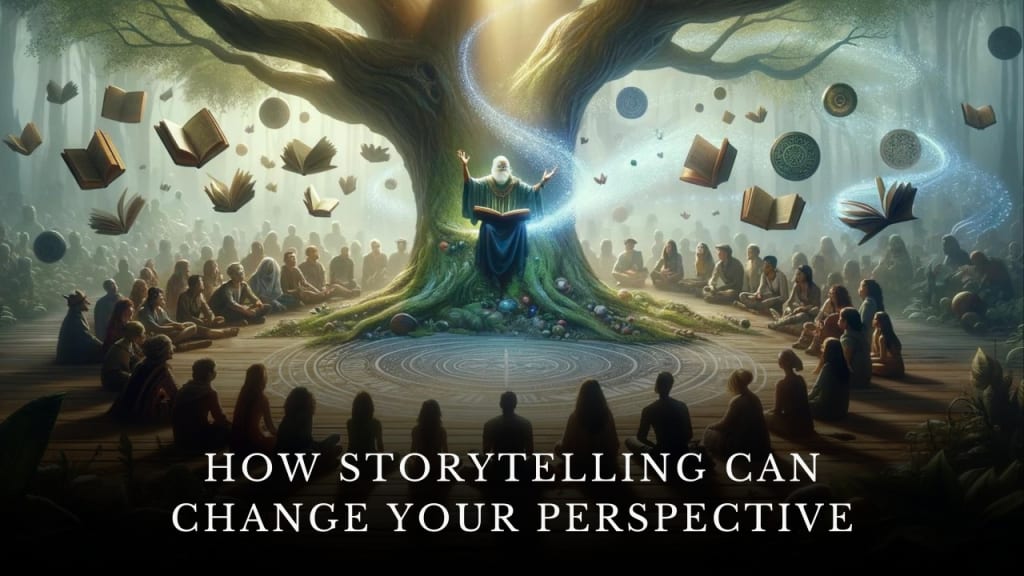
In the realm of human culture, few tools possess the transformative power of fiction. Storytelling, an art as ancient as language itself, has the unique ability to shape perceptions, influence decisions, and alter behaviors. But can fiction truly change reality? This article explores the profound impact of storytelling, examining its role in societal shifts, personal development, and the blurring of lines between the imaginary and the real.
The Psychological Impact of Fiction
Fiction operates on the human psyche by simulating experiences. When we read a novel or watch a film, our brains often don't distinguish these experiences from real-life events. Neuroscientists have found that engaging with fiction activates many of the same brain regions that light up when we are understanding the world around us. This phenomenon, known as "narrative transportation," suggests that stories can immerse us so deeply that they alter our emotional and cognitive landscapes.
For instance, when readers delve into the hardships and triumphs of a character like Harry Potter, they are not just entertained; they experience genuine emotions. This engagement can build empathy, a critical step toward societal empathy and understanding. A 2013 study published in the journal Science found that reading literary fiction improves a person’s ability to understand what others are thinking and feeling, which can translate into real-world empathy and better interpersonal relationships.
Fiction as a Social and Political Tool
Throughout history, fiction has not only reflected societal values but has also challenged them. Harriet Beecher Stowe’s "Uncle Tom’s Cabin," for example, is credited with advancing the abolitionist cause in the 19th century United States by personalizing the brutal realities of slavery. More recently, George Orwell’s dystopian novel "1984" has seen resurgences in popularity in response to modern concerns about government surveillance and the erosion of truth.
Fiction can serve as a safe space to explore and discuss controversial or taboo topics. In countries where direct criticism of the regime can be dangerous or even deadly, allegorical stories provide a means to critique and resist oppression. For example, Salman Rushdie’s "The Satanic Verses" sparked global debates about religious freedom and censorship, highlighting fiction's power to ignite international political discourse.
Shaping Identity and Reality
On a more personal level, fiction can profoundly influence individual identity and the perception of reality. Stories often provide scripts that people use to make sense of their experiences and to forge their identity. Young readers, for example, might look to characters for models of behavior or for language that helps them articulate their feelings.
Moreover, narratives can actually alter perceived reality. For instance, the phenomenon of the "CSI Effect" suggests that crime shows have shaped how juries expect evidence to be presented in trials, demonstrating how fictional portrayals can set standards that affect real-life judicial processes.
The Ethical Dimensions of Storytelling
With great power comes great responsibility. The impact of fiction on reality raises ethical questions about the responsibilities of storytellers. While fiction can promote understanding and empathy, it can also perpetuate stereotypes and misinformation if not handled with care. The portrayal of gender, race, and culture in fiction significantly influences societal attitudes. As such, writers and creators carry the burden of portraying characters and situations responsibly and truthfully, even within the bounds of imaginative worlds.
Conclusion
Fiction’s ability to change reality is both profound and far-reaching. Through the creation and consumption of stories, societies can foster a collective empathy, challenge norms, and even alter legal standards. As we continue to craft and circulate narratives, it is vital to remain conscious of the power they wield and the real-world consequences they entail. Whether through a book, a movie, or a video game, the stories we tell not only reflect our world—they shape it.
In this light, fiction is not just an escape; it is an engagement with the world’s complexities, a rehearsal for potential realities, and, most importantly, a powerful catalyst for change.
About the Creator
Hannah miller
I’m an author dedicated to weaving engaging narratives across a variety of genres to resonate with readers.
Keep reading
More stories from Hannah miller and writers in BookClub and other communities.
When Is the Right Time to Follow Up with Publishers?
Navigating the world of publishing can be a daunting task, especially when it comes to the intricacies of manuscript submission and communication with publishers. One of the most commonly asked questions among aspiring authors is about the appropriate waiting period before reaching out to a publisher after submitting a manuscript. This article aims to shine a light on best practices regarding follow-up timing, ensuring you strike the right balance between being proactive and overly eager.
By Hannah millerabout a year ago in BookClub
My New Book is Finally Here
My poetry collection Beautiful and Brutal Things is done. It's actually done and finally published over 270 pages. Over a year of my life went into this book. More than a year, really. Long days at my computer, sometimes seven days a week because I couldn't stop even when I probably should have. Then two months of editing that felt harder than the writing itself. But it's finished, and I'm still standing, and the book is real.
By Tim Carmichaela day ago in BookClub
7 Books About Psychology That Are Impossible To Put Down
Psychology is not just an academic discipline—it’s a mirror held up to our inner world. It explains why we think the way we do, why we fall in love, why we sabotage ourselves, and why some habits cling to us like gravity. The best psychology books don’t feel like textbooks; they feel like conversations that change how we see ourselves and others.
By Diana Meresca day ago in BookClub




Comments (1)
Insightful article