
Building an Effective Author Brand: Key Strategies for Success
Strategies for Visibility and Engagement in the Digital Age


In the ever-evolving world of publishing, establishing a strong author brand has become crucial for both new and seasoned writers. An author brand is more than just a marketing tool; it's the personal and professional identity that sets an author apart in a crowded marketplace. This identity encompasses not only the books one writes but also the way they interact with their audience and present themselves online and offline. Here, we explore key strategies for effectively building an author brand.
1. Define Your Brand Identity
Personal Connection: Start by understanding who you are as an author. What themes or messages are you passionate about? How do you want readers to perceive you? This foundation will guide all other aspects of your branding.
Consistency is Key: Your brand should reflect a consistent theme or voice that aligns with your writing style and the genres you cover. Whether you write gritty thrillers or heartwarming romances, ensure your brand voice and messaging align with your literary works.
2. Develop a Professional Online Presence
Author Website: Your website serves as the hub for your brand. It should include your bio, a portfolio of your works, a blog, and ways for readers to contact you. The design and tone of your website should mirror your brand identity.
Social Media: Choose platforms that best suit your target audience. For instance, younger readers might flock to Instagram or TikTok, while a more mature audience might be prevalent on Facebook or LinkedIn. Post consistently and engage genuinely with your followers.

3. Engage with Your Audience
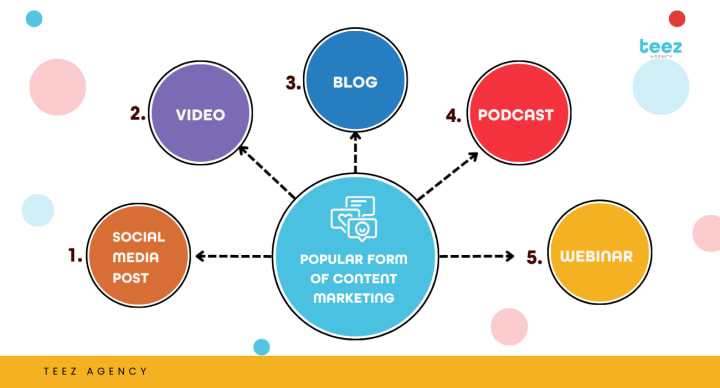
Content Creation: Beyond your books, create content that adds value to your audience. This could be blog posts, articles, newsletters, or podcasts that discuss topics related to your books or writing process.
Reader Interaction: Actively engage with your readers through social media comments, emails, and even at public readings or signings. Building a relationship with your audience can turn casual readers into loyal fans.
4. Leverage Content Marketing
Blog: Regular blogging not only improves your website’s SEO but also helps establish you as an authority in your genre. Share insights into your writing process, the challenges you face, and industry trends.
Guest Posts: Writing articles for other reputable blogs or websites can increase your visibility and establish your credibility in the literary community.
5. Networking and Collaborations
Industry Networking: Connect with other authors, publishers, and industry professionals at events, through social media, or via professional groups. These relationships can lead to collaborations, endorsements, or opportunities to expand your reach.
Collaborations: Partner with other authors for webinars, podcasts, or joint giveaways. Collaborations can introduce you to new audiences and add diversity to your brand.
6. Consistent Visual Branding
Logo and Design Elements: Develop a unique logo and consistent design elements that can be used across your website, social media, and promotional materials. This visual consistency helps in making your brand recognizable.
Book Covers: Ensure your book covers have a consistent quality and style that aligns with your brand. Covers are often the first thing a potential reader will notice.

7. Monitor and Adapt Your Brand Strategy
Feedback and Analytics: Use tools to monitor how your brand is performing. Tools like Google Analytics for your website and insights from social media platforms can provide valuable data on what’s working and what’s not.
Be Adaptable: Be prepared to tweak your strategies based on feedback and changing market trends. The ability to adapt is crucial in staying relevant.
8. Public Relations and Media Exposure
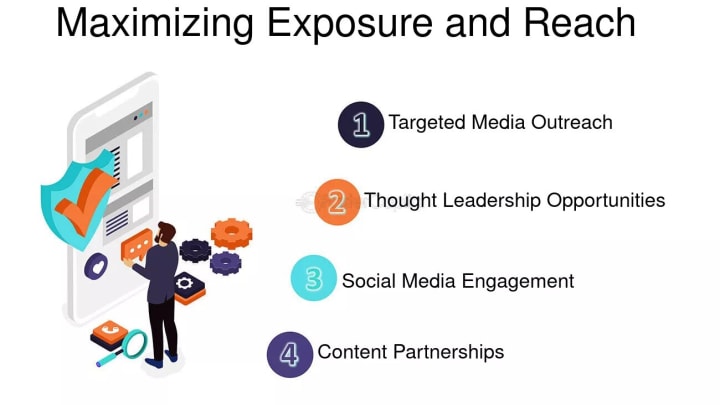
Press Releases: When you have a new book release or an event, craft a press release to send to media outlets. This can increase your visibility and reinforce your brand identity.
Interviews and Articles: Try to get featured in media interviews, whether in traditional media or online platforms. These opportunities are excellent for storytelling about your personal journey and your books.
9. Offer Value Beyond Books
Merchandising: Depending on your genre and audience, consider developing branded merchandise such as t-shirts, bookmarks, or art prints. This can enhance your brand experience and provide additional revenue streams.
Workshops and Speaking Engagements: Offering workshops or speaking at events can broaden your exposure and allow you to connect with your audience on a deeper level.
Conclusion
Building a successful author brand takes time and effort. It requires consistency, engagement, and a deep understanding of your audience. By implementing these strategies, you can create a strong, recognizable brand that resonates with readers and sets the foundation for a lasting career in writing.
About the Creator
Hannah miller
I’m an author dedicated to weaving engaging narratives across a variety of genres to resonate with readers.
Keep reading
More stories from Hannah miller and writers in BookClub and other communities.
How to Plan and Structure Your Book for Maximum Impact
When embarking on the journey of writing a book, the planning and structuring phase is as critical as the writing itself. This guide is designed to help you lay a solid foundation for your book, ensuring it makes a lasting impression and achieves its intended impact.
By Hannah millerabout a year ago in BookClub
My New Book is Finally Here
My poetry collection Beautiful and Brutal Things is done. It's actually done and finally published over 270 pages. Over a year of my life went into this book. More than a year, really. Long days at my computer, sometimes seven days a week because I couldn't stop even when I probably should have. Then two months of editing that felt harder than the writing itself. But it's finished, and I'm still standing, and the book is real.
By Tim Carmichaela day ago in BookClub
Hildegard von Bingen
Light, Intellect, and Authority in the Medieval World Hildegard von Bingen stands as one of the most extraordinary intellectual figures of the Middle Ages, a woman whose range of achievement resists narrow definition. Born in 1098 in the Rhineland region of what is now Germany, Hildegard entered a world shaped by monastic reform, theological debate, and emerging centers of learning. From this environment emerged a thinker whose influence reached far beyond the walls of any cloister. Across a long life, Hildegard produced visionary theology, original sacred music, works of natural history and medicine, and a vast body of correspondence that circulated among the most powerful religious and political leaders of the twelfth century. Recognition during life was not limited to local admiration but extended across the Holy Roman Empire and into the highest ranks of the medieval Church.
By Marcus Hedare2 days ago in BookClub




Comments
There are no comments for this story
Be the first to respond and start the conversation.