
How to Plan and Structure Your Book for Maximum Impact
Crafting Your Narrative: Strategic Steps to Engage and Influence Readers


When embarking on the journey of writing a book, the planning and structuring phase is as critical as the writing itself. This guide is designed to help you lay a solid foundation for your book, ensuring it makes a lasting impression and achieves its intended impact.
1. Define Your Core Message
Before you start plotting chapters or drafting content, clarify the core message of your book. What central idea or message do you want your readers to take away? Whether it’s a novel, a self-help book, or a historical account, the core message will guide the structure and development of your content.
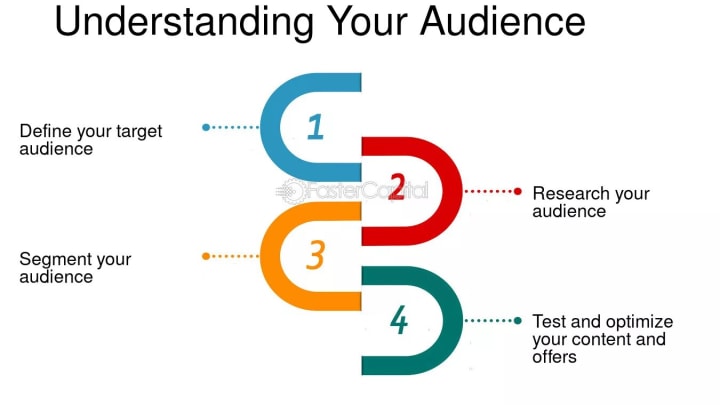
2. Understand Your Audience
Knowing who you are writing for is crucial. Different audiences have different expectations, and understanding these can help tailor your book’s tone, complexity, and style. For instance, a technical book aimed at professionals will differ significantly from one intended for casual readers interested in the same field.
3. Choose the Right Structure
The structure of your book should align with its goals and audience. Consider the following structures:
Chronological: Suitable for narratives or historical accounts.
Thematic: Works well for argument-driven texts like non-fiction or self-help books.
Modular: Best for textbooks or reference materials where each chapter can stand alone.
4. Create an Outline
An outline is a roadmap of your book. Begin with a broad outline detailing major chapters or sections. Then, break these down into subchapters or topics. This will not only help keep your writing focused but also ensure you cover all intended points.
5. Start Strong
Your book’s beginning should grab the reader's attention. For fiction, this might be an intriguing opening scene. For non-fiction, an interesting fact or a compelling question can draw readers in. The strength of your start can set the tone for the rest of the book.
6. Develop Your Chapters
Maintain a consistent flow throughout the book. Each chapter should logically follow from the one before it, especially in non-fiction. In fiction, ensure your narrative has rising action, a climax, and a resolution, even if the chapters are not strictly chronological.
7. Incorporate Effective Transitions
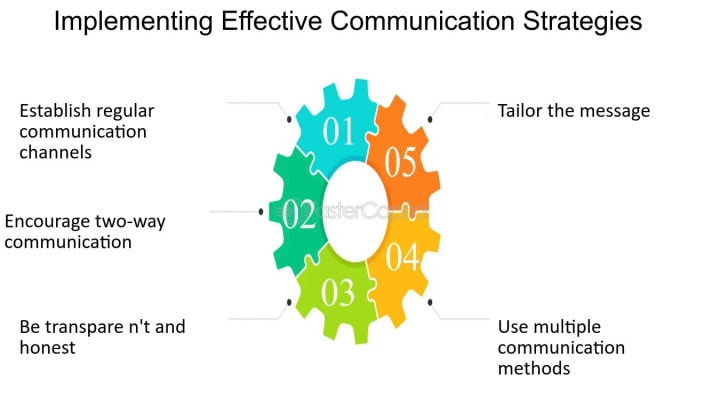
Smooth transitions between chapters are essential to keep the reader engaged and guide them through your book seamlessly. Each chapter should serve a purpose and lead to the next part of the book naturally.
8. Conclude with Purpose
Endings are as crucial as beginnings. Your book’s conclusion should tie back to your core message and leave the reader satisfied. Reflect on the journey your book has undertaken and ensure all loose ends are tied up.
9. Revise for Impact
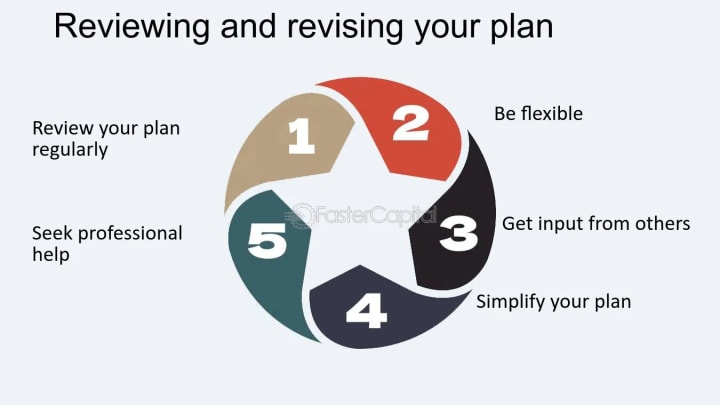
Once your first draft is complete, revise it to enhance its impact. This includes tightening your arguments in non-fiction, enhancing the narrative drive in fiction, and improving clarity and style across the board. Feedback from beta readers or a professional editor can be invaluable here.
10. Consider the Extras
Appendices, glossaries, and indexes can add professional polish to your book, making it more accessible and user-friendly. These are particularly important for academic or technical subjects but can be beneficial in a wide range of books.
Conclusion
Planning and structuring your book thoughtfully can significantly enhance its clarity, flow, and overall impact. By following these steps, you are more likely to produce a coherent, compelling book that resonates with your audience and stands the test of time.
This structured approach ensures your book not only reaches but also connects with your intended audience, providing them with a memorable and impactful reading experience.
About the Creator
Hannah miller
I’m an author dedicated to weaving engaging narratives across a variety of genres to resonate with readers.
Keep reading
More stories from Hannah miller and writers in BookClub and other communities.
Is Hybrid Publishing the Best of Both Worlds?
In the evolving landscape of publishing, authors are continually seeking the most effective and rewarding ways to get their books into the hands of readers. Hybrid publishing has emerged as a middle ground between the traditional publishing model and self-publishing, promising authors the best of both worlds. But does it truly deliver on that promise? This article delves into the nuances of hybrid publishing to uncover its advantages and challenges.
By Hannah millerabout a year ago in BookClub
7 Contemporary Romance Books Everyone Should Read In 2026
Love is timeless, but the stories we tell about it evolve with the world around us. Contemporary romance captures the pulse of modern relationships, blending passion, humor, and emotional depth with the realities of our everyday lives. Unlike classic romance, contemporary tales often tackle themes like career challenges, cultural differences, mental health, and personal growth—making them both relatable and inspiring. In a world where connection is increasingly digital, these books remind us of the beauty of vulnerability, the excitement of chemistry, and the transformative power of love.
By Diana Meresc6 days ago in BookClub




Comments
There are no comments for this story
Be the first to respond and start the conversation.