
Understanding and Improving Uneven Skin Texture
Uneven Skin Texture
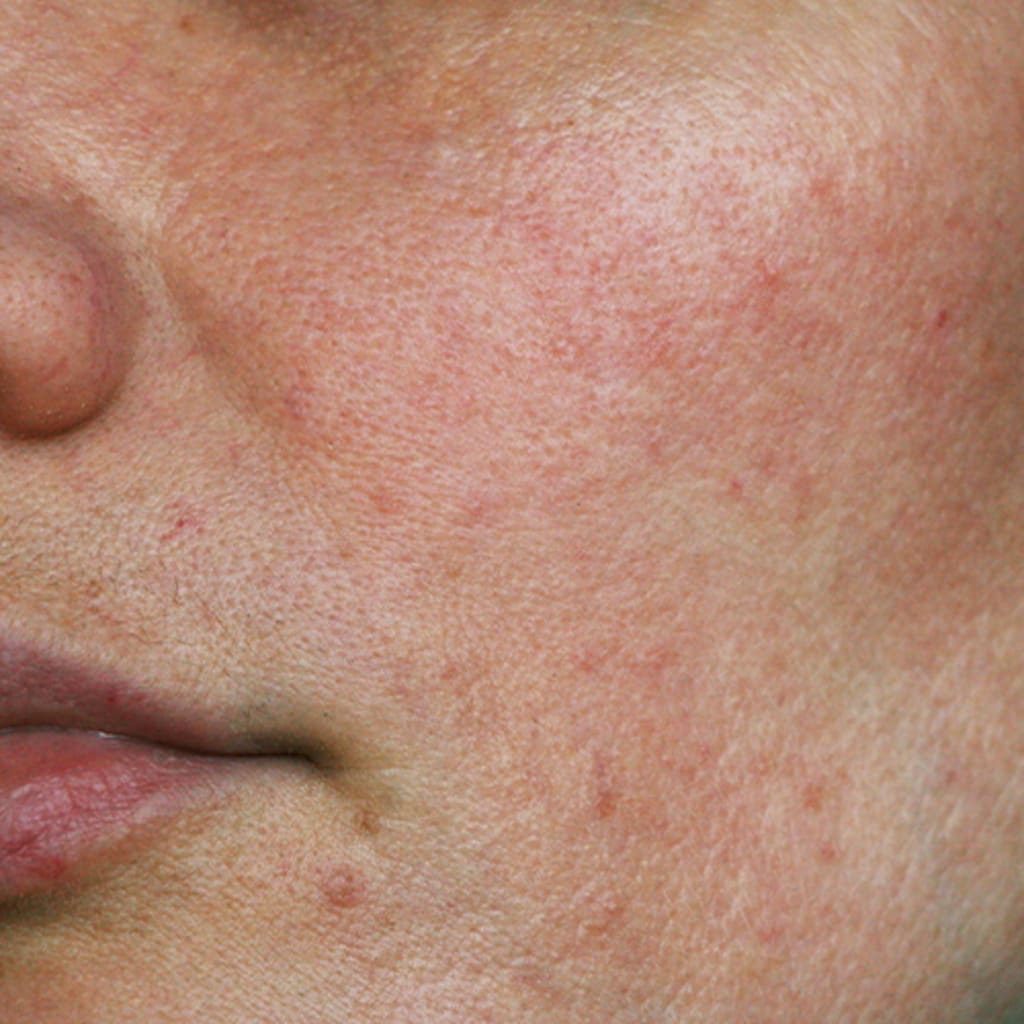
Uneven skin texture is a common concern that many people experience at some point in their lives. It can manifest as rough patches, enlarged pores, bumps, or even scars, leading to frustration and insecurity. This blog post explores the causes of uneven skin texture, discusses effective treatments and skincare routines, and offers tips to help individuals achieve smoother, more radiant skin.
What Is Uneven Skin Texture?
Uneven skin texture refers to variations in the surface of the skin, which can appear rough, bumpy, or unevenly pigmented. Unlike issues like acne or redness, uneven texture primarily affects how the skin feels and looks to the touch. It can affect anyone, regardless of age or skin type, and is often linked to a variety of internal and external factors.
Causes of Uneven Skin Texture
Understanding the root causes of uneven skin texture is essential for developing an effective treatment plan. Here are some common factors that contribute to this condition:
1. Acne Scarring
One of the most significant contributors to uneven skin texture is acne scarring. When acne lesions heal, they can leave behind marks that either raise or depress the skin surface. These scars can create a dimpled or bumpy appearance, often requiring targeted treatments to address.
2. Dryness and Dehydration
Dry skin can lead to rough patches and an uneven feel. When skin lacks moisture, it can become flaky, which not only affects texture but can also make other skin issues more pronounced. Dehydration can result from various factors, including environmental conditions, inadequate hydration, and harsh skincare products.
3. Sun Damage
Prolonged exposure to UV rays can damage the skin, leading to uneven pigmentation and texture. Sun damage can cause the skin to thicken in certain areas and create a rough, uneven appearance. It also contributes to the breakdown of collagen and elastin, essential proteins for maintaining skin structure.
4. Aging
As individuals age, their skin naturally loses collagen and elasticity, leading to a less smooth texture. Fine lines, wrinkles, and enlarged pores can all contribute to the feeling of unevenness. This process can be accelerated by lifestyle factors such as smoking, poor diet, and inadequate skincare.
5. Environmental Factors
Pollution, harsh weather conditions, and exposure to irritants can take a toll on the skin's texture. These elements can lead to inflammation, dryness, and other issues that disrupt the skin's natural barrier.
6. Skin Conditions
Certain skin conditions, such as keratosis pilaris, eczema, and rosacea, can also cause uneven texture. These conditions often require specialized treatment to manage symptoms and improve overall skin appearance.
Identifying Skin Type
Before diving into treatment options, it is crucial to identify one’s skin type. Understanding whether one has oily, dry, combination, or sensitive skin can help in choosing the right products and treatments for specific needs.
Oily Skin
Characterized by excess oil production, oily skin often leads to enlarged pores and a bumpy texture. While individuals with oily skin may be prone to acne, a good skincare routine can help manage oiliness and improve texture.
Dry Skin
If skin feels tight or looks flaky, it is likely dry. This type of skin can benefit from rich moisturizers and hydrating serums to restore moisture and improve texture.
Combination Skin
Combination skin features both oily and dry areas, which can lead to uneven texture. A balanced skincare routine that addresses both concerns is essential for achieving smooth skin.
Sensitive Skin
Sensitive skin can react to products or environmental factors, leading to irritation and uneven texture. Gentle, hypoallergenic products are often best for this skin type.
Effective Treatments for Uneven Skin Texture
Once individuals understand the causes and their skin type, they can explore various treatments to improve uneven skin texture. Here are some effective options:
1. Exfoliation
Regular exfoliation is one of the most effective ways to improve skin texture. By removing dead skin cells, individuals can promote cell turnover and reveal smoother skin underneath. There are two main types of exfoliation:
Physical Exfoliation: This involves using scrubs or brushes to manually slough off dead skin cells. It is important to be cautious with physical exfoliants, as they can be harsh and may cause irritation if used too frequently.
Chemical Exfoliation: Chemical exfoliants, such as alpha hydroxy acids (AHAs) and beta hydroxy acids (BHAs), dissolve dead skin cells and improve texture more gently. AHAs, like glycolic acid, are water-soluble and work well for dry skin, while BHAs, like salicylic acid, are oil-soluble and great for oily or acne-prone skin.
2. Moisturizing
Hydration is crucial for maintaining healthy skin and improving texture. Individuals should look for moisturizers that contain ingredients like hyaluronic acid, glycerin, or ceramides, which help lock in moisture and support the skin barrier. Regularly moisturizing can prevent dryness and flakiness, leading to a smoother appearance.
3. Sunscreen
Daily sunscreen application is vital for protecting skin from sun damage, which can exacerbate uneven texture. Choosing a broad-spectrum SPF of 30 or higher is recommended, with reapplication throughout the day, especially if spending time outdoors.
4. Targeted Treatments
Incorporating serums or treatments with active ingredients can help address uneven texture. Some options include:
Retinoids: These vitamin A derivatives encourage cell turnover and improve the appearance of fine lines and uneven texture.
Vitamin C: Known for its brightening properties, vitamin C can also help even out skin tone and texture by promoting collagen production.
Niacinamide: This form of vitamin B3 can help reduce the appearance of enlarged pores and improve skin texture and tone.
5. Professional Treatments
If at-home treatments aren't yielding the desired results, individuals may consider professional options:
Chemical Peels: These treatments use acids to exfoliate the skin deeply, addressing uneven texture and pigmentation.
Microdermabrasion: A non-invasive procedure that gently exfoliates the top layer of skin, promoting smoother texture and brighter skin.
Microneedling: This treatment involves using tiny needles to create micro-injuries in the skin, stimulating collagen production and improving texture over time.
Laser Treatments: Various laser therapies can target uneven texture, scars, and pigmentation issues. Consulting a dermatologist can help determine the best option for specific skin concerns.
Building a Skincare Routine
Creating a consistent skincare routine is essential for managing uneven skin texture. Here’s a simple regimen to consider:
Morning Routine
- Cleanser: Use a gentle cleanser to remove impurities without stripping the skin.
- Exfoliant: If using a chemical exfoliant, apply it in the morning to help brighten the skin.
- Toner: A hydrating toner can prep the skin for the next steps.
- Serum: Apply a vitamin C serum for antioxidant protection and brightening.
- Moisturizer: Use a lightweight moisturizer to hydrate the skin.
- Sunscreen: Finish with broad-spectrum sunscreen to protect against UV damage.
Evening Routine
- Cleanser: Use a gentle cleanser to remove makeup and impurities.
- Exfoliant: Use a chemical exfoliant (2-3 times a week) to promote cell turnover.
- Toner: Apply a toner to balance the skin's pH.
- Serum: Use a retinoid serum to encourage cell renewal and improve texture.
- Moisturizer: Apply a richer moisturizer to nourish the skin overnight.
Lifestyle Tips for Healthy Skin
In addition to a solid skincare routine, individuals may consider adopting some healthy lifestyle habits:
Stay Hydrated: Drinking plenty of water throughout the day can help keep the skin hydrated from the inside out.
Eat a Balanced Diet: Incorporating fruits, vegetables, whole grains, and healthy fats provides the skin with the nutrients it needs to thrive.
Limit Stress: High-stress levels can lead to skin flare-ups and worsen uneven texture. Practicing stress-reducing activities like yoga, meditation, or exercise can be beneficial.
Get Enough Sleep: Aim for 7-9 hours of quality sleep each night to allow the skin to repair and regenerate.
Conclusion
Uneven skin texture can be frustrating, but with the right approach, individuals can achieve smoother, healthier skin. By understanding the causes, implementing effective treatments, and adopting a consistent skincare routine, significant strides can be made toward skin goals. Patience is key, as skin may take time to respond to efforts. For those unsure or experiencing persistent concerns, consulting a dermatologist for personalized guidance is always a good idea. Here’s to the journey toward radiant, even skin! 🌟
About the Creator
Keep reading
More stories from SKIN Clinics and writers in Blush and other communities.
Understanding Warts: Causes, Types, Treatments, and Prevention
Warts are a common skin condition that can affect people of all ages. Despite being benign growths, they can often cause discomfort, embarrassment, and concern. In this blog post, we will delve into what warts are, the different types, their causes, available treatment options, and tips for prevention.
By SKIN Clinicsabout a year ago in Blush
Hand-Tied vs. Machine Wefts: The Ultimate Guide to Choosing Your Perfect Extensions
In the world of professional hair extensions, "wefts" are the gold standard for adding significant length and volume. However, the choice between Hand-Tied Wefts and Machine Wefts often leaves clients—and even some stylists—uncertain.
By Emma Smith3 days ago in Blush
The Modern Guide to Smooth, Healthy, and Confident Hair Care
Hair has always been more than just a physical feature. Across cultures and generations, it represents beauty, confidence, and personal identity. Whether long or short, natural or styled, hair plays a powerful role in how people express themselves. In recent years, advancements in beauty and grooming have transformed how individuals manage unwanted hair, especially with options like Laser Hair Removal in Islamabad, which reflects the growing demand for modern, effective solutions.
By Saad Imtiaz4 days ago in Blush


Comments
There are no comments for this story
Be the first to respond and start the conversation.