
Understanding Warts: Causes, Types, Treatments, and Prevention
Warts
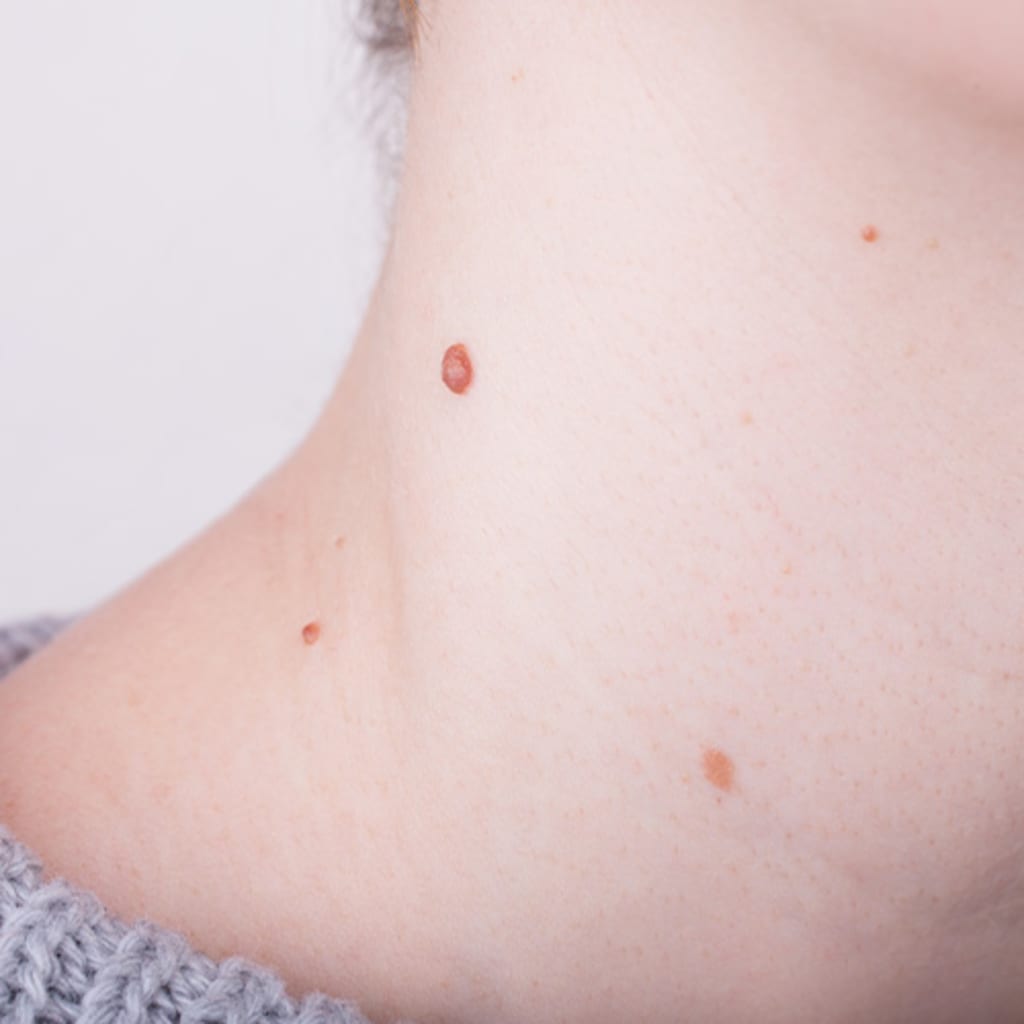
Warts are a common skin condition that can affect people of all ages. Despite being benign growths, they can often cause discomfort, embarrassment, and concern. In this blog post, we will delve into what warts are, the different types, their causes, available treatment options, and tips for prevention.
What Are Warts?
Warts are small, rough growths that can occur on various parts of the body. They are caused by the human papillomavirus (HPV), which infects the top layer of skin. The virus prompts the skin cells to multiply rapidly, resulting in the characteristic growths we recognize as warts. While most warts are harmless, they can sometimes be a source of discomfort or cosmetic concern.
The Different Types of Warts
Warts come in several varieties, each with distinct characteristics and common locations on the body. Here are the most common types:
1. Common Warts
Common warts are typically found on the hands and fingers. They are rough, raised, and may have a grayish or brownish color. Common warts often appear as small, cauliflower-like growths and can be spread through direct contact with infected skin.
2. Plantar Warts
Plantar warts develop on the soles of the feet and can be particularly painful, especially when walking or standing. They are often flat due to the pressure of walking and may have a small black dot in the center, which is a blood vessel. The pain from plantar warts is a result of their location and the pressure applied to them.
3. Flat Warts
Flat warts are smaller and smoother than other types, often appearing in clusters. They are typically found on the face, neck, or legs and are more common in children. Flat warts can be a source of frustration due to their appearance and tendency to spread.
4. Genital Warts
Genital warts are a sexually transmitted form of HPV. They appear in the genital area and can be raised or flat. Unlike other warts, genital warts can be linked to more serious health issues, including certain types of cancer. It's crucial for individuals experiencing these symptoms to seek medical advice.
5. Filiform Warts
These warts are thread-like and can appear around the eyes, mouth, and nose. They often resemble tiny, elongated stalks and can be bothersome due to their location.
Causes of Warts
Warts are caused by the human papillomavirus (HPV), which has more than 100 different types. The virus is highly contagious and can be transmitted through:
Direct Skin Contact: Touching a wart can spread the virus to another area of the body or to someone else.
Shared Surfaces: Walking barefoot on damp surfaces, like public pools or locker rooms, can increase the risk of contracting plantar warts.
Cuts and Scrapes: HPV can enter the body through small cuts or abrasions in the skin.
Risk Factors
While anyone can develop warts, certain factors may increase the likelihood, including:
Age: Children and teenagers are more prone to warts.
Weakened Immune System: Individuals with weakened immune systems are at higher risk.
Personal Habits: Biting nails or picking at the skin can lead to the spread of warts.
Symptoms of Warts
Warts typically present as small, raised bumps on the skin. They may be rough or smooth, depending on the type. Common symptoms include:
- A raised, rough surface
- Discoloration (gray, brown, or flesh-toned)
- Black dots in the center (especially in plantar warts)
- Pain or tenderness (particularly for plantar warts)
Treatment Options
While warts are generally harmless, many people seek treatment for cosmetic reasons or discomfort. Treatment options vary based on the type and location of the wart, as well as individual preferences. Here are some common methods:
1. Over-the-Counter Treatments
Several topical treatments are available without a prescription. These often contain salicylic acid, which helps to remove the wart by gradually dissolving the layers of skin. Regular application is key, and results may take several weeks.
2. Cryotherapy
Cryotherapy involves freezing the wart using liquid nitrogen. This treatment causes the wart to blister and eventually fall off. It is often performed in a healthcare setting and may require multiple sessions.
3. Laser Therapy
For stubborn warts that do not respond to other treatments, laser therapy may be an option. This method uses focused light to destroy wart tissue. It is effective but may require a recovery period.
4. Electrosurgery
This technique uses a high-frequency electrical current to burn off the wart. Electrosurgery is typically reserved for larger or more persistent warts.
5. Surgical Removal
In some cases, a healthcare provider may recommend surgical excision, where the wart is cut out of the skin. This option is usually considered when other treatments have failed.
6. Prescription Medications
For severe cases, dermatologists may prescribe stronger medications, including immunotherapy drugs that stimulate the immune system to fight the HPV.
Home Remedies
Some individuals prefer natural remedies for wart treatment. While the effectiveness of these remedies varies, some popular options include:
Duct Tape: Covering the wart with duct tape for several days may help remove it.
Apple Cider Vinegar: Applying diluted apple cider vinegar to the wart may have a drying effect.
Tea Tree Oil: Known for its antiviral properties, tea tree oil can be applied directly to the wart.
It's important to note that while these remedies are popular, they are not scientifically proven to be effective.
Prevention Tips
Preventing warts involves reducing the risk of HPV transmission. Here are some effective strategies:
Avoid Direct Contact: Do not touch someone else's warts, and avoid touching your own if you have them.
Practice Good Hygiene: Wash hands regularly and keep skin clean and dry.
Use Footwear in Public Spaces: Wearing flip-flops or water shoes in communal areas can help prevent plantar warts.
Avoid Sharing Personal Items: Do not share towels, razors, or other personal items that may come into contact with skin.
Strengthen the Immune System: A healthy diet, regular exercise, and adequate sleep can help maintain a strong immune system.
When to See a Doctor
While most warts are harmless, individuals should seek medical advice if:
- A wart changes in appearance or grows rapidly.
- The wart causes significant pain or discomfort.
- It appears in the genital area.
- There are multiple warts that are spreading.
Conclusion
Warts, while common and typically harmless, can be a source of frustration for many individuals. Understanding the different types, causes, and treatment options can empower people to manage this condition effectively. Whether through over-the-counter treatments, professional procedures, or home remedies, there are various approaches to addressing warts.
Prevention is equally important; practicing good hygiene and being mindful of skin contact can significantly reduce the risk of developing warts. If warts become a concern, consulting a healthcare professional is the best course of action. With the right knowledge and resources, managing warts can be straightforward, allowing individuals to focus on their overall health and well-being.
About the Creator
Keep reading
More stories from SKIN Clinics and writers in Blush and other communities.
Understanding Skin Moles: What You Need to Know
Skin moles, medically known as nevi, are a common occurrence for many people. These small growths can appear anywhere on the body and come in various colors, shapes, and sizes. While most moles are benign and harmless, it's essential to understand their characteristics, monitor any changes, and know when to seek professional advice. In this comprehensive guide, we'll explore what moles are, their types, the importance of monitoring them, and tips for maintaining healthy skin.
By SKIN Clinicsabout a year ago in Blush
The Story of Tyler and Charlie
JOHN BROWN V. HITLER In a world often divided by prejudice and misunderstanding, the meeting of two seemingly opposing figures, Tyler and Charlie, became a pivotal moment in their lives. Tyler, known for his compassionate heart, found himself in a position that challenged his beliefs and values. Charlie, who had lived a life filled with controversy and conflict, represented a past that many wished to forget. Yet, in this extraordinary encounter, Tyler saw an opportunity for redemption and forgiveness that could transcend their differences.
By Organic Products 5 days ago in Blush


Comments (1)
I found the explanation of HPV and its role in wart formation particularly enlightening. It’s crucial to spread awareness about this virus and how it can affect different individuals. Additionally, the treatment options you outlined offer practical solutions for those dealing with warts, which can often feel overwhelming.