
Harry Styles’ 2026 Tour and the Future of Intimacy in Pop Stardom
As Harry Styles redefines the modern concert experience, his approach reveals a deeper shift in how pop culture, technology, and fan identity are converging in real time.

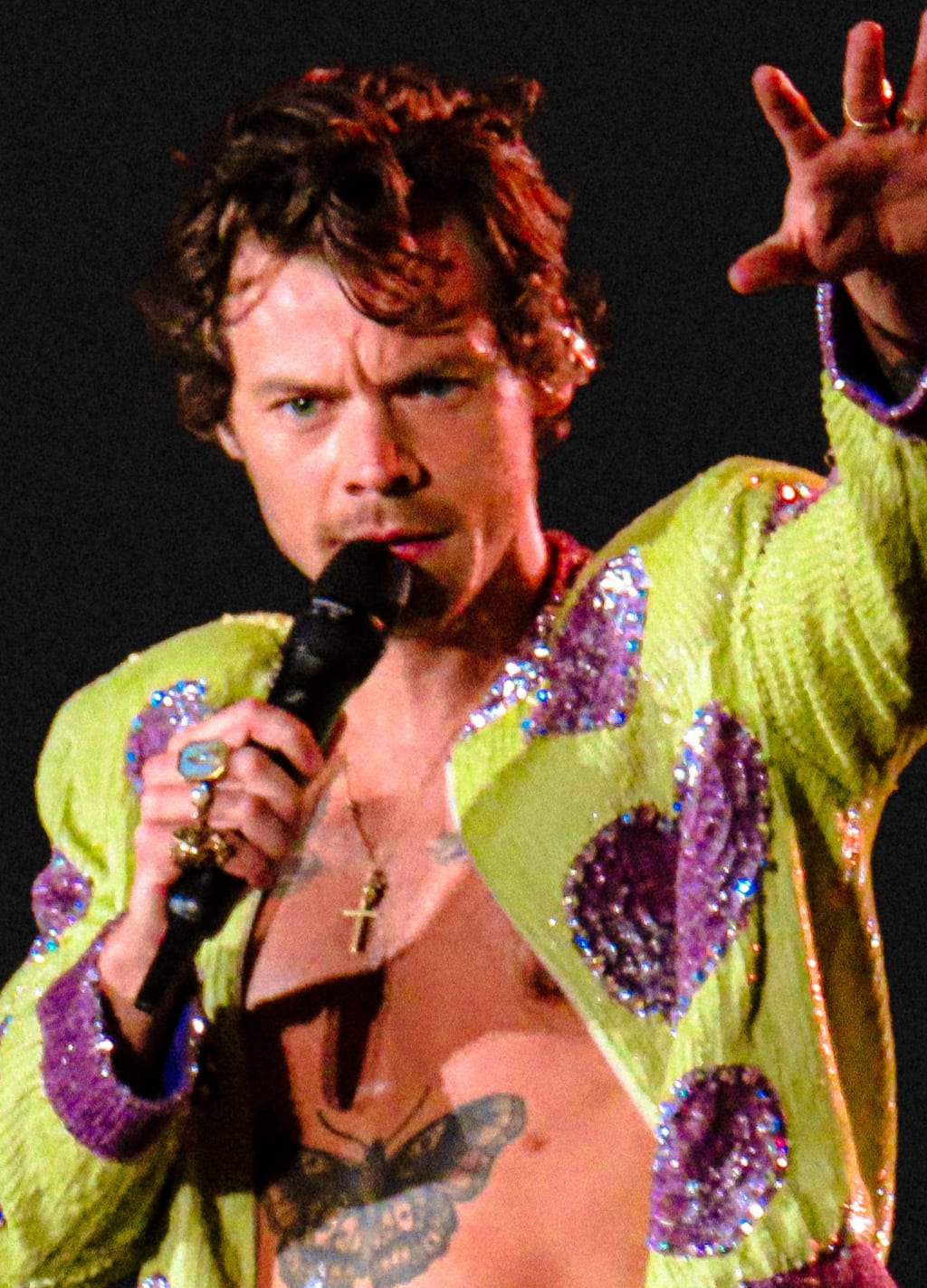
Over the past decade, the architecture of pop superstardom has been quietly rewired. Few artists illustrate this transformation as clearly as Harry Styles, whose 2026 world tour feels less like a nostalgic retread of pop’s golden eras and more like a prototype for emotionally intelligent entertainment. The stadium show, long emblematic of distance between star and fan, has evolved—under Styles’ hand—into an ecosystem designed for connection, community, and curated authenticity.
We can see this through the staging itself. Arena shows were once sensory overloads of spectacle and scale, but the 2026 tour feels engineered around intimacy at scale. The light design alternates between communal warmth and minimalist focus, creating a space where fans don’t just watch—they participate. Styles’ performances balance theatricality with the looseness of live improvisation, speaking to a generation that values spontaneity and sincerity over precision. That recalibration reveals something deeper than aesthetic preference; it signals a new social contract between artist and audience.
The shift isn’t exclusive to Styles, but he’s perfected its mechanics. His tour strategy capitalizes on the modern fan’s desire to broadcast belonging. Concerts have increasingly become social proof—content engines for personal identity. To attend a Harry Styles show now is to engage in participatory branding: one’s outfit, video angle, and caption become part of the performance. The line between audience and amplification blurs. In this sense, the 2026 tour functions as both a cultural event and a distributed media platform, with each fan a micro-influencer extending the artist’s reach through lived experience rather than traditional marketing.
That fusion of cultural participation and digital citizenship is why Styles’ tour carries sociotechnological weight. Music consumption is no longer passive—it’s social capital. Platforms like TikTok and Instagram have already redefined what it means to “fandom,” but live performance has lagged until artists like Styles reengineered its purpose. By turning the concert into an always-on content node, he’s responding to a behavioral truth of the 2020s: authenticity is algorithmic. The most successful cultural figures now build trust and relevance through perceived transparency, even when the presentation is calibrated.
At a macro level, the economics of this shift are equally telling. Where touring once functioned as a revenue generator following album cycles, today it’s the nucleus of the business. Styles’ 2026 tour demonstrates how artists convert presence into profit. Merchandise, film recordings, limited digital drops, and even brand collaborations orbit the live moment. More artists are adapting similar blueprints—Taylor Swift’s cinematic documentation, Beyoncé’s visual-album engineering—each demonstrating how live moments anchor long-tail media ecosystems. Styles’ operation reflects that model but updated for an audience that self-documents the experience in real time.
This speaks to a greater pattern in entertainment economics: the monetization of proximity. In the streaming era, music’s abundance devalued product ownership but amplified the worth of personal connection. Fans no longer want exclusive access to sound—they want participatory intimacy. Artists who can scale emotional availability without fracturing authenticity are now the most bankable. Styles, who has cultivated a brand of fluid masculinity and comfort-driven inclusivity, translates those values into performance architecture. The tour is not just a sequence of shows; it’s a mobile community ritual.
That ritual nature matters for another reason. Post-pandemic audiences crave collective emotion after years of mediated distance. Styles’ tour operates almost like a cultural wellness exercise: safe spaces disguised as spectacles. This emerging intersection of pop, mental health, and belonging could define the next phase of live entertainment. As platforms saturate and AI-generated music accelerates, the live show may become the last frontier of irreplaceable humanity. Artists like Styles are already designing for that future, blending sensory precision with emotional transparency to make presence itself the premium.
The wider implication is that artistry in the mid-2020s is no longer just about creation—it’s about curation of context. Styles understands that music alone isn’t what converts fandom; it’s the way it’s embodied, shared, and reflected. His 2026 tour underscores a new economic and cultural model for global entertainment: where intimacy, even when choreographed, becomes the most valuable asset in an attention economy built on connection. Pop’s next great leap isn’t louder or larger. It’s closer.
About the Creator
Trend Vantage
Covering the latest trends across business, tech, and culture. From finance to futuristic innovations, delivering insights that keep you ahead of the curve. Stay tuned for what’s next!
Keep reading
More stories from Trend Vantage and writers in Beat and other communities.
What the 2026 Oscar Nominations Reveal About Hollywood’s New Priorities
The 2026 Oscar nominations mark not just an awards season milestone but a cultural checkpoint for how Hollywood now defines value, vision, and visibility. The lineup this year feels less like an echo of past taste and more like a reflection of systemic adaptation — one shaped by algorithmic feedback loops, globalized storytelling, and an audience that’s fragmented yet fervently vocal.
By Trend Vantageabout 15 hours ago in Beat
EXCLUSIVE: Ludacris Not Playing MAGA’s “Rock The Country” Concert
UPDATE: Ludacris is going to be blowing down the gas, allegedly, while performers like Kid Rock will. The decision came from his manager Chaka Zulu. Either it was a misprint or some kind change of mind, the reality is that the ultra-right wing gatherings will not see Mr. Christopher “Ludacris” Bridges.
By Skyler Saunders6 days ago in Beat


Comments
There are no comments for this story
Be the first to respond and start the conversation.