
What the 2026 Oscar Nominations Reveal About Hollywood’s New Priorities
Behind the industry’s biggest night lies a reshuffling of creative power — from studio dominance to algorithmic influence, and from old prestige to new authenticity.


The 2026 Oscar nominations mark not just an awards season milestone but a cultural checkpoint for how Hollywood now defines value, vision, and visibility. The lineup this year feels less like an echo of past taste and more like a reflection of systemic adaptation — one shaped by algorithmic feedback loops, globalized storytelling, and an audience that’s fragmented yet fervently vocal.
The Academy has always mirrored the film industry’s anxieties and aspirations. In 2026, its mirror reflects something more complex: the collision of cinematic craft with data-driven distribution. Many of this year’s most nominated films — including the hybrid productions backed by major streaming platforms and tech-funded studios — weren’t born from nostalgia or auteur-driven passion alone. They were tested in the quiet laboratory of audience analytics. The result is a set of films that artfully balance artistic risk with algorithmic assurance, finding narrative confidence in the patterns of online engagement.
The critical shift here isn’t just aesthetic. It’s structural. The production ecosystem that fuels Oscar contenders has reorganized itself around real-time consumer feedback. The road to Best Picture now often runs through social resonance — the capacity of a film to sustain cultural conversation across platforms. Where theatrical prestige once conferred legitimacy, networked influence now does. This doesn’t necessarily mean the death of cinema as we knew it, but it does mean that the “cinema of consensus” has replaced the “cinema of conviction.” Films win not because they shout the loudest, but because they circulate the longest.
This trend extends beyond streaming’s dominance. What I see emerging is a recalibration of what prestige storytelling even looks like. In contrast to the stately historical dramas or male-driven biopics of previous decades, this year’s leading nominees are intimate, ethnically diverse, and digitally literate. They understand attention as both form and theme. Directors treat identity and modernity as parallel subjects, using hybrid genres and nonlinear storytelling to match the texture of contemporary life. Where the 2010s rewarded moral clarity, 2026 rewards emotional granularity. The Academy is signaling to a new creative class that ambiguity sells — not in box-office receipts, but in cultural shelf life.
This evolution also speaks to a broader decentralization of Hollywood power. Regional film industries — from Seoul to Lagos to São Paulo — have become integral to Oscar-season marketing campaigns. These aren’t just foreign-language contenders anymore; they’re integral pillars of global cinematic influence. The 2026 nominations reflect a world where distribution pipelines no longer privilege Los Angeles as the creative capital, only as one node in a much larger cultural network.
AI’s quiet fingerprint on this year’s nominations can’t be ignored either. Several highly recognized films used generative tools not for spectacle, but for narrative enrichment — as adaptive co-editors, concept designers, or even emotion calibrators. It’s a leap toward a collaborative model of filmmaking where creativity is defined less by control and more by orchestration. The Academy’s endorsement of these works implies not just tolerance for AI involvement but an acceptance that the creative process has permanently evolved. The philosophical question — what constitutes authenticity when algorithms are part of the ensemble — will only grow louder from here.
Viewed through an economic lens, this shift also redefines how film value is capitalized. Awards-season prestige now translates directly into extended digital monetization cycles: streaming boosts, global licensing, and micro-distribution on regional apps. The Oscars, once the endpoint of a studio’s release strategy, have become the midpoint of its attention strategy. The long tail of cultural afterlife — memes, analysis videos, even fan-generated art — drives more ROI than traditional box-office returns ever did.
What connects all of this is a quiet but profound change in audience psychology. Moviegoers, critics, and creators now cohabitate within the same digital ecosystems, making the Oscars less about expert curation and more about collective calibration. The line between influence and merit has never been thinner, nor more symbiotic. I think Hollywood’s biggest creative opportunity now lies not in escaping that feedback loop, but in embracing it with self-awareness — crafting art that speaks to the algorithm without surrendering to it.
The 2026 nominations, then, don’t just celebrate great films. They codify a new equilibrium between artistic vision and computational precision, between global democracy and local identity. If the Academy once symbolized timelessness, it now mirrors timeliness — a system adapting, in real time, to the culture it hopes to represent.
About the Creator
Trend Vantage
Covering the latest trends across business, tech, and culture. From finance to futuristic innovations, delivering insights that keep you ahead of the curve. Stay tuned for what’s next!
Keep reading
More stories from Trend Vantage and writers in Beat and other communities.
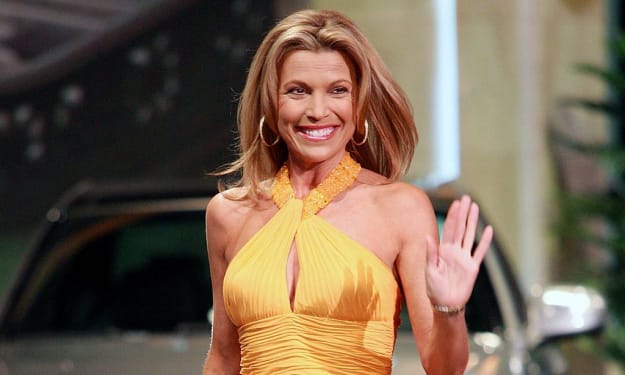
Vanna White and the Future of Familiar Faces in an AI-Driven Media Era
Vanna White’s career is one of television’s longest-standing constants—a visual anchor connecting generations of viewers. When she first began turning letters on Wheel of Fortune in 1982, American media was defined by scarcity: three major networks, linear schedules, and appointment viewing. Forty years later, she operates in a universe dominated by algorithmic recommendation engines, decentralized creators, and synthetic influencers—yet her appeal endures. That endurance isn’t nostalgia; it’s data on what humanity still wants from media as artificial intelligence begins to rewire its emotional interface.
By Trend Vantageabout 21 hours ago in Beat



Comments
There are no comments for this story
Be the first to respond and start the conversation.